

 1 week ago
3
1 week ago
3
ARTICLE AD BOX
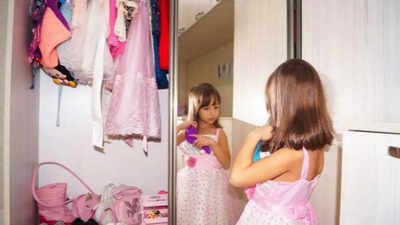
The world of children is always new and unpredictable. Sometimes it is too much for them to handle. In the midst of learning and change, children’s routines play an important role in giving them feelings of security.
Eating meals together, going to bed at the same time every day, and morning routines may be simple for grown-ups. However, they play an important role in giving children feelings of safety and security. By knowing what the day will bring, children feel more secure and confident about their environment. Kids’ routines also play an important role in strengthening emotional bonds within the family. As children get older, they learn to trust and feel secure about their environment. Children’s routines give them feelings of safety and securityChildren always feel more secure and comfortable about their environment if they know what is going to happen the next day. Knowing the routine of the day, such as waking up at the same time every day and eating meals together as a family, gives children feelings of safety and security. Their routines play an important role in giving them feelings of safety and security.
Kids always feel more secure and confident about their environment if they know the routine of the day.
This gives them the confidence to face the day because they know that some moments will always be the same.
Mindful parenting: Cultivating emotional intelligence in kids
Routines strengthen emotional bondsThese routines help to bring about special times for parents to be emotionally close to their children. Whether it is a simple morning conversation over breakfast, reading a story before bed, or strolling in the evenings, these routines help parents to be emotionally close to their children.
They start to associate these routines with comfort and affection. These small moments spent together help to bring about trust between parents and kids.
Builds independence and responsibilityConsistent routines also help children learn independence. When daily tasks become familiar, children begin to understand their role within the routine. For example, they may learn to brush their teeth before bed, pack their school bag, or tidy up toys after playtime.
Completing these tasks regularly helps them feel capable and responsible. This growing sense of independence boosts their confidence and allows them to gradually manage small responsibilities on their own.Helps manage transitions and changesChildren often find it challenging to adjust to changes such as starting school, moving to a new place, or welcoming a new sibling. In such situations, familiar routines can act as a comforting anchor.
Even when other aspects of life change, maintaining daily rituals like bedtime reading or family meals can help children feel grounded. These routines remind them that certain parts of their life remain stable, making transitions less stressful and easier to manage.Supports emotional and behavioural balanceChildren who are brought up under a routine tend to have better emotional stability and behavioural patterns. Daily routines help a child know what is expected of them. By understanding a sequence of activities that are to be performed during a day, a child is unlikely to get frustrated or confused. By experiencing life under a routine, a child is able to remain calm and stable emotionally.









 English (US) ·