

 7 hours ago
9
7 hours ago
9
ARTICLE AD BOX
The sun had barely risen over the Tasman Sea, nearly 12,000 kilometres away from Kolkata, when Finn Allen cracked the fastest hundred in T20 World Cup. As he scythed and muscled his way to the three-figure mark in 33 balls, his Wellington Firebirds coach Glenn Pocknail’s mind slipped back to the March of 2020. A time when the pandemic was about to rage and stop the world. “He hadn’t been playing or been selected for any domestic cricket team at the time. Then I saw him bat in a four-day match in March 2020 and immediately thought, “Wow, this guy can really play”,” he recollects to this paper.
Next winter, when life lurched back to normalcy, he had little hesitation to ring him up. “That winter I spoke with Finn and asked him to come and play for the Wellington Firebirds, the domestic team I was coaching. I knew we had an opening spot at the top of the order in T20 cricket and felt he would be perfect to fill that void. He was quite shocked and surprised when I mentioned it, but I also made sure to give him the support he had never really had before,” he recounts.
He was only 20, but had already made his first-class debut, albeit without prolific returns that was expected of someone that was setting school cricket on fire. It’s now frozen at 671 runs in 20 games, a century yet to be born. Young Allen thought too hard about the game. He had the strokes and technique, but he was still languishing. All he needed was a pat on the back, a voice of guidance. He found that in Pocknail. “What he really needed was an opportunity—someone to back him without the fear of being dropped or pushed aside after a few failures. We gave him that confidence and support, telling him he would play at the top of the order throughout the whole campaign because we believed he would come right in a positive, supportive environment,” he says.
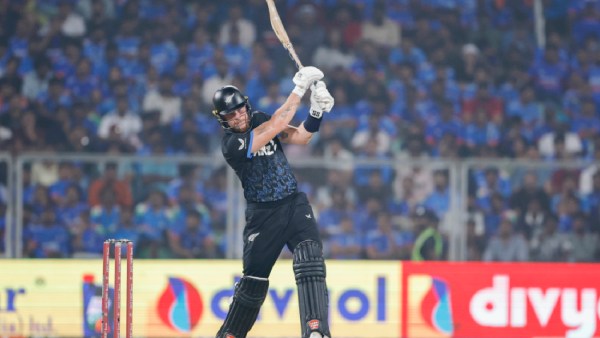 Finn Allen in action. (Surjeet Yadav / CREIMAS for BCCI)
Bolstered by the coach’s leap of faith, he was the tournament’s breakout star, peeling off 512 runs in 11 outings at an astonishing strike rate of 193.93 and hitting 25 sixes. In little time, he became a franchise favourite, having turned up for nine teams world over. He continued in the same vein, and now boasts the best hitting rate (176.58) of anyone who has faced more than 1000 balls in all T20s. Abhishek Sharma is third; Andre Russell stands fifth. This World Cup, too, he has the best strike rate (203.52). “He could always hit the ball a long way,” Pocknail says.
The emphasis under the coach, who also stood as New Zealand’s stand-in, was to declutter his mind. A lot of it was about developing a clear mindset and helping him believe he was the best batsman in domestic cricket. Confidence is incredibly important in cricket because it frees up your body and your game. Skill-wise it was quite simple—getting his balance right and focusing on setting up well so he could hit straight,” he says. A half of his 20 sixes—again, he is the chart-topper—were smeared down the ground.
His range of strokes were astounding. He is a savage cutter and puller, like the heyday West Indies cricketers without their whipped flourishes. Anything that is his range, he wields his muscle frictionlessly. He cuts an intimidating presence on the field. Tattooed biceps bulge from his short-sleeved shirt. One day, it could tear the sleeves. The strokes liberate his trapped power. He is not all brawn, though. His first four of the century was no more than a dink past slip. Or the scooped six off Lungi Ngidi, running rather than shuffling to the off-stump and gliding him past the wicket-keeper’s left. Whichever stroke he plays, he has an impeccable balance. He has a robust base and the hip-hand synergy, fundamental to those fast hands going through the ball.
He is always on a quest to improve himself, the coach says. “He’s also extremely focused on improving every time he plays. We also encouraged him to develop his wicketkeeping because we saw it as another strong string to his bow. That has helped him get opportunities with other franchise teams, either as a wicketkeeper or as a backup keeper,” he points out.
Story continues below this ad
With the microphone, he sheds all his savagery. His voice is soft and manners mild. He deflects the attention away from him. After his hundred, he credited fellow opener Tim Seifert for giving him time. “Tim started off really strongly. He looked to get on top of their bowlers early which then made it easy for me to settle into my innings. For me I just looked to play almost a supporting role to Tim,” he said.
His international career ran into turbulence again and he opted out of the national contract in 2024. But a year later, he recommitted and resurrected his international career. New Zealand would be thankful, and Allen would hope that his country will wake up to happy news on Monday.





 English (US) ·