

 1 hour ago
5
1 hour ago
5
ARTICLE AD BOX
4 min readChennaiMar 5, 2026 10:27 PM IST
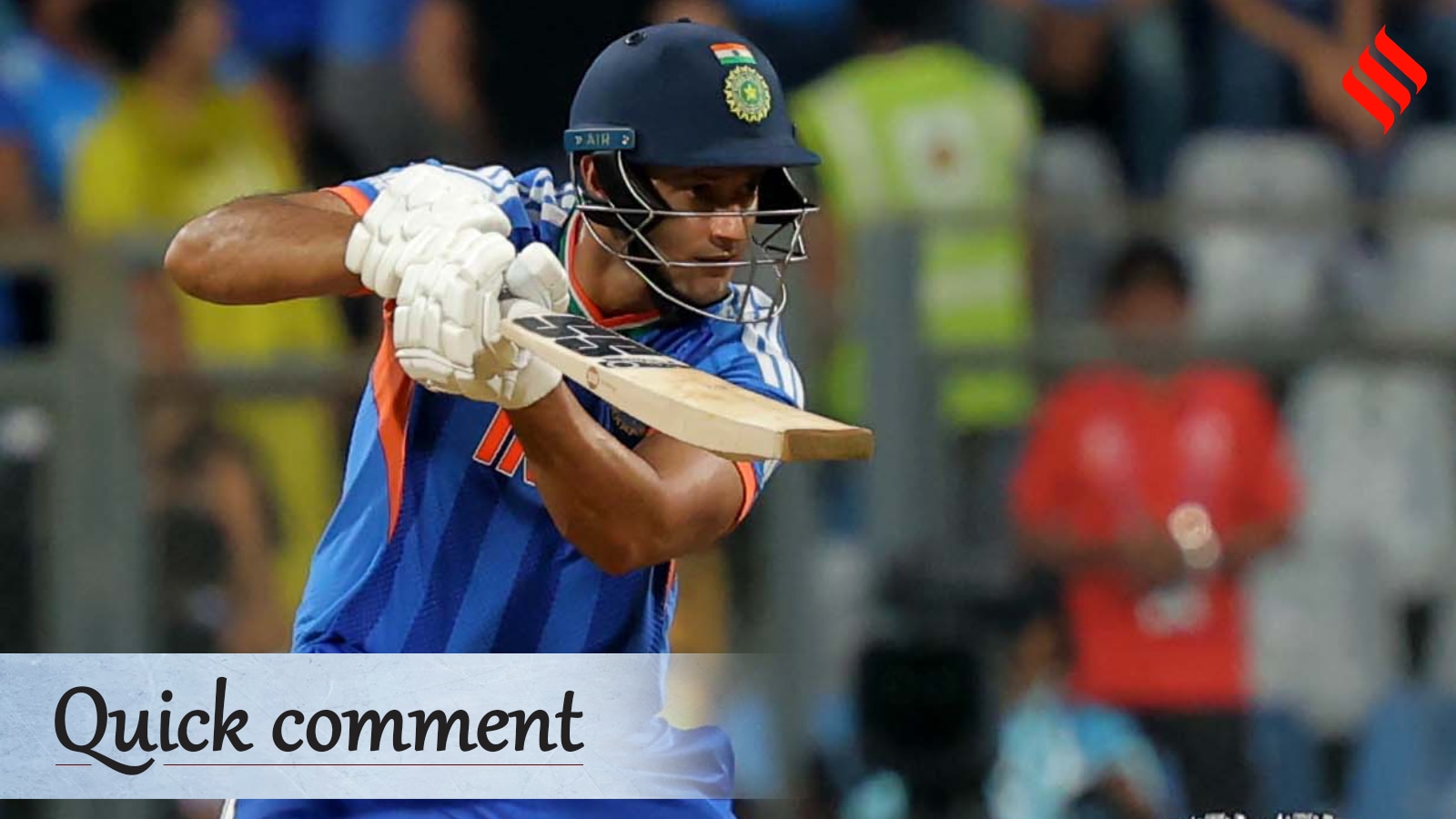 India's Shivam Dube plays a shot during the T20 World Cup cricket semi-final match between India and England at Mumbai's Wankhede Stadium.
(Express photo by Narendra Vaskar)
India's Shivam Dube plays a shot during the T20 World Cup cricket semi-final match between India and England at Mumbai's Wankhede Stadium.
(Express photo by Narendra Vaskar)
Left, right, left. On a night where India bludgeoned 253/7 with their muscle power being in the forefront, there was something else they had got spot on. Against an England team that is renowned for its match-ups, it was pertinent that India used their resources to neutralise whatever threat they threw at them. Of course, on paper India were definitely a stronger outfit, but at the Wankhede, where they were made to bat first, the onus was on the hosts to produce a total that would be beyond the reach of England.
While Sanju Samson ensured England bowlers were put to sword, India also showed their fluidity in the batting line-up, the sort of unpredictability that even Manchester City manager Pep Guardiola would approve of. Right through this T20 World Cup, India have tinkered with their batting line-up to arrest their top-order hiccups and to handle match-ups. On Thursday, they had to be imaginative and nothing underlined it more than the arrival of southpaw Shivam Dube at No.4 in the 10th over.
India vs England T20 World Cup – LIVE Cricket Score, Full Scorecard: Watch Here
Leg-spinner Adil Rashid had just sent back Ishan Kishan and instead of Suryakumar Yadav, it was Dube who walked in. The plan wasn’t hard to decode. In that middle-overs, Rashid was England’s only hope and there is none in world cricket who neutralises match-ups against spinners as much as Dube does. It is what he has made a living out of.
The arrival of Dube meant Samson didn’t need to take risk against Rashid, who took the ball away from him. He faced only nine deliveries off Rashid, scoring eight. But India’s run-rate never dipped thanks to their proactive decision to send Dube in. Having seen the back of Ishan with a delivery that was sent wide of off-stump, Rashid tried the same line with Dube, but the left-hander, with a big forward stride, long reach and incredible bat swing, was able to deposit those into the stands. The eight deliveries that Rashid delivered to Dube cost him 22 runs which included three sixes.
Dube’s takedown of Rashid had a dominoes effect. Harry Brook had no option but to bring in Jofra Archer in the middle-overs, which England seldom do. Samson hit two sixes in the next over and more importantly England were running out of options for the death overs. Once Samson fell England had to use Sam Curran, whose moon deliveries (the slower one) is usually reserved for the end overs. In the middle as Suryakumar walked in to replace Samson, which allowed India to keep left-hander Tilak Varma for the end. Pairing him alongside Dube wouldn’t have altered much. It was a night where they had to be dynamic and creative and when Suryakumar departed, it was Hardik Pandya who came in next.
This sort of fluidity when none of his strike bowlers had a good day made Brook scrambling for options. With match-ups being covered, India found at least a boundary every over with Dube playing a typically under-rated innings of 43 off 25 before passing on the baton to Tilak to do the finisher’s job. And what Tilak got was the pace of Archer to work around with. Fronting up to pace is Tilak’s favourite match-up and his entry point perfectly aligned with what India wanted. He would slam bang Archer for three sixes, the second one that was so deflating that the pacer looked resigned to his fate.
Story continues below this ad
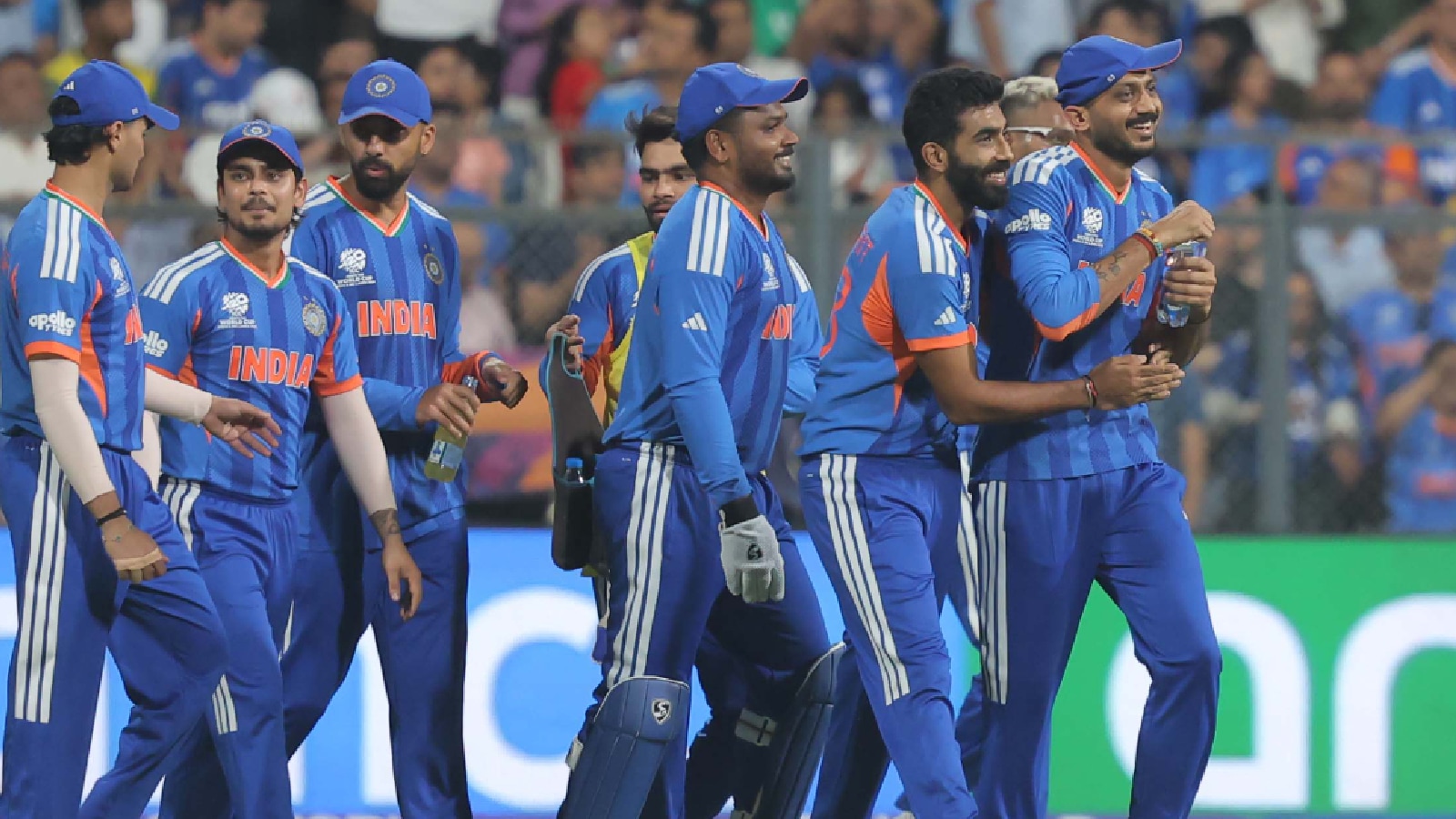
In the dug-out India’s think-tank were high-fiving each other.





 English (US) ·