

 2 days ago
9
2 days ago
9
ARTICLE AD BOX
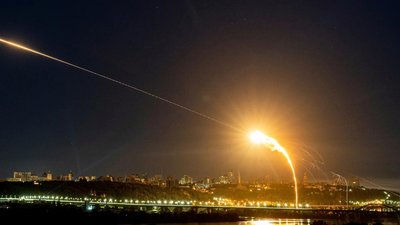
A steady stream of military research emerging from Iran’s defence institutions shows that Tehran has been closely analysing the war in Ukraine to refine its battlefield doctrine, with a particular focus on drones, artificial intelligence and modern combat tactics, according to a report by the Financial Times.Hossein Dadvand, a senior Iranian commander who heads a key combat training college near Tehran, is among those who have drawn heavily on the Ukraine conflict. In a paper published two years ago, he highlighted lessons ranging from the resilience of Ukraine’s defence production to the use of 3D printing for low-cost drone manufacturing. He urged Iran’s leadership to invest more in drones, adopt more mobile combat units and integrate artificial intelligence into weapons systems.An analysis of more than 300 articles published over the past five years in Iranian military journals indicates that such thinking is widespread within the country’s armed forces. The publications, affiliated with institutions linked to both the Islamic Revolutionary Guard Corps and the regular army, provide rare insight into internal debates on strategy, technology and vulnerabilities.The articles show Iran has closely tracked both Russian and Ukrainian battlefield performance, studying how Kyiv has adapted to a stronger adversary and how Moscow has deployed drone warfare.
Iranian analysts have paid particular attention to the growing role of unmanned systems and cyberwarfare, as well as gaps in forward planning.“The Russia-Ukraine war was one of the cases that we examined carefully,” Dadvand said in a recent interview, adding that “one of the most important points in that war was the widespread use of small drones and artificial intelligence.”Senior commanders have echoed similar concerns. In a 2023 paper, former army chiefs Kioumars Heydari and Abdolali Pourshasb warned about limited preparedness for “emerging threats” and called for faster recruitment of specialists, reforms in military exercises and greater investment in advanced technologies such as drones, lasers and space-based systems.Another influential figure, former air force chief Aziz Nasirzadeh, argued in a defence journal that Iran must rebuild its ageing fighter fleet while also incorporating suicide drones and AI-driven targeting. He also highlighted the need to upgrade ageing air force infrastructure.Analysts say such journals serve as a controlled platform for military learning and internal debate. “They are for military learning… and for floating ideas to see if there is a reaction,” said Nicole Grajewski, an Iran expert at Sciences Po in Paris.
-
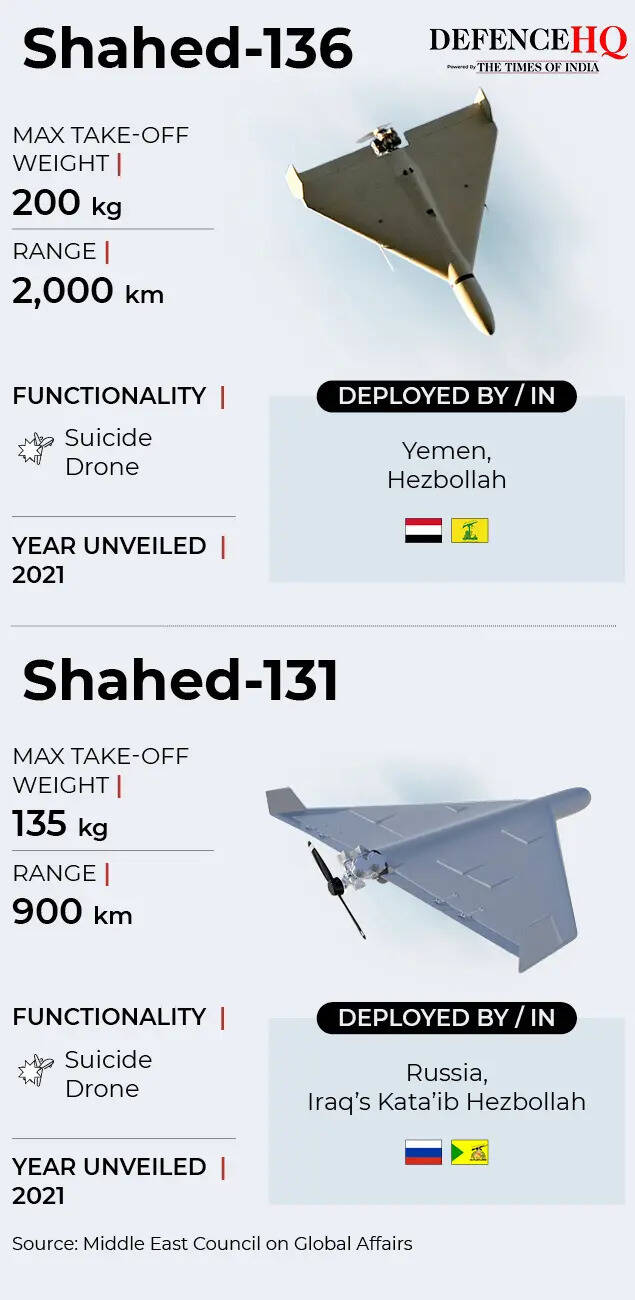
According to The Guardian, analysts say the lessons Iran is drawing from Ukraine are part of a broader and increasingly interconnected conflict landscape. Russia’s use of Iranian-made disposable and inexpensive Shahed drones in Ukraine since 2022 has provided Tehran with real-world feedback on performance, scale and effectiveness, which, during the weeks-long conflict involving Iran, the US and Israel, showed how such systems can test and strain even the most advance air defences through intensity and volume.
Reports also suggest Moscow has in turn shared intelligence and technical inputs. This two-way exchange has effectively turned the Ukraine war into a live testing ground for drone warfare, offering Iranian planners insights not just from observation but from the battlefield use of systems linked to its own defence ecosystem.The growing overlap between the two conflicts has also accelerated the spread of drone and counter-drone technologies across regions. Ukraine, having adapted rapidly under battlefield pressure, is now exporting expertise and systems to countries in the Middle East, underscoring how innovations emerging from the war are reshaping military thinking far beyond Europe.








 English (US) ·