

 1 hour ago
4
1 hour ago
4
ARTICLE AD BOX
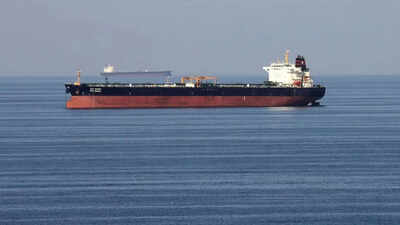
United States may take up to six months to clear naval mines positioned by Iran in the Strait of Hormuz, Pentagon reportedly told US Congress at a House Armed Services Committee briefing.A Washington Post, citing three official sources, reported that Tehran "deployed 20 or more mines" within the Strait of Hormuz. Senior defence official informed legislators that some of these explosives were "deployed remotely using GPS technology," a sophisticated method that makes them "harder for US forces to detect."The report said that the timeline triggered "frustration" among both Democratic and Republican lawmakers. The economic impact of the maritime standoff is already visible, with Brent crude futures crossing the USD 100 mark to trade at USD 101.76 per barrel. West Texas Intermediate futures were also recorded at USD 92.82.Mining activity reportedly began in March amid ongoing US and Israeli military operations. President Donald Trump warned Tehran of “consequences at a level never before seen” if it does not remove any ordnance that “may have been placed.”
Before the current escalation, the Strait of Hormuz handled around 20 per cent of global daily oil and liquefied natural gas supply. US Secretary of War Pete Hegseth said American forces were targeting suspected mine-laying vessels with “ruthless precision,” adding that the US “will not allow terrorists to hold the Strait of Hormuz hostage.”Iran’s Deputy Foreign Minister Majid Takht-Ravanchi has denied any involvement, while reports from The New York Times suggest the Iranian military “may itself be unable to locate all the mines” it originally deployed.That uncertainty is complicating clearance efforts, which are expected to involve helicopters, drones, and specialised divers. While earlier Defence Intelligence Agency assessments warned a disruption could last up to six months, Pentagon spokesman Parnell told CNN that a “six month closure of the Strait of Hormuz is an impossibility and completely unacceptable” to Hegseth.The Pentagon has disputed the reporting, calling the claims “inaccurate” and criticising the disclosure of classified briefing material.
A department statement said the publication of “these false claims” reflected a preference for “advancing an agenda than truth.”The maritime dispute remains a key flashpoint, with Iran linking reopening of the waterway to the lifting of the US naval blockade. Trump has maintained demands for Tehran to “fully reopen the strait” and abandon its nuclear programme as a condition for peace.Rising fuel costs and public discontent from the conflict continue to weigh on the US political landscape, affecting Trump’s approval ratings ahead of the midterm elections.









 English (US) ·