

 1 hour ago
4
1 hour ago
4
ARTICLE AD BOX
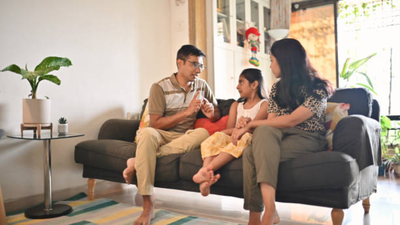
Some days are just bad days. Nothing big happens, but everything goes wrong. You get up late, the kid does not want to dress up, someone drops something, you cannot find something, work messages are coming in, the house is not tidy, and you already realize that the day is too long by ten in the morning.Parenting is extremely hard on such days. Not because children are doing something terrible, but because your mind is already full and one small thing feels like too much.You know those days when even normal talking feels like noise? When someone asking “Where is my bottle?” feels like a very big question? Those are the days parents usually lose patience.The problem is not the child on those days. The problem is that the parent is already mentally tired before the day even properly begins.So the real question is not how to control children on tough days.The real question is how parents control themselves on tough days.Because children are still learning how to behave. Adults are supposed to already know.One thing that helps, and this sounds very small, is learning to pause before reacting. Not a big dramatic pause. Just a few seconds. Most shouting happens immediately. Something falls, something breaks, something is forgotten, and the reaction comes instantly.
But if you just pause for a few seconds, many times you will realise the situation is not actually that serious.Another thing is lowering expectations on bad days. Most parents are guilty of making bad days worse, as they continue to hope that a day will go smoothly. Homework is to be done, room is to be clean, bag is to be packed and everything is to be on time. There are days when it is not a perfect day. Some days are survival days.
When the child ate and went to school and returned safe, and slept on time, that day is good enough.There is one more important fact parents should realize. Children don’t remember perfect days. They remember how you behaved on bad days. They remember if you shouted a lot, if you stayed calm, if you laughed it off, if you made the day feel scary or safe.Bad days are actually the days children learn the most about emotional behaviour.
They watch how you handle stress, how you talk when things go wrong, how you treat people when you are tired.So staying steady does not mean being calm like a saint. It just means not making a bad day worse by reacting to everything.Sometimes staying steady means saying, “Today I am very tired, we will do this tomorrow.”Sometimes staying steady means ignoring small mistakes.Sometimes staying steady means sitting quietly for ten minutes before talking.Sometimes staying steady means ordering food and not cooking.Sometimes staying steady means letting the house be messy for one day.Not every day has to be perfect to be a good parenting day.Some days just need to be peaceful.









 English (US) ·