

 1 hour ago
7
1 hour ago
7
ARTICLE AD BOX

There's no denying that with age human memory often fades away, and it is no less than a riddle for medical science to understand: Why does Alzheimer’s completely destroy one person’s memory while leaving another person totally sharp? It is a well-known fact that two people can have the exact same amount of physical disease damage in their brains, yet one will suffer from severe dementia while the other lives out their life with a perfectly clear mind.
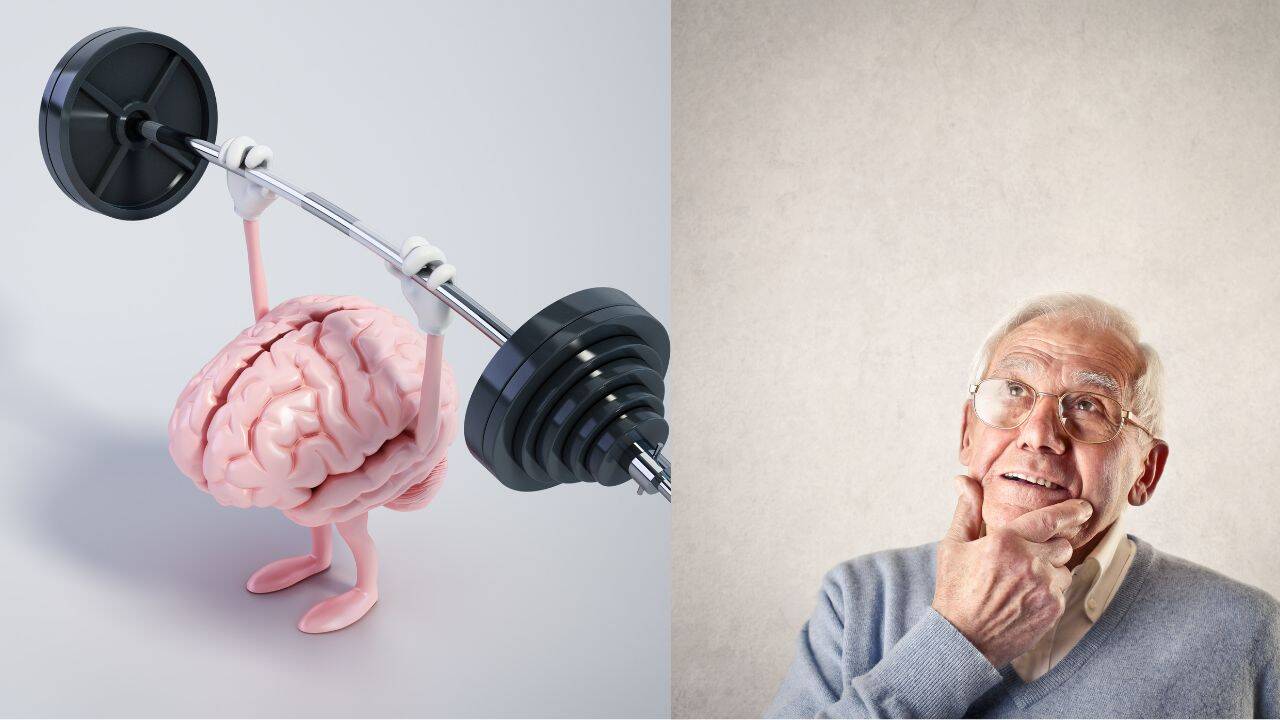
The studyAs per a recent study published in the digital journal Science Daily, it was mentioned that statistically, about 30 percent of older adults who have the physical signs of Alzheimer's never actually show a single symptom. Doctors call this "cognitive resilience"—the brain's mysterious ability to keep working normally even when it is actively under attack. A new study out of the Netherlands Institute for Neuroscience suggests the secret might come down to a very rare group of brain cells called immature neurons, and more importantly, how these specific cells handle stress.Tracking Down Rare Cells For years, scientists have argued over whether old brains can actually grow new cells to repair themselves. While animals do this easily, proving it happens in aging humans has been incredibly tough. To look for answers, a research team led by Evgenia Salta studied donated brain tissue from the Netherlands Brain Bank. They looked at three types of people: those who were healthy, those who died with Alzheimer's dementia, and those who had the physical damage of Alzheimer's but never lost their memory.
The team focused entirely on a tiny corner of the brain’s memory center. Because these young, immature cells are so incredibly rare in older adults, the team had to invent brand-new testing methods just to find them, zooming in on the exact spots where they were hiding.It is about how the cells actThe researchers did find the immature cells they were looking for, proving they can stick around even in brains over 80 years old.
However, the real surprise came when they compared the different brains. The people who resisted dementia didn’t actually have a huge surplus of these cells compared to the people who got sick. The real difference wasn't the number of cells, but how those cells behaved. In the brains of the people who stayed sharp, these rare cells seemed to switch on a survival program.
They adapted to handle the surrounding damage, while showing much lower signs of inflammation and cell death than the cells in the dementia group.Acting as "Fertilizer" Scientists used to think the brain grew these new cells simply to replace dead ones. Now, they think these cells are doing something much more supportive."They may act as a sort of fertilizer in a garden that has started falling apart," Salta explained.A New Way to LookBecause this study used donated tissue, the researchers couldn't watch these cells working in real-time, meaning their ideas are still strong hypotheses for now. Salta also pointed out that staying resilient against Alzheimer's is incredibly complicated, and there isn't just one single factor that explains it. Even so, this study represents a huge shift in how scientists approach the disease. For a long time, the main goal has been trying to stop Alzheimer's from destroying the brain.
Now, researchers are flipping the script and trying to figure out how some brains naturally fight back—a discovery that could eventually lead to entirely new ways to treat or prevent dementia.








 English (US) ·