

 42 minutes ago
2
42 minutes ago
2
ARTICLE AD BOX
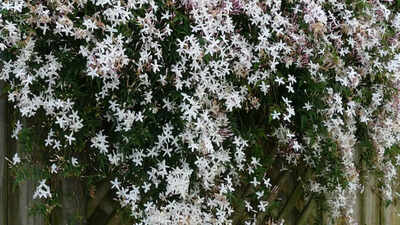
How to grow Jasmine at home
There is a reason jasmine remains one of the most beloved plants in Indian homes. Few fragrances capture an Indian summer evening quite like freshly blooming mogra drifting through a balcony after sunset.
The good news is that jasmine adapts remarkably well to balcony gardening, even in apartments, provided it gets the right balance of sunlight, watering, and airflow.The first step is choosing the right variety. For balconies in India, mogra (Arabian jasmine) is usually the easiest and most rewarding option because it flowers heavily in warm weather and handles container growing well. Juhi and bela are also excellent choices if you want a stronger climbing habit and dense fragrance.
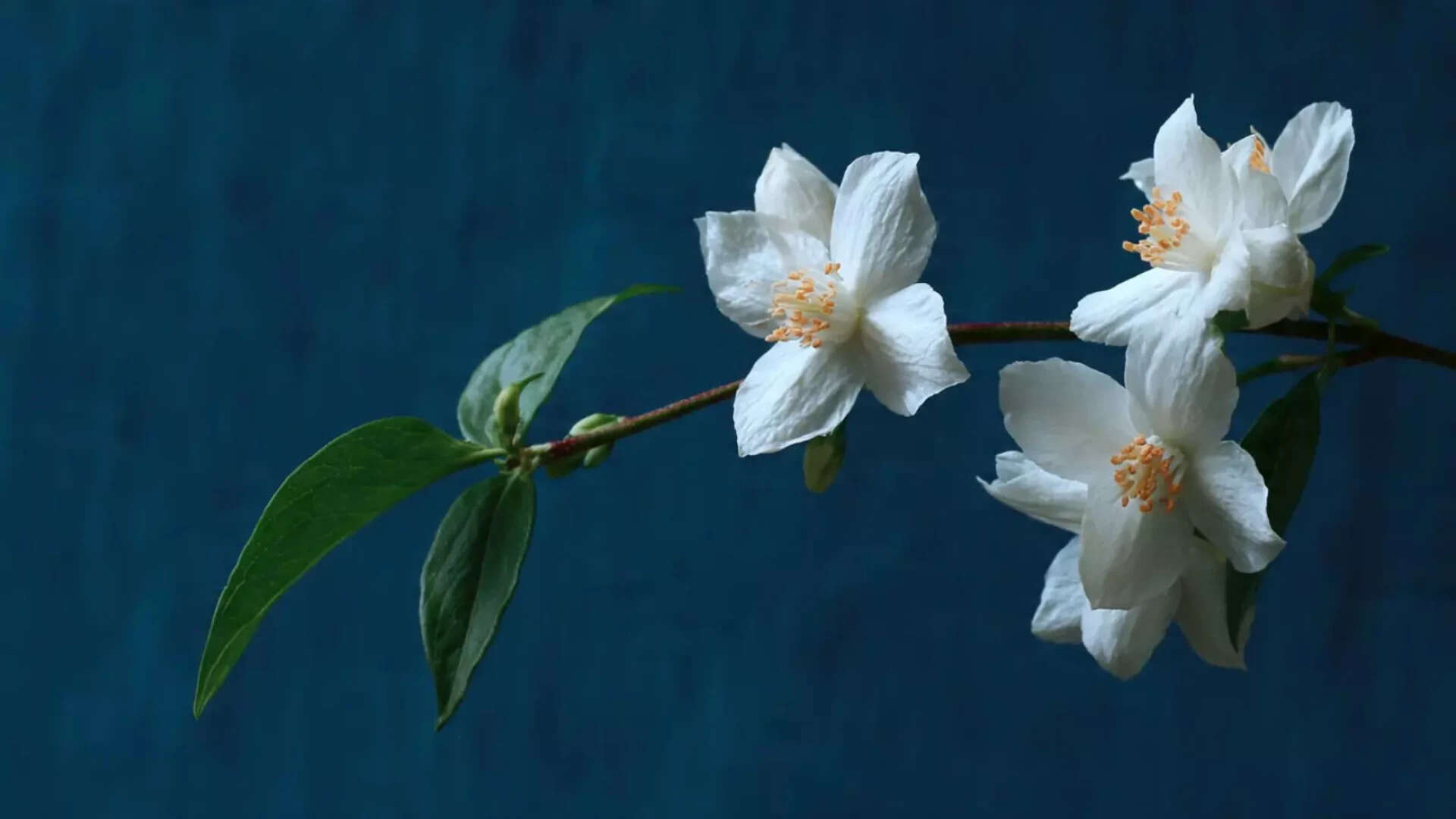
The first step is choosing the right variety. For balconies in India, mogra (Arabian jasmine) is usually the easiest and most rewarding option because it flowers heavily in warm weather and handles container growing well. Juhi and bela are also excellent choices if you want a stronger climbing habit and dense fragrance.
Jasmine loves sunlight, but Indian summer heat can become too harsh during peak afternoons. Ideally, place the plant where it receives four to six hours of direct morning sunlight. East-facing balconies are almost perfect because they provide bright light without exposing the plant to brutal late-afternoon heat. If your balcony faces west, using a sheer shade cloth during heat waves can prevent leaf burn.The container matters more than many people realize. Jasmine roots dislike cramped spaces, so choose a medium-to-large pot with proper drainage holes.
Terracotta pots work especially well because they keep roots cooler thaWatering is where most balcony gardeners go wrong. Jasmine likes consistent moisture but not soggy roots. During Indian summers, watering deeply once every morning is often enough. In extreme heat, you may need light evening misting, especially for young plants.
If the leaves begin turning yellow, overwatering is often the culprit.One trick experienced gardeners swear by is feeding jasmine regularly during flowering season.
Adding compost, diluted seaweed solution, or organic fertilizer every two to three weeks encourages more blooms. Crushed banana peels or homemade compost tea can also boost flowering naturally.Pruning is equally important. Many people hesitate to trim jasmine because they fear losing flowers, but gentle pruning actually encourages fuller growth and more buds. Remove dry stems and faded flowers regularly. After a major flowering cycle, light trimming helps the plant branch out beautifully.Humidity also helps jasmine thrive. Indian balconies often become extremely dry during peak summer afternoons because of concrete heat. Keeping nearby plants together creates a mini humid microclimate that benefits jasmine immensely. Some gardeners even place shallow water trays nearby to cool the surrounding air slightly.One of the most magical things about jasmine is that it becomes more fragrant at night. As temperatures cool after sunset, the flowers release their strongest scent, transforming even tiny balconies into calming evening spaces. In many Indian homes, jasmine is not just a plant but part of memory itself — associated with braided hair, summer nights, festivals, and old family gardens.With patience, sunlight, and regular care, a single jasmine plant can bloom repeatedly for years. And once it settles into your balcony, it rarely stays just a plant. It becomes atmosphere









 English (US) ·