

 1 week ago
6
1 week ago
6
ARTICLE AD BOX
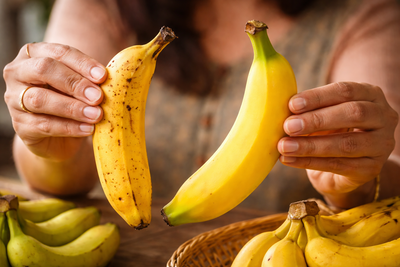
Bananas are one of the most commonly eaten fruits in India, yet they are also among the most frequently chemically ripened. Because bananas are harvested green and transported over long distances, traders often use artificial ripening agents to make them turn yellow quickly.
While safe, regulated methods do exist, illegal or careless chemical ripening can affect taste, texture, digestion, and sometimes even health. Learning to spot the difference helps protect both the stomach and the body. Scroll down to read more.
Why bananas are chemically ripened
Naturally ripened bananas take time. They release their own ethylene gas slowly, which changes starch into sugar and softens the fruit evenly. But markets operate on speed.
To get bananas looking “ready to eat” within a day or two, some sellers use chemicals like calcium carbide or spray ethylene gas in high concentrations. Calcium carbide is especially problematic. When it reacts with moisture, it releases acetylene gas, which forces the fruit to turn yellow without actually maturing. The peel changes colour, but the inside remains underdeveloped. This is why chemically ripened bananas often look good outside but feel strange when eaten.
The colour gives the first clue
Naturally ripened bananas are never a flat, uniform yellow. They develop tiny brown speckles over time called sugar spots. These appear as the fruit’s natural sugars increase. Chemically ripened bananas usually look unnaturally bright and evenly yellow, sometimes with a green tinge at the tips. They lack those small freckles because the ripening process was rushed. If a banana looks shiny, almost plastic-like, or neon yellow without variation, that is a warning sign.
Check the peel texture
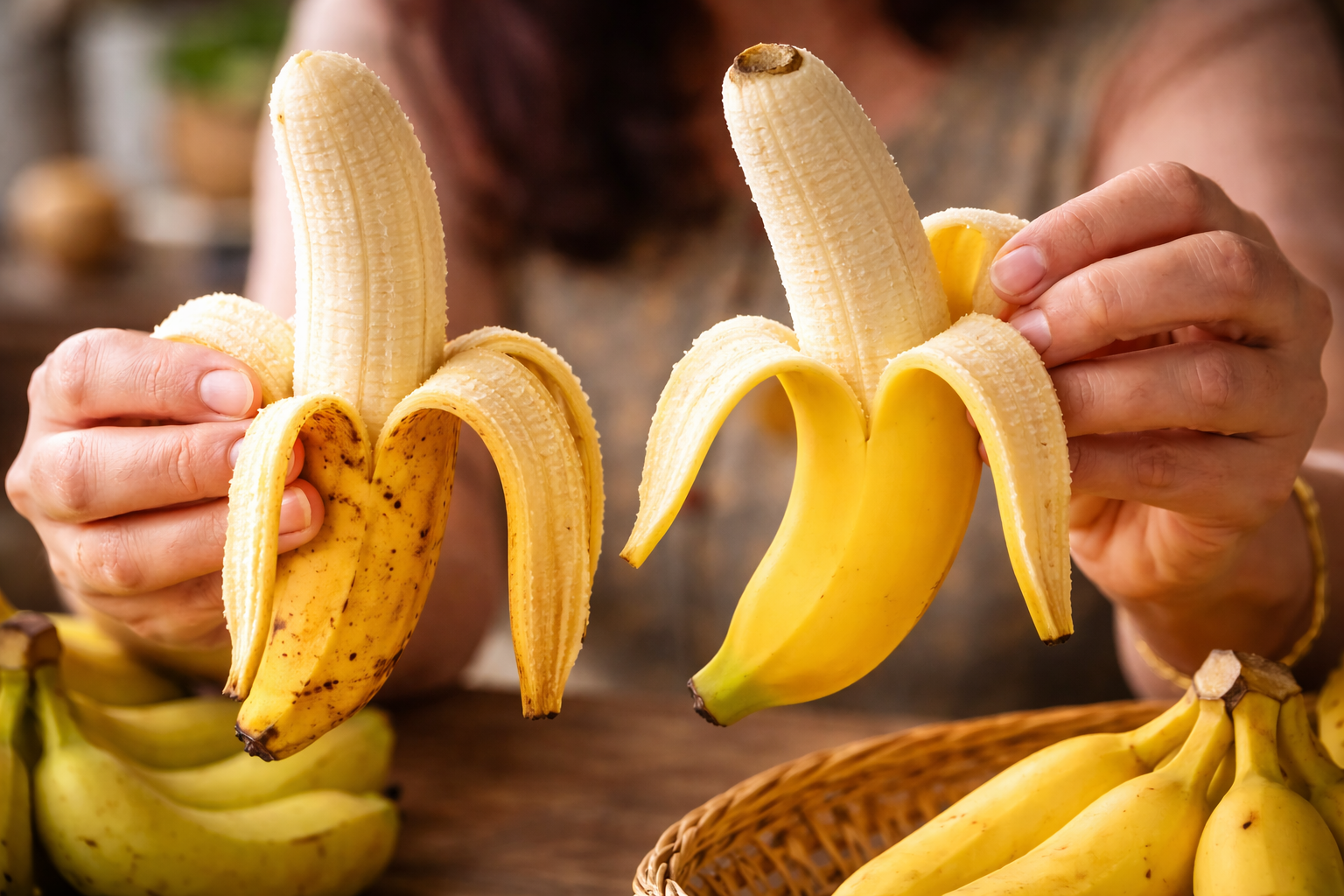
Gently rub the peel. Naturally ripened bananas have a slightly dull, soft skin that feels alive. Chemically ripened ones often feel smooth, slippery, or overly waxy. The peel may also feel thick and stiff rather than thin and flexible. Another giveaway is how the peel opens. A naturally ripened banana peels easily and cleanly. Chemically ripened fruit often tears unevenly or resists peeling.
Smell tells the truth
Real bananas have a warm, sweet, slightly floral aroma, especially near the stem.
That fragrance comes from the natural breakdown of starch into sugar. Chemically ripened bananas often smell faint, grassy, or oddly chemical. Some have almost no smell at all, which is unnatural for a ripe fruit. Always sniff near the top. If there is no banana fragrance, the ripening was probably forced.
Look at the stem
The stem of a naturally ripened banana is dry and slightly shrivelled. In chemically ripened bananas, the stem is often bright green or unnaturally fresh while the rest of the fruit is yellow.
This mismatch happens because only the peel was forced to change colour while the inside remained immature. If the banana looks ripe but the stem looks freshly cut and green, be cautious.
The inside texture is the biggest clue
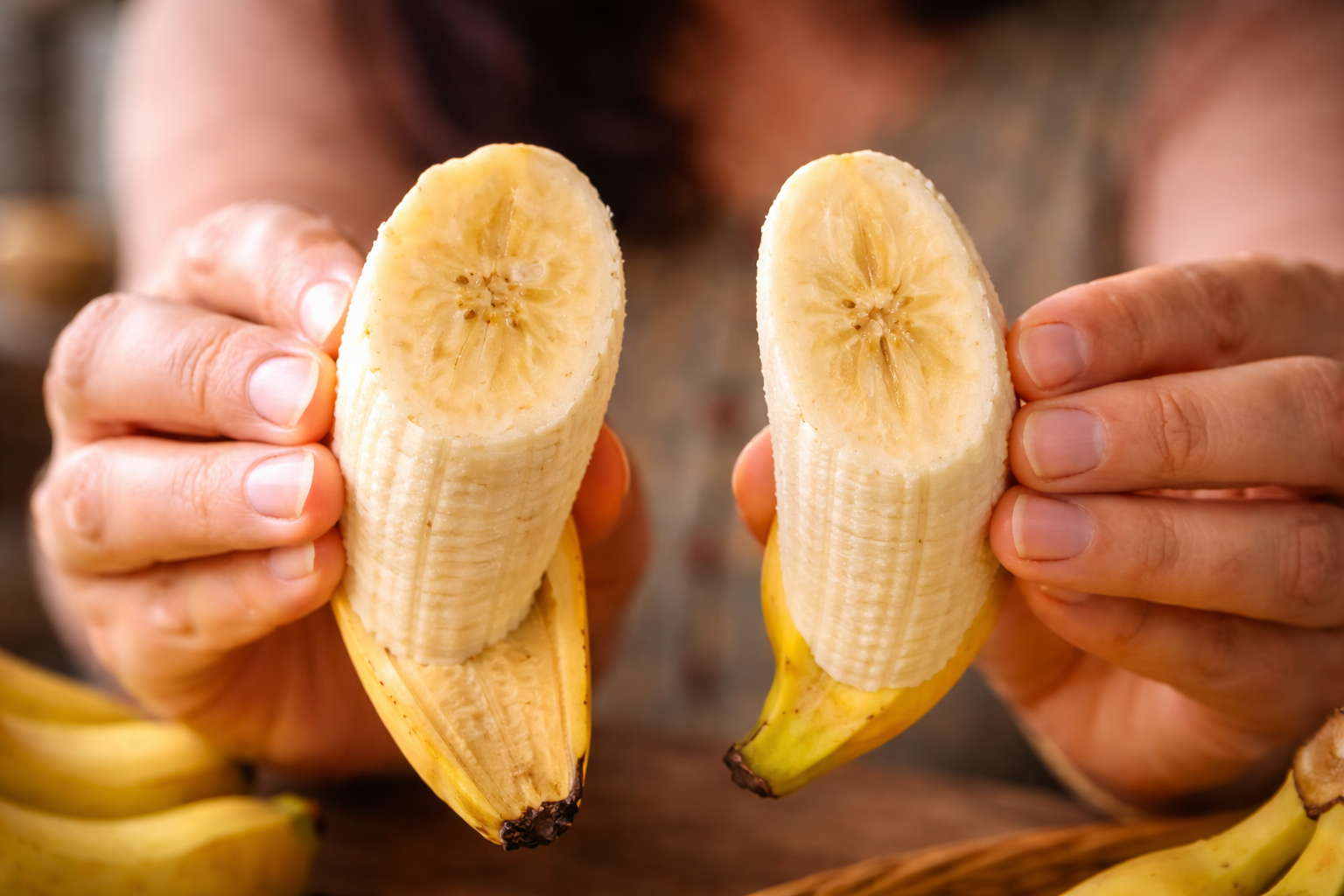
Break a banana open. A naturally ripened one is creamy, evenly soft, and slightly moist. Chemically ripened bananas are often dry, chalky, or hard near the centre. Some feel rubbery. The flavour is usually bland or oddly sweet without depth.
This happens because forced ripening does not allow starch to convert properly into natural sugars. The banana changes colour but not chemistry.
How your body reacts
Many people experience bloating, acidity, or throat irritation after eating chemically ripened bananas. This is not psychological. Artificial agents can irritate the digestive lining, especially when fruit is eaten on an empty stomach. If bananas often make you feel uncomfortable, the quality of ripening may be the reason.
How to reduce risk
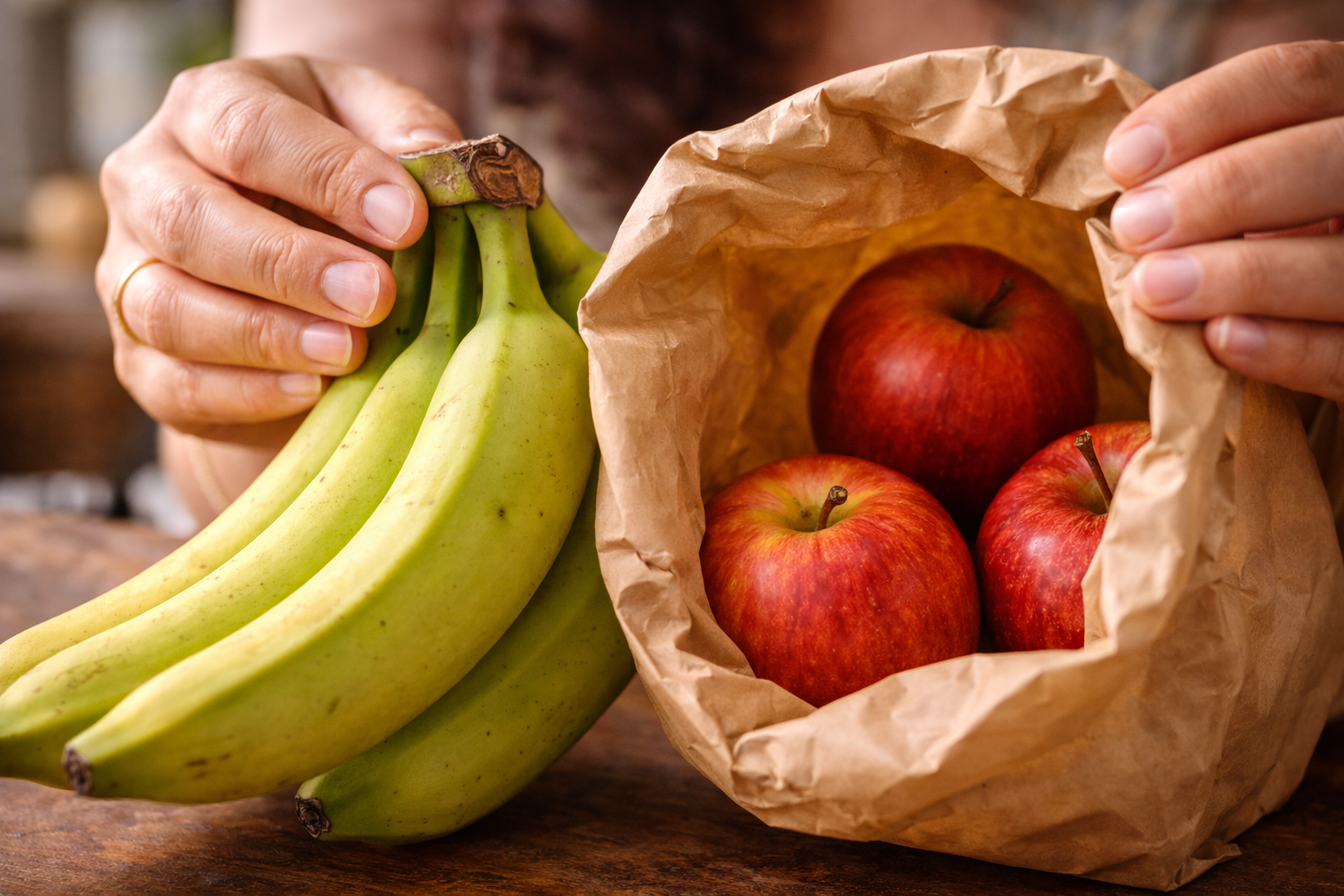
Buying slightly green bananas and letting them ripen at home is the safest option. Keep them in a paper bag or near apples to allow natural ethylene to work. Avoid bananas that look too perfect or unnaturally yellow. Local, smaller vendors often sell more naturally ripened fruit than large, high-speed supply chains, though this is not always guaranteed.









 English (US) ·