

 1 week ago
11
1 week ago
11
ARTICLE AD BOX
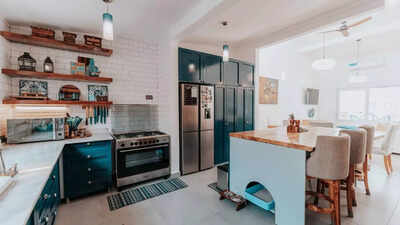
Most people make the most important decision of their lives when they buy a house. Not only does it protect you from the elements, but it also stands for stability, safety, and freedom.
For a lot of families, their home is a safe place to keep their money. It is an investment that grows over time and helps them through tough times. A house is also very emotional. It has memories, important events, and a sense of belonging. Because of this dual nature, buying a home is both an emotional and a serious investment.Because of this, many homeowners don't realize how important resale value is at first. Even if you don't plan to sell your home anytime soon, the choices you make today about maintenance, upgrades, and daily habits will have a direct impact on how valuable your home will be in the future.
The good news is that you don't always have to do expensive renovations to make your home worth more when you sell it. Making small, careful changes and keeping up with regular maintenance can have a big effect.
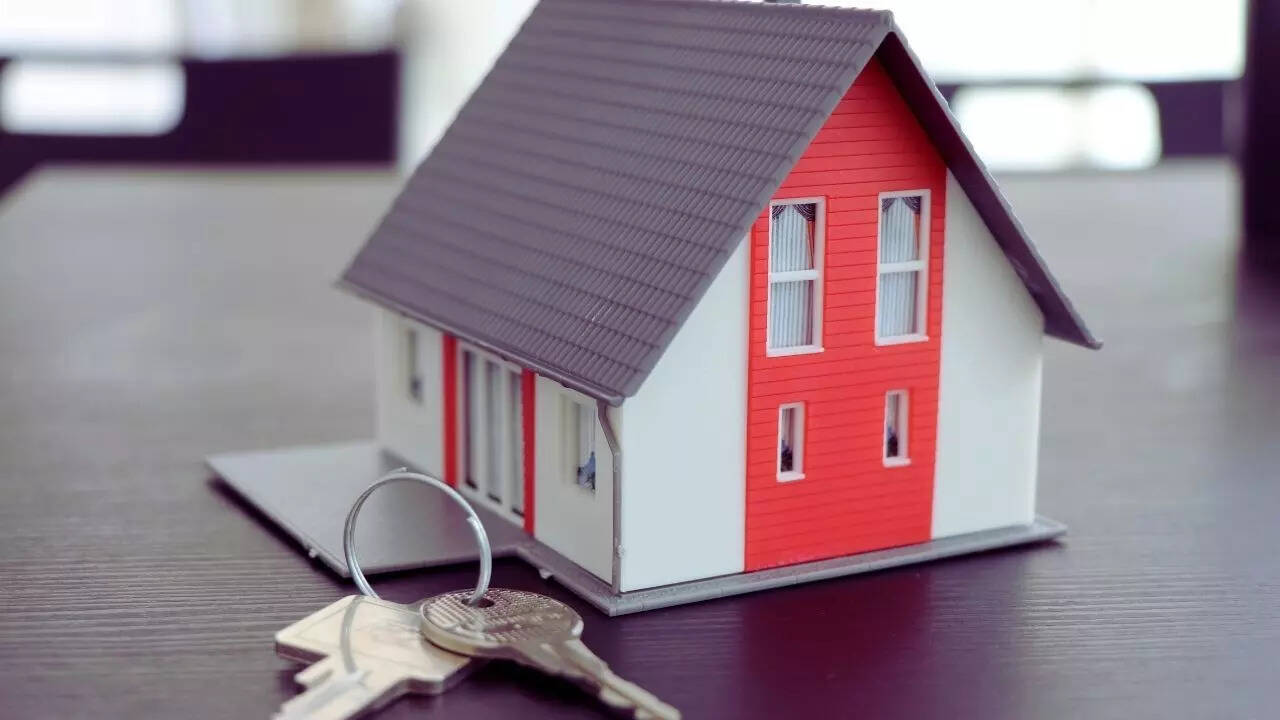
You should care more about first impressions than you doBefore a buyer even walks in, the resale process begins. The exterior of your house sets the tone. An entrance that is well-kept shows that you care about quality, while one that is not shows that you don't.
Repainting the front door, fixing broken paths, trimming back plants that have grown too big, and making sure the outdoor lighting is right are all easy ways to make your home look better from the street.Order and cleanliness are very important inside the home. A room that isn't cluttered looks bigger, brighter, and more inviting. Regularly getting rid of things, even years before selling, helps keep surfaces, floors, and fixtures in good shape.
Homes that feel calm and well cared for are appealing to buyers.A new coat of paint is a quiet way to raise the value of your homeRepainting walls in light, neutral colors is one of the best ways to save money on home improvements. Over time, walls get stains, scuffs, and fading that make them look older without you even realizing it. A home feels newer and better cared for right away after being painted. Buyers can picture their own lives in a space with neutral colors.
Bright colors may show off your style, but they can make it harder to sell later.
If you can't repaint the whole house, touching up high-traffic areas like the kitchen, living room, and hallways can still make a difference.Kitchens and bathrooms quietly make the dealKitchens and bathrooms can make or break a deal. The good news is that they don't always need to be completely redone. Small changes can make a big difference in how people see things.
Changing out old cabinet handles, fixing loose shutters, upgrading taps, and making sure the lighting is right can all make a kitchen look more modern without spending a lot of money. Buyers feel more confident when the countertops are clean, the storage is organized, and the appliances work well.
In bathrooms, regrouting tiles, replacing broken fixtures, fixing leaks, and making sure there is good ventilation can make a big difference.
Buyers feel better about the rest of the house when they see that the bathroom is clean and works well.Regular maintenance keeps things valuable over timeA home doesn't have to be fancy to lose value when it's resold; it just has to look neglected. A buyer's mind adds up small problems like dripping faucets, cracked tiles, peeling paint, or broken switches. They make people think about future costs and lower the value.
Getting into the habit of fixing things on time keeps both the look and the structure of the building. Regular maintenance on plumbing, electrical systems, and waterproofing stops damage that could cost a lot of money later.
People are more likely to trust and pay more for a home that has a record of regular maintenance.The feel changes right away with new flooring and lightingFloors take the most abuse. You can make a home feel new again without having to replace everything by polishing the tiles, fixing the wooden floors, or having the carpets professionally cleaned.
Even small repairs, like fixing broken tiles or loose skirting, can make a big difference. Another thing people don't think about enough is lighting. Homes that are well-lit seem bigger, cozier, and more welcoming. Replacing old fixtures, adding energy-efficient lighting, and letting in as much natural light as possible through clean windows and light curtains all make the space feel better and more valuable.
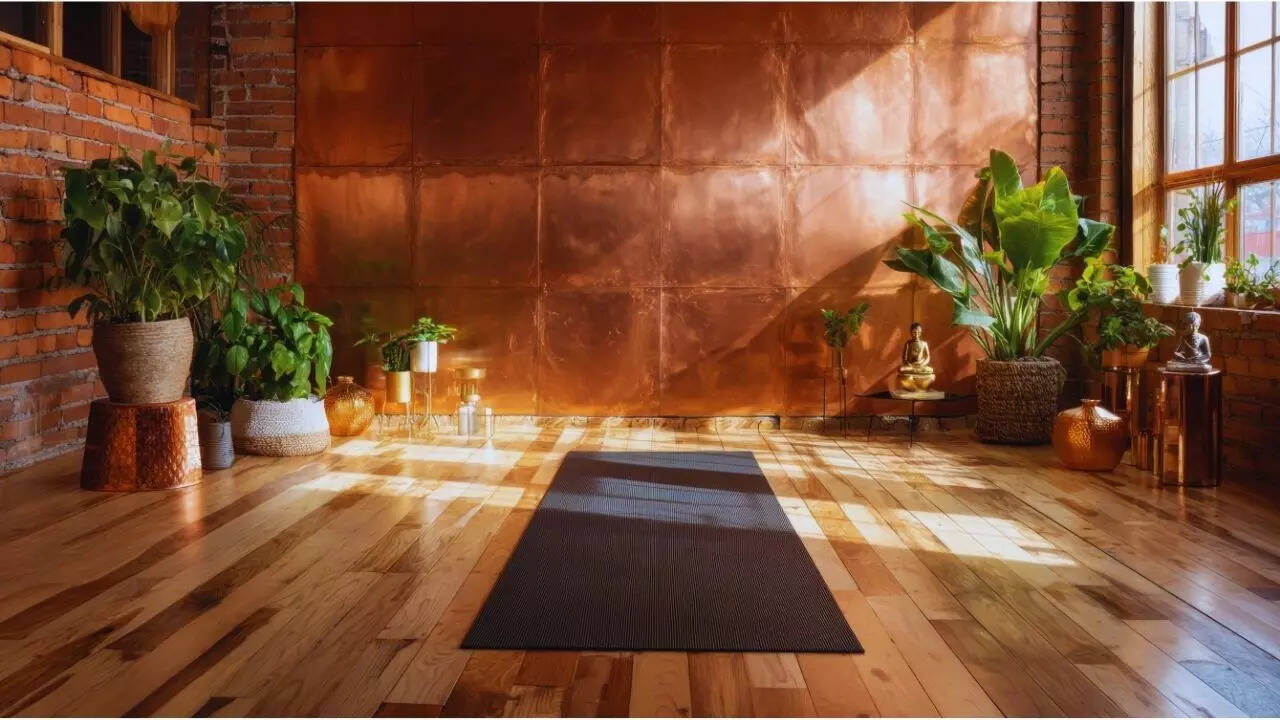
The way things are stored and arranged affects how buyers see themPeople who want to buy a home often want one that is useful as well as pretty.
Built-in wardrobes, organized kitchen cabinets, and efficient utility spaces are all examples of smart storage solutions that make a home more useful and appealing. If you can, don't make any structural changes that make things less flexible. Layouts that are open and flexible tend to last longer and attract more buyers. Houses that are easy to customize tend to keep their value over time.Being energy efficient is becoming a real selling pointAs utility costs go up, buyers are paying more attention to how energy-efficient a home is.
Installing LED lighting, adding better insulation, sealing windows, and picking appliances that use less energy are all easy things you can do to make your home more appealing to buyers. Even small improvements can show buyers how much money they will save in the future, which is something that many buyers think about when making a purchase.
People often think of an energy-efficient home as modern, responsible, and looking ahead.Good habits add value that you can't seeHabits are important, too, in addition to physical upgrades. Keeping your paperwork in order, like property documents, warranties, renovation bills, and society approvals, makes you look more trustworthy when you sell. Customers like it when things are clear and open. If you think like an owner instead of a temporary occupant while you live in your home, the value will slowly go up over time.
More often than not, cleanliness, care, and consistency are more important than fancy finishes.A home that grows with you is worth moreIt's not about following trends or buying luxury items to raise the value of your home. It has to do with how much you value what you own. A home that is well-kept, gently improved, and used responsibly tells a strong story to people who want to buy it. The biggest or most expensive homes aren't always the best ones in the end. They are the homes that feel safe, useful, and well-kept, just like they did when their owners first moved in.









 English (US) ·