

 1 hour ago
5
1 hour ago
5
ARTICLE AD BOX
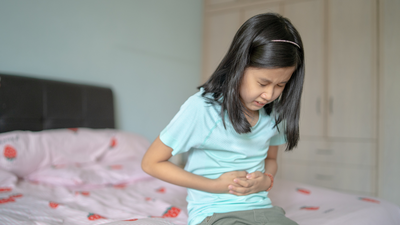
It’s a scenario every parent dreads: your little one comes down with a nasty bug, the fever spikes, and after a stressful visit to the paediatrician, you walk out with a prescription for antibiotics.
Relief washes over you because you know they’ll get better. But as the days pass and the infection clears, you notice something else. Maybe their appetite has completely vanished, their energy is lagging, or their tummy is suddenly upset and their stool is all over the place.While antibiotics are life-saving tools that wipe out bad bacteria, they act like a storm moving through a delicate ecosystem, clearing out the good, protective bacteria right along with the bad.
Illness itself, even without antibiotics, leaves the digestive system depleted and exhausted. Think of your child’s gut as a vibrant, thriving garden. After a round of medication or a severe illness, that garden is temporarily left as bare soil.
16 Jun 2026 | 12:19
Should grandparents get a say in discipline? If yes, where do you draw the line?
If we don’t actively step in to replant the right seeds and nourish the ground, then weeds, in the form of opportunistic, less helpful bacteria can easily take root. Rebuilding this internal ecosystem isn’t just about stopping a temporary tummy ache; it’s about restoring their immunity, improving their mood, and setting up their long-term health.
Here is a practical, step-by-step roadmap to guide your child through a post-illness gut reset.
Phase 1: The Gentle Reintroduction (Days 1 to 3)
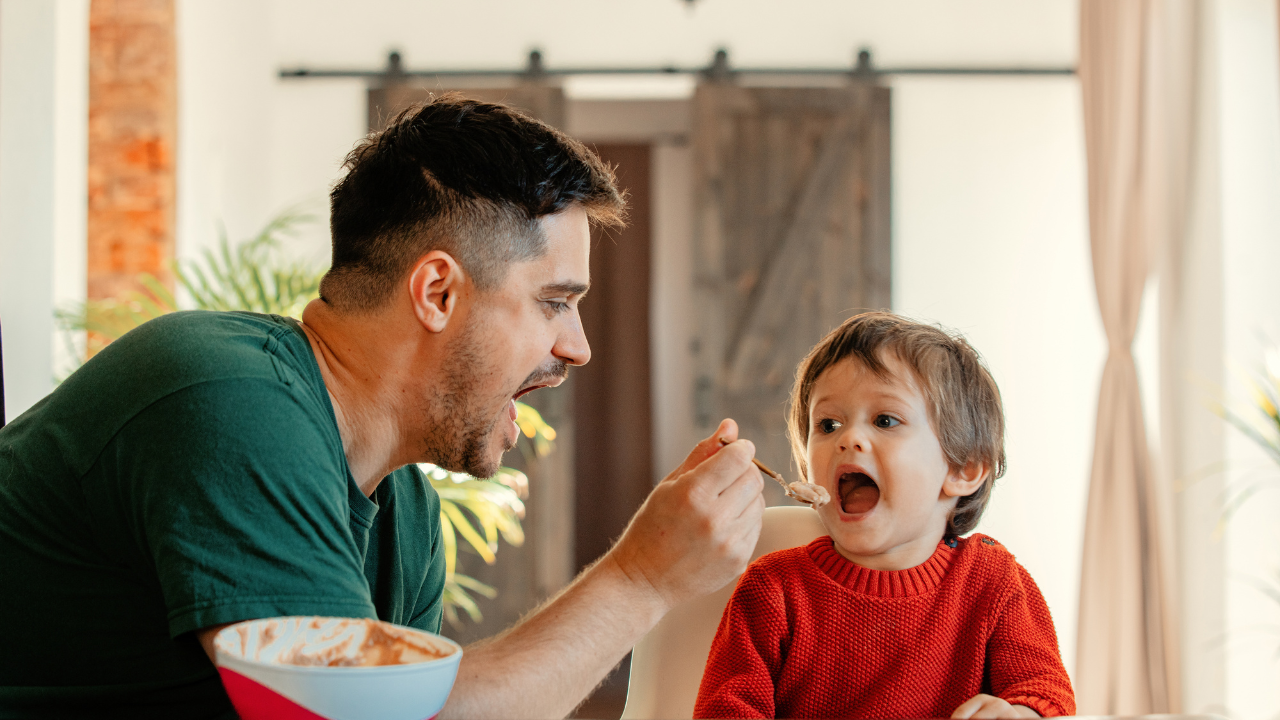
When a child is recovering, their gut lining is sensitive and slightly inflamed. Jumping straight into heavy, fiber-rich foods or complex meals can overwhelm their system. For the first two to three days after finishing medication or recovering from a stomach bug, stick to simple, easily digestible, bland foods. Think of comfort meals like warm rice porridge (kanji) or well-mashed bananas.
This gives the digestive tract a chance to rest while still delivering essential nutrients.
Hydration is your absolute priority during this window. Beyond plain water, look to liquids that double as gut healers. Warm bone broth is incredibly rich in collagen and L glutamine, amino acids that actively patch up and strengthen a fragile gut lining. Coconut water is another fantastic option, offering natural electrolytes and anti-inflammatory polyphenols to revive their energy.
Phase 2: Replenish with Intentional Probiotics
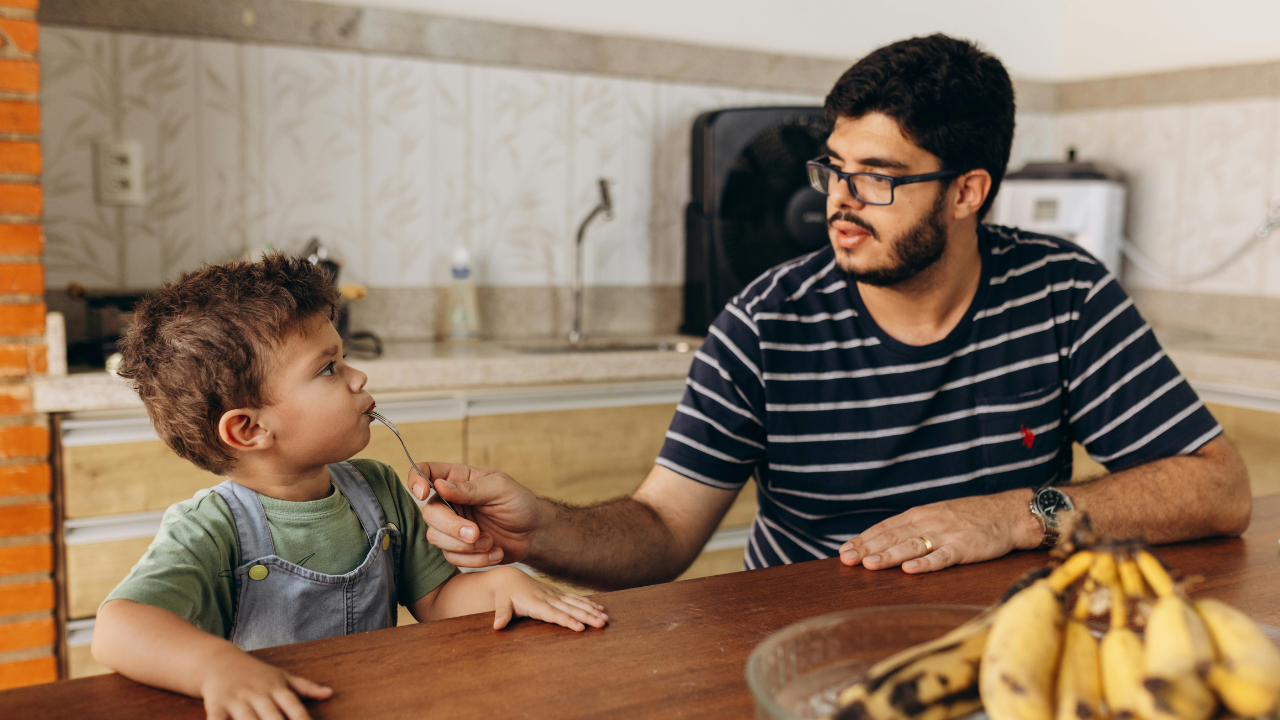
To get the gut garden growing again, we need to reintroduce high-quality bacteria. While everyday foods help, a targeted probiotic supplement is highly effective during the immediate post-antibiotic window. When choosing a supplement for your child, look for a count of at least 5 billion CFU (Colony Forming Units). The specific strains matter significantly. You want to see Lactobacillus rhamnosus and Saccharomyces boulardii on the label, as these are clinically proven to prevent and recover from antibiotic-associated diarrhoea.
If your child is still finishing up their prescription, always space the probiotic at least two hours away from the antibiotic dose so the medication doesn’t accidentally wipe out the supplement. If you are breastfeeding, continue doing so frequently; you can even optimize your own gut health by taking a probiotic and eating fermented foods, passing those protective benefits directly to your baby.
Phase 3: Nourish the Soil with Prebiotics and Whole Fats

Once the foundation is steady, it’s time to feed the good bacteria so they can multiply.
This is where prebiotics come into play. Prebiotics are essentially the dietary fibre that humans can’t digest, but our good gut bugs love to eat. Incorporate foods like oats, steamed apples, sautéed mushrooms, bananas, and a bit of garlic or onion into their meals. An excellent trick is using cooked and cooled starches—like rice, pasta, or potatoes, which develop 'resistant starch,' a powerhouse fuel for a recovering digestive system.
Don't skip out on healthy fats. Traditional ingredients like pure ghee, cold-pressed coconut oil, and virgin olive oil fuel the cells lining the gut, reducing lingering inflammation and facilitating smooth digestion. Once your child is back to their usual self, aim for variety.
Try to introduce 20 different types of fruits, vegetables, lentils, and whole grains across the week to ensure a diverse, resilient microbiome.
Phase 4: Protect the Progress
Just as important as what you put into their bodies is what you keep out of it for a little while. For one to two weeks post-illness, try to strictly limit processed snacks, sugary treats, and high-sodium items. Pathogenic bacteria thrive on refined sugars, and giving them an easy food source right now can trigger an overgrowth that delays true healing.
Listen to the Body
Every child’s recovery timeline looks a little different. It is completely normal for a toddler to experience a temporary shift in their stool frequency, sometimes up to 3 to 5 times a day, as the microbiome stabilizes. Keep a close eye on their mood, energy levels, and overall comfort. If stools remain watery for more than three days, or if you spot any blood, check in with your paediatrician. Healing a child's gut requires patience, but by focusing on gentle foods, target supplements, and whole food nutrition, you aren't just helping them bounce back today, you are rebuilding their health from the inside out.
About Sanchita Daswani
Sanchita Daswani is a child nutritionist who focuses on guiding and empowering parents to confidently offer meals to their kids. She specializes in introducing solids to babies, creating balanced meal plans for toddlers, and helping parents foster a positive and successful mealtime environment.







 English (US) ·