

 42 minutes ago
3
42 minutes ago
3
ARTICLE AD BOX
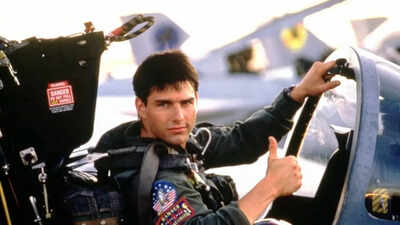
Tom Cruise is the last great movie star. And the myth began with Top Gun, and his character, Maverick, 40 years ago.
For the sake of a full picture, we must begin with the year 1986. Cultural commentators over the past few years have called the year 1986 as the greatest year for pop culture. This year defined the beginning of all trends bold and beautiful.
In 1986, the Western world was gripped by TV soaps, with millions tuning in to Blackadder II to Yes, Prime Minister. Elsewhere, or to be precise, in Mexico, Argentina won the World Cup, with the help of "Hand of God", the legendary Argentine footballer Diego Maradona. Madonna began her ascension to Queen of Pop status with 'Like a Virgin', much to the ire of the Vatican. George Michael said goodbye to Wham! and went solo.
Somewhere else, though not known at the time, 1986 also proved to be the final time master showman, late Freddie Mercury would perform live with Queen.
It was also the year of iconic music videos by pop stars in America. Think Robert Palmer's 'Addicted to love, Peter Gabriel's 'Sledgehammer', Whitney Houston's 'How will I know' and Madonna's 'Papa don't preach.' And then came Tony Scott's Top Gun – the must-see movie of the year, overnight elevating its lead actor Tom Cruise to superstar status. This was the first step Tom Cruise took to build his own myth, at that time unknowingly though.
He would eventually become the last great movie star in the world.Now, 1986 was no less interesting for India either. You may not believe it now but Bollywood used to be a cohesive fraternity those days. And this year was marked by a massive historic Bollywood strike to protest the Maharashtra government's heavy taxation on cinema tickets and equipment. It united Bollywood stars, directors, technicians – anyone associated with tinsel town.
Major stars of the time, like Dilip Kumar, Raj Kapoor, Mithun Chakraborty, took to the streets and delivered rousing public speeches.The biggest movies of the year were Subhash Ghai’s Karma, spawning iconic dialogues like "Is jail ki diwaro ka rang..." Meanwhile, Harmesh Malhotra’s Nagina, starring Sridevi, dominated the box office and introduced the snake dance, which became a staple at all Indian weddings since, and now sits at some costly shelf in the Indian museum of pop-culture mythology.
But the soundtrack that literally took India by storm was "Chitthi Aai Hai" sung by Pankaj Udhas. This year also saw cable TV and VHS tapes creeping into Indian living rooms. And here is where we come back to the myth of Maverick and Tom Cruise.
Whoever missed the movie at theatres, watched it on VHS. Whoever watched it in theatres, watched Top Gun multiple times on VHS. And even then, they couldn't get enough of the movie or its lead star.
The legend-making of both the film and its star had started in India.\
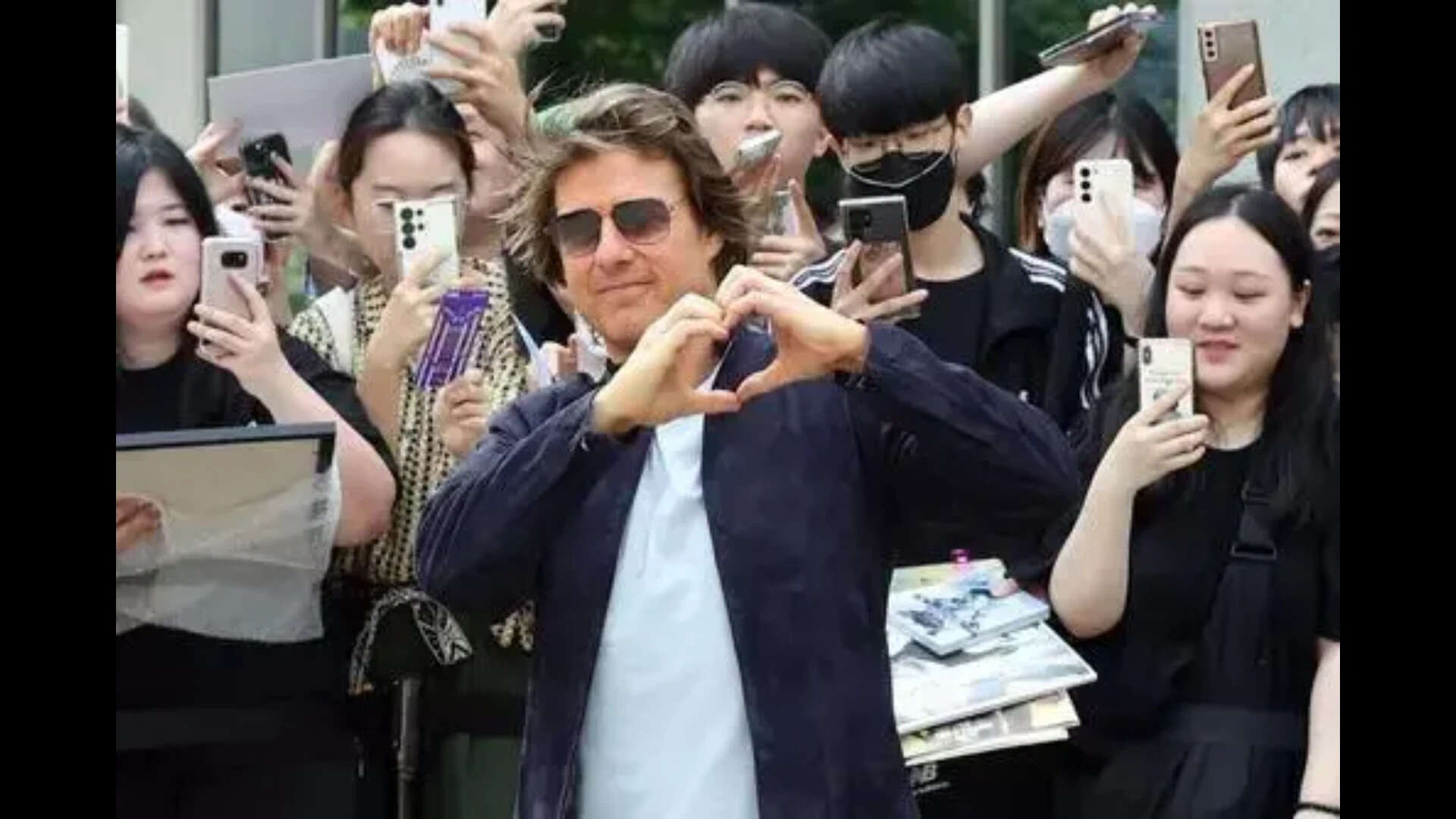
Hollywood always had plenty of handsome actors. It had plenty of charismatic ones. A lot of them had headlined blockbusters. But very few radiated that strange cinematic electricity that makes audiences believe they are watching someone larger than the culture around them. Tom Cruise had it in 1986, and nearly forty years later, he still does.
The beginning of the legend called Tom Cruise
There is a moment in Top Gun (1986) when Maverick, played by Tom Cruise, walks across the tarmac in aviators, bomber jacket slung across his shoulders, fighter jets roaring somewhere behind him. For some reason, it was this precise monet when the world suddenly understood what a movie star is supposed to feel like. Not look like but what he must feel like.
Hollywood always had plenty of handsome actors. It had plenty of charismatic ones. A lot of them had headlined blockbusters.
But very few radiated that strange cinematic electricity that makes audiences believe they are watching someone larger than the culture around them. Tom Cruise had it in 1986, and nearly forty years later, he still does.How does he do it?For that we have to find the real Tom Cruise through his character Maverick in Top Gun.
Because Maverick is not merely a nostalgic character from the iconic Tony Scott film. He is as much a modern myth. At times, in this article it may seem Maverick and Tom Cruise are words used interchangeably. And that is precisely the point. Let’s decode how.In an entertainment landscape dominated by franchises, superheroes, streaming algorithms, and celebrity overexposure, Maverick’s character continues to feel startlingly alive.
Because he represents something contemporary culture quietly misses: unapologetic movie-star cool. The kind that cannot be reverse-engineered through marketing teams or manufactured through social media virality. The kind that arrives through instinct, timing, physicality, charisma, and absolute conviction.Top Gun did not simply create a blockbuster hero. It created one of the last universally recognizable cinematic myths of the analogue age.
And myths do not die easily. In this case, myth had its most dedicated patron in the name of Tom Cruise. Through his choice of movies, acting prowess, keen business acumen and sheer star power Tom cruised through the next 40 years, building Brand Tom Cruise whose myth was just as big as Maverick.The result of that was Top Gun: Maverick releasing in the midst of a pandemic, in 2022, and still earning approximately $1.496 billion worldwide during its theatrical run.Here are some facts. Top Gun: Maverick became one of the biggest global blockbusters of all time. The film collected about $718 million in North America and roughly $777 million internationally, making it Tom Cruise’s highest-grossing film ever and the biggest film of his career by a huge margin. It also became the second-highest-grossing film worldwide of 2022, just behind Avatar: The Way of Water.
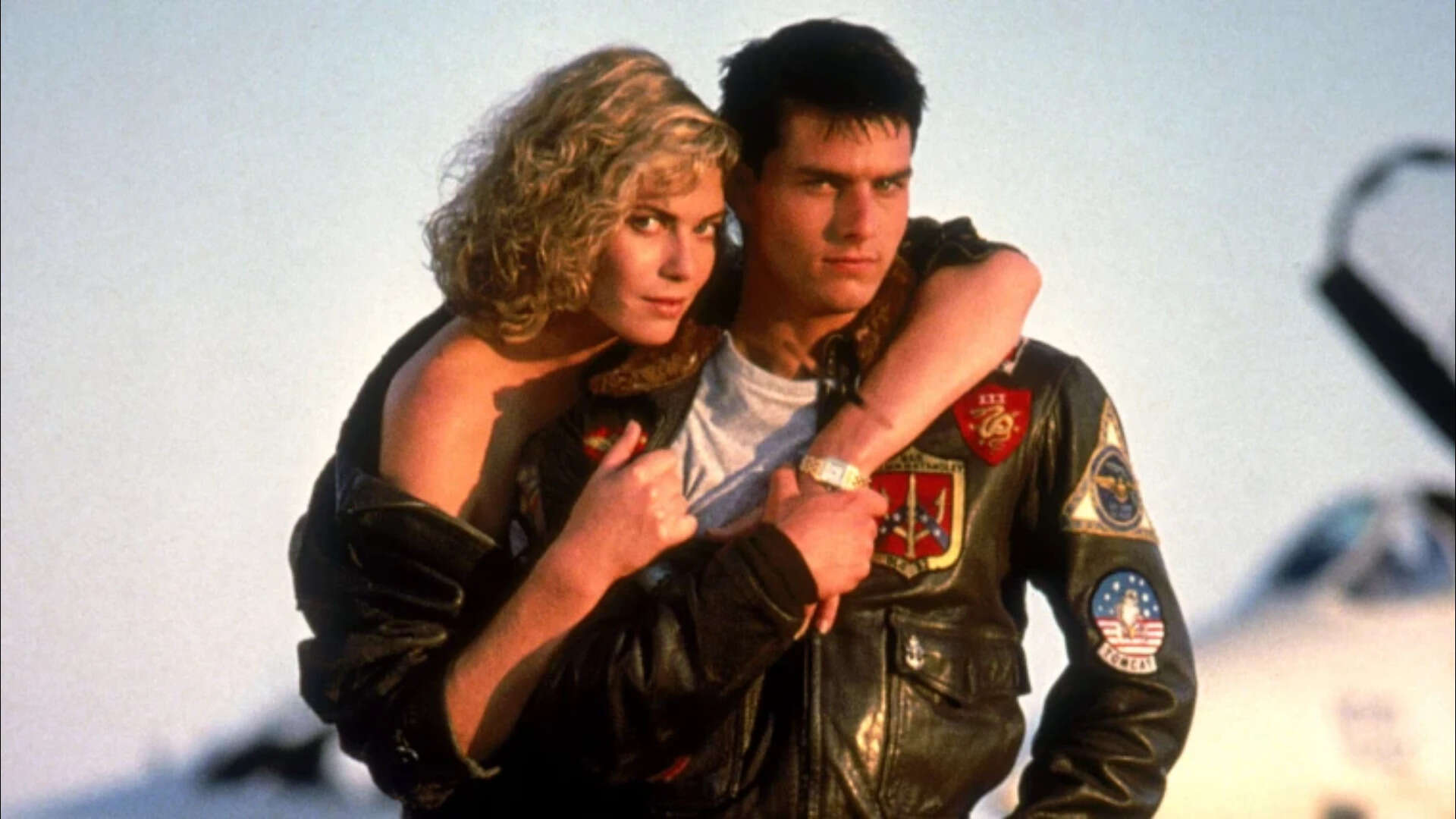
Top Gun did not simply create a blockbuster hero. It created one of the last universally recognizable cinematic myths of the analogue age. And myths do not die easily. In this case, myth had its most dedicated patron in the name of Tom Cruise. Through his choice of movies, acting prowess, keen business acumen and sheer star power Tom cruised through the next 40 years, building Brand Tom Cruise whose myth was just as big as Maverick.
When Top Gun released in 1986, nobody could have fully predicted the scale of its cultural detonation.
The original film in 1986 became the highest-grossing movie of the year ($357 million worldwide), transforming Cruise into a global phenomenon almost overnight. But the movie’s success went far beyond box office numbers. It altered fashion, music, advertising, masculinity, action cinema, celebrity branding, and even the visual grammar of “cool” itself.
Nearly every modern blockbuster owes some debt to Top Gun, whether directly or indirectly. The hyper-stylized action montages, the music-video editing, the emotionally charged spectacle, the fetishization of speed, the worship of confidence, the blending of vulnerability with swagger – all of it became foundational to modern pop culture.
Cruise and Maverick have both outlived the decade that produced them
Yet what makes Top Gun and Tom Cruise, simultaneously, extraordinary is that both have outlived the decade that produced it. Many films from the 1980s now feel trapped inside their own nostalgia. They function like preserved museum exhibits from another cultural universe. Top Gun somehow escaped that fate. Younger audiences continue to rediscover it with genuine excitement, not anthropological curiosity. TikTok edits of Maverick go viral.
Gen Z treats the film’s aesthetic like a mood board. Aviators remain permanently associated with Cruise. The soundtrack still sounds cinematic and the imagery still feels seductive. Even people who have never watched the movie recognize its aura instantly.That aura is the Maverick myth. It’s also how the legend of Tom Cruise grew from 1986 to 2026. Forty full years. Part of the myth comes from timing. The mid-1980s were the perfect historical conditions for a film like Top Gun to explode globally. America was deep inside the Reagan Era, a period obsessed with confidence, spectacle, ambition, technological supremacy, and visual excess.
The pessimism of the 1970s was giving way to a new culture of velocity. Music television had completely transformed visual storytelling. MTV was training audiences to consume emotion through editing rhythms, glamour shots, movement, and soundtracks.
Late director Tony Scott, brother of legendary director Ridley Scott, understood this intuitively. He did not shoot Top Gun like a traditional military drama. He shot it like a fever dream of speed and desire.
Sunsets looked molten. Faces glowed in twilight. Maverick’s bike raced through the street carrying all of rage and the audacity of ambition never thought before. Then came the fighter jets that sliced through the sky like predators in a luxury advertisement. Every scene seemed dipped in gold, smoke, sweat, and adrenaline. Scott realized before most filmmakers that audiences were no longer simply watching movies.
They were absorbing atmospheres. And he made that atmosphere revolutionary.Today, entire influencer cultures are built around curated confidence, effortless charisma, expensive minimalism, and emotionally detached swagger. Maverick was already doing all of it in 1986. The aviators. The bomber jacket. The motorcycle. The lazy grin. The dangerous confidence masking private vulnerability. The casual physicality.
The refusal to explain himself too much. Cruise and Scott together created a visual identity so powerful that it transcended the film entirely.After Top Gun, aviator sunglasses stopped being accessories and became attitude. Bomber jackets became fantasy objects. Motorcycles became cinematic shorthand for freedom. Countless advertisements, music videos, fashion editorials, and action films spent decades borrowing from the movie’s visual vocabulary.
The film did not merely reflect cool culture. It industrialized it.And at the center stood Tom Cruise.
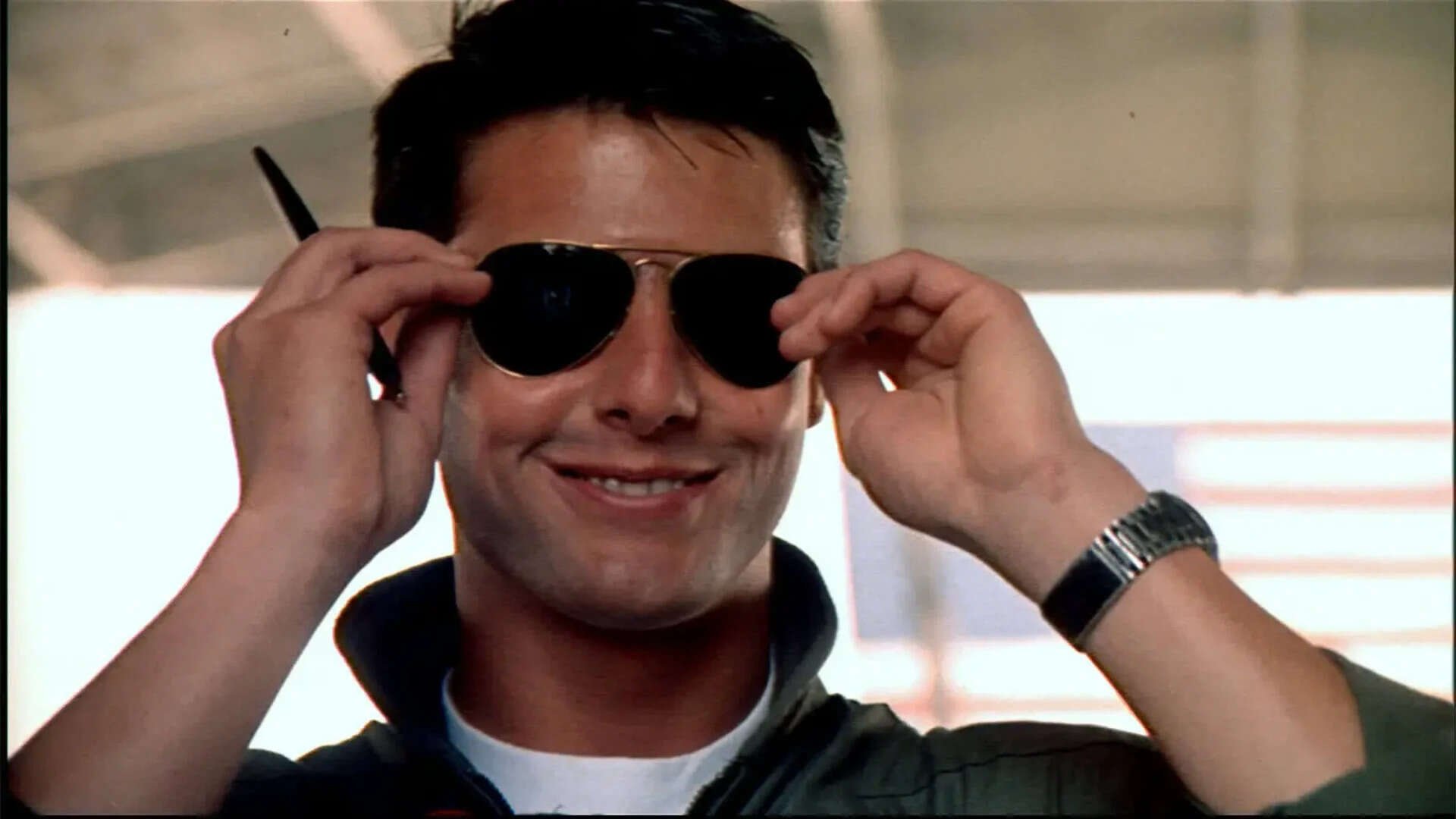
After Top Gun, aviator sunglasses stopped being accessories and became attitude. Bomber jackets became fantasy objects. Motorcycles became cinematic shorthand for freedom. Countless advertisements, music videos, fashion editorials, and action films spent decades borrowing from the movie’s visual vocabulary. The film did not merely reflect cool culture. It industrialized it. And at the center stood Tom Cruise.
Before Top Gun, Hollywood had stars. After Top Gun, Cruise became something rarer: a global obsession. What made him fascinating was that his charisma operated differently from earlier movie icons. Traditional cool often depended on emotional distance. Think of Steve McQueen or Clint Eastwood, whose power came from withholding emotion.
Cruise’s Maverick was different. He was emotionally transparent beneath the swagger. Competitive. Needy. Fearful. Hungry.
Restless. He wanted approval. He wanted greatness. He wanted to outrun the shadow of his dead father. His confidence felt performed rather than inherited.
The raw appeal of the emotionally fractured man in an emotionally fractured time
That contradiction made him modern before modernity arrived in our New Age vocabulary. Today’s younger generations instinctively understand performative confidence because social media has turned identity itself into performance.
Gen Z especially recognizes the tension between projected coolness and private insecurity. Maverick spends the entire film trying to convince the world—and himself—that he is fearless.
The movie repeatedly dismantles that illusion. Goose dies. Maverick freezes midair. His arrogance collapses into grief and terror. Suddenly the coolest man in the room becomes emotionally broken from within.That emotional fracture, which we all can identify with at any decade—more so postpandemic—is what elevates the character from poster icon to enduring myth.Because underneath all the speed and style, Maverick is really about fear. Fear of inadequacy. Fear of failure. Fear of not living up to an inherited legend. Fear of emotional intimacy. Fear of stillness. Audiences across generations recognize those anxieties instinctively, even if the packaging changes with time.This is also why Top Gun became such a gigantic international hit and not merely an American phenomenon.
While the film is saturated with American military imagery, its emotional architecture is universal. Viewers in India, Europe, Asia, Latin America, and the Middle East were not responding primarily to naval aviation politics. They were responding to aspiration.Top Gun sold aspiration better than almost any blockbuster of its era. It offered a fantasy of beauty, velocity, competence, romance, and glamour that travelled effortlessly across borders.
The soundtrack amplified this global portability. 'Danger Zone' by Kenny Loggins transformed adrenaline into sound, while 'Take My Breath Away' by Berlin turned romance into atmosphere. The songs escaped the film instantly and entered global popular culture.
Suddenly Top Gun was no longer just a movie. It was music, fashion, fantasy, and identity.
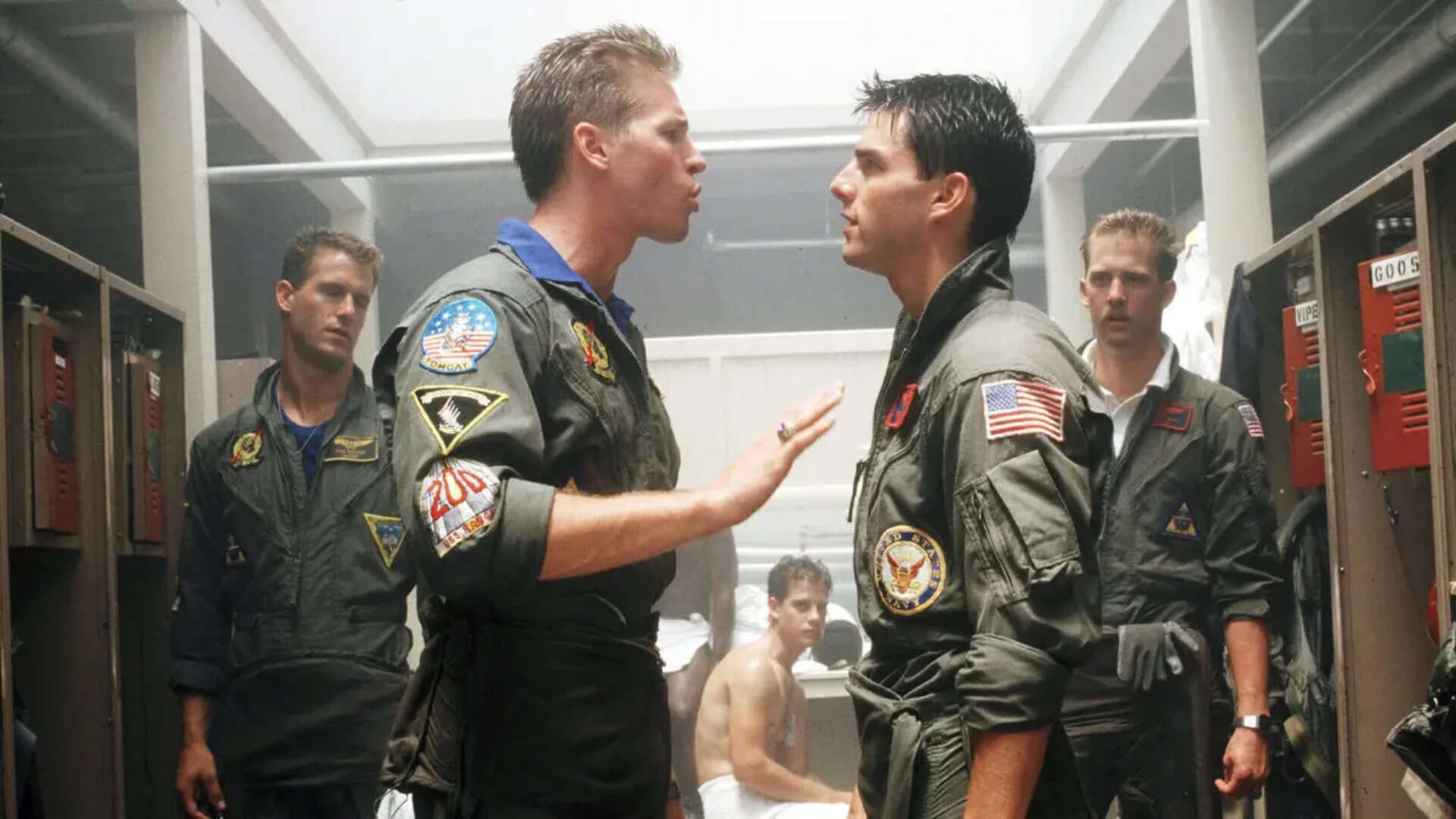
Today’s younger generations instinctively understand performative confidence because social media has turned identity itself into performance. Maverick spends the entire film trying to convince the world—and himself—that he is fearless. The movie repeatedly dismantles that illusion. Goose dies. Maverick freezes midair. His arrogance collapses into grief and terror. Suddenly the coolest man in the room becomes emotionally broken from within. That emotional fracture, which we all can identify with at any decade—more so post pandemic—is what elevates the character from poster icon to enduring myth.
In the 1980s, such cultural crossover was unheard of, hence humongous in its scope of ambition.
Because at that time Hollywood was slowly becoming globalized. American cinema was no longer merely exporting stories. It was exporting lifestyles. Top Gun arrived carrying all the symbols of aspirational modernity at once – speed, technology, beauty, rock music, luxury masculinity, cinematic romance, and youth.And unlike many Cold War films, Top Gun remained deliberately mythic rather than political. The enemy was vague.
The geopolitics were abstract. The film avoided realism because realism ages. Myth survives.The aerial sequences themselves remain astonishing even today. Modern audiences raised on CGI-heavy spectacle often react to Top Gun with surprise because the flight scenes possess genuine physical danger. Real aircraft occupy real space. The camera captures actual velocity. Contemporary action cinema frequently overwhelms viewers with digital chaos. Top Gun gives them momentum they can physically feel.That physicality contributes enormously to the Maverick myth. Cruise’s stardom has always depended partly on the audience believing that he genuinely risks himself for spectacle. Even in 1986, before he became synonymous with death-defying stunts, there was already something intensely physical about his screen presence. He runs like somebody trying to outrun mortality itself.
He moves with total commitment.
His performances are powered by kinetic obsession.
Cruise is Maverick and Maverick is Cruise
Over time, Cruise and Maverick began merging into a single cultural figure. That fusion became especially powerful as Hollywood changed around him. The traditional movie-star system slowly collapsed in the age of franchises and streaming. Intellectual properties became more important than actors. Superheroes became brands unto themselves.
But Cruise resisted disappearing into digital abstraction. He doubled down on physical cinema.
Real stunts. Real locations. Real risk. He was Mr Mission Impossible. That commitment transformed him into something almost anachronistic – the last major star still behaving like movie stars once did.Which is precisely why younger audiences find him fascinating. To Gen Z and Gen Alpha, Cruise feels almost mythological.
He belongs to a disappearing form of celebrity. Contemporary stars are accessible, online, constantly explaining themselves. Cruise remains elusive. Controlled. Hyper-disciplined. Slightly unknowable. He still arrives as an event rather than content. That old-school mystique feels strangely radical in the age of oversharing.
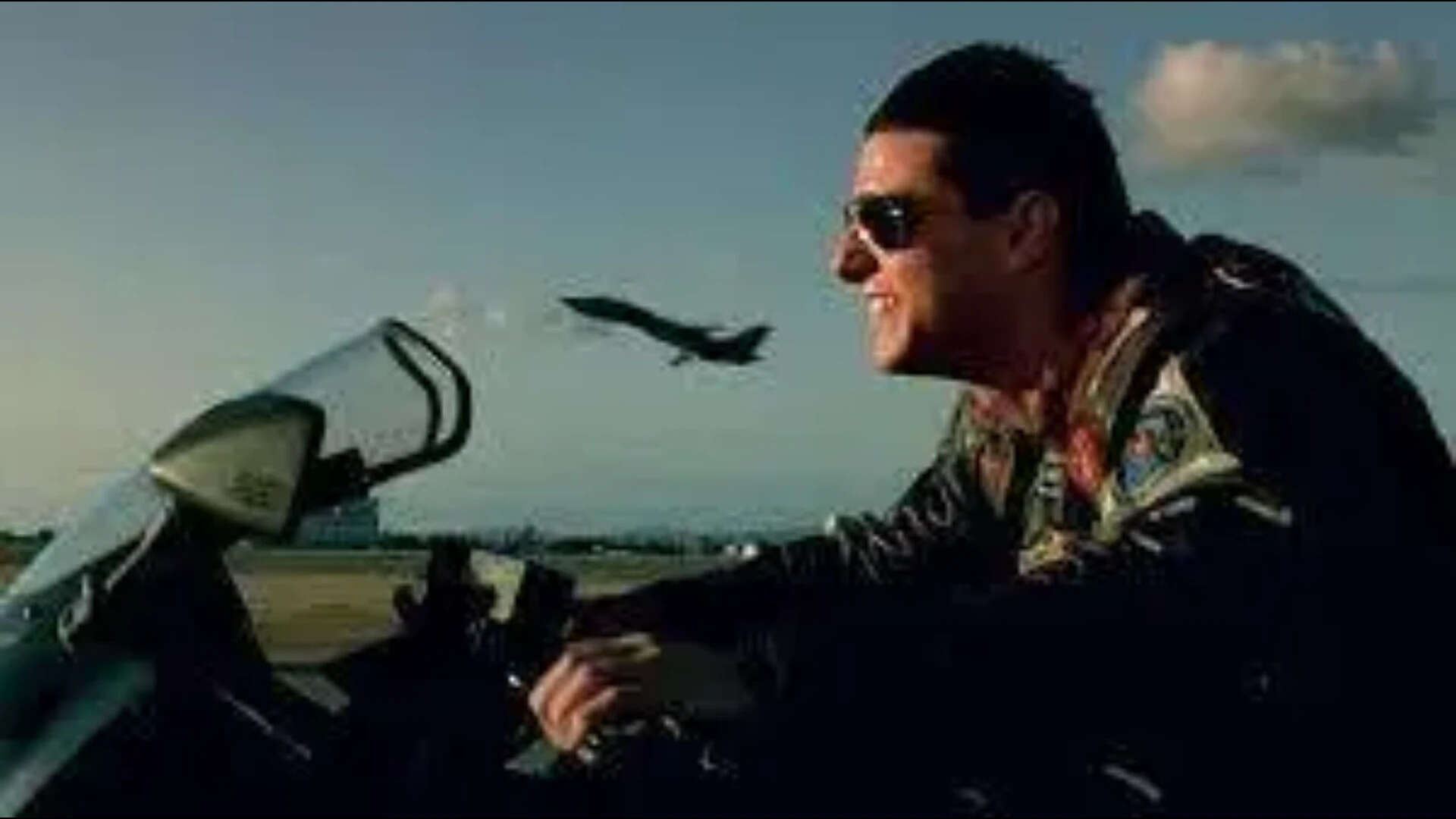
To Gen Z and Gen Alpha, Cruise feels almost mythological. He belongs to a disappearing form of celebrity. Contemporary stars are accessible, online, constantly explaining themselves. Cruise remains elusive. Controlled. Hyper-disciplined. Slightly unknowable. He still arrives as an event rather than content. That old-school mystique feels strangely radical in the age of oversharing.
Maverick and Cruise benefit enormously from that mystique because the character itself is built around movement and mystery, and the man never really left the character of Top Gun. In fact, 40 years later, one looks at the star’s film success trajectory, one feels Tom Cruise never really came out of his character after Top Gun. There’s a strong Maverick inside him that makes him arrive at all the biggest professional decisions that has led him where he is now. The greatest movie star in the world. He was 23 when Top Gun released in 1986. He’s 63 years old now.
Still the leading male star.
A meditation on ageing itself
Now on to Top Gun: Maverick once more. Most legacy sequels exist primarily to exploit nostalgia. Top Gun: Maverick did something much more difficult. It deepened the myth. Instead of simply repeating the original film’s pleasures, it transformed Maverick into a meditation on ageing itself. Cruise played him not as a triumphant icon but as a man emotionally stranded between eras. Younger pilots viewed him like a living legend.
Institutions saw him as obsolete. The world had modernized around him, but Maverick remained stubbornly analogue.
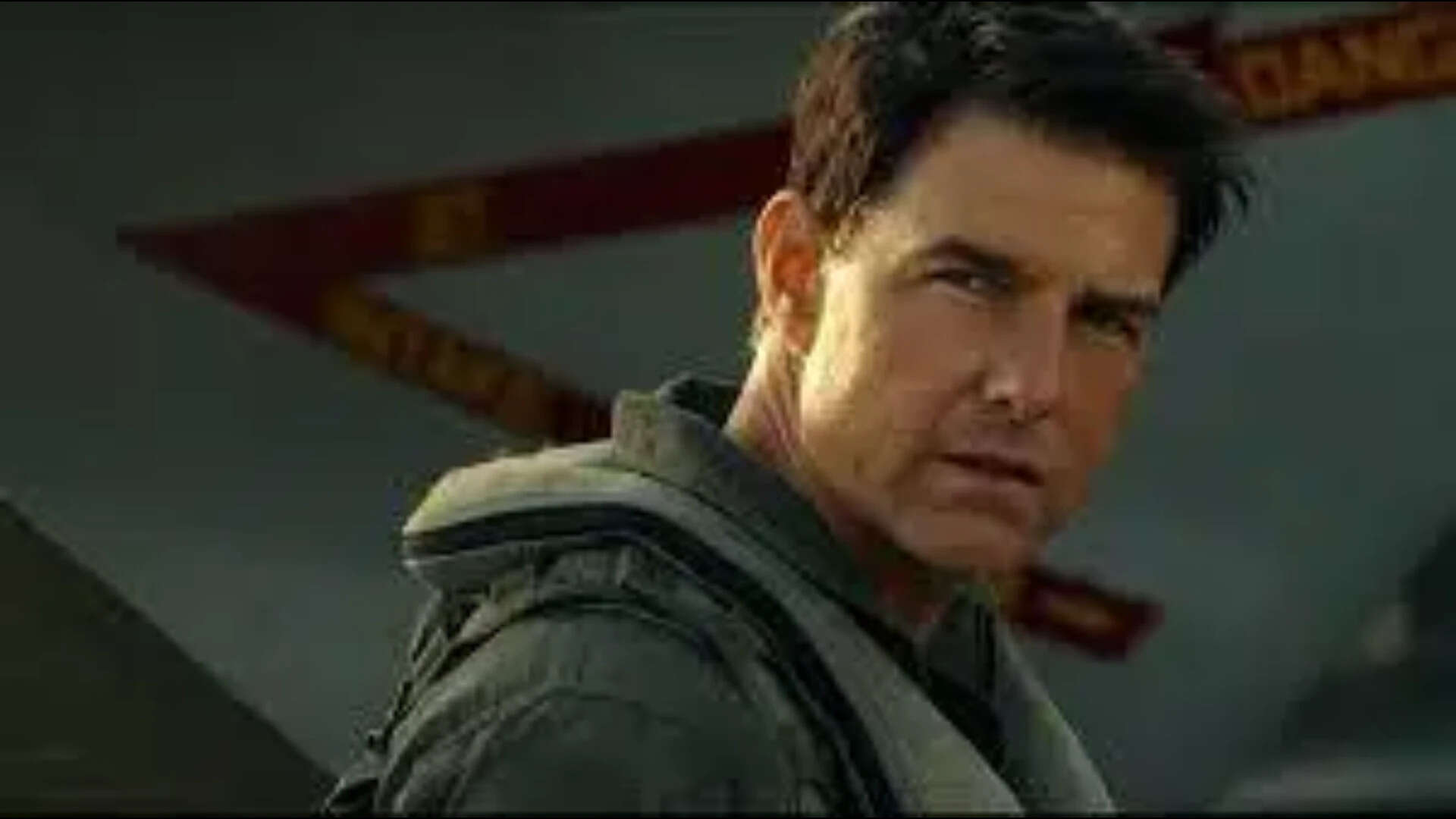
Most legacy sequels exist primarily to exploit nostalgia. Top Gun: Maverick did something much more difficult. It deepened the myth. Instead of simply repeating the original film’s pleasures, it transformed Maverick into a meditation on ageing itself. Cruise played him not as a triumphant icon but as a man emotionally stranded between eras. Younger pilots viewed him like a living legend. Institutions saw him as obsolete. The world had modernized around him, but Maverick remained stubbornly analogue.
Audiences responded with overwhelming emotion because the character suddenly represented something larger than himself. He became a symbol of human instinct surviving technological efficiency. In an increasingly algorithmic culture, Maverick still trusted feelings over systems. And that is the beauty of filmmaking as an art, and as a saleable blockbuster.
Cruise had mastered that art, as much as he mastered his action stunts.The sequel’s staggering success proved something remarkable: younger generations were not merely nostalgic for the 1980s. They were hungry for sincerity. Modern blockbuster culture often hides behind irony, meta-humour, or self-awareness. In short, it has gone too Woke. Top Gun believes in emotion without embarrassment. It believes heroism still matters.
It believes confidence can coexist with vulnerability. It believes spectacle should make audiences feel the awe that the filmmaker intended.That kind of sincerity now feels almost rebellious in the age of relentless content thrown to us as entertainment. The internet has also helped keep the Maverick myth alive in unexpected ways. Online culture constantly recycles cinematic archetypes into new identities. Clips from Top Gun circulate as aesthetic fragments – sunset silhouettes, flirtatious smiles, locker-room competitiveness, fighter jets against synth music.
Younger viewers consume the film not only as narrative but as visual texture.
Both Maverick and Cruise thrive even today because Top Gun was emotional, not ideological
Few films remain elastic enough to survive multiple generations of reinterpretation. Top Gun does because it was always more emotional than ideological. Another reason Maverick endures is because he represents one of the oldest fantasies in storytelling: the gifted rebel who refuses complete domestication. Institutions want conformity.
Maverick wants excellence without surrendering individuality. Every generation eventually rediscovers that conflict.What makes the character compelling is that the film never fully punishes his rebellion. Maverick matures, but he does not become dull. He learns responsibility without losing danger. That is the fantasy audiences truly crave – not adulthood per se, but adulthood without emotional surrender.
This fantasy becomes even more powerful in contemporary life, where younger generations feel trapped inside systems larger than themselves: corporate culture, economic instability, algorithmic visibility, endless performance pressure… the list goes on. Of course, the myth also survives because Cruise himself never stopped feeding it. Unlike many actors who eventually retreat into prestige seriousness or self-parody, Cruise kept escalating the scale of cinematic experience.
The Mission: Impossible franchise essentially transformed him into the physical embodiment of commitment. Every stunt reinforced the same underlying mythology first visible in Top Gun: the man who refuses limits.When younger audiences watch the original Top Gun today, they are not merely watching a handsome young actor. They are witnessing the origin story of the last great analogue movie star. The film gains retrospective power because viewers know what Cruise eventually became.And yet the magic of Maverick ultimately cannot be explained purely through celebrity analysis, fashion influence, or blockbuster history. Something more elusive happened here. Great movie myths survive because they condense emotional desires into instantly recognizable forms. Superman represents moral hope. James Bond represents elegant power. Maverick represents velocity against fear. That is why the imagery remains unforgettable.
Maverick racing beside a fighter jet on his motorcycle. Maverick grinning through danger. Maverick walking into sunsets while synth music explodes around him. These are not merely scenes. They are emotional symbols.
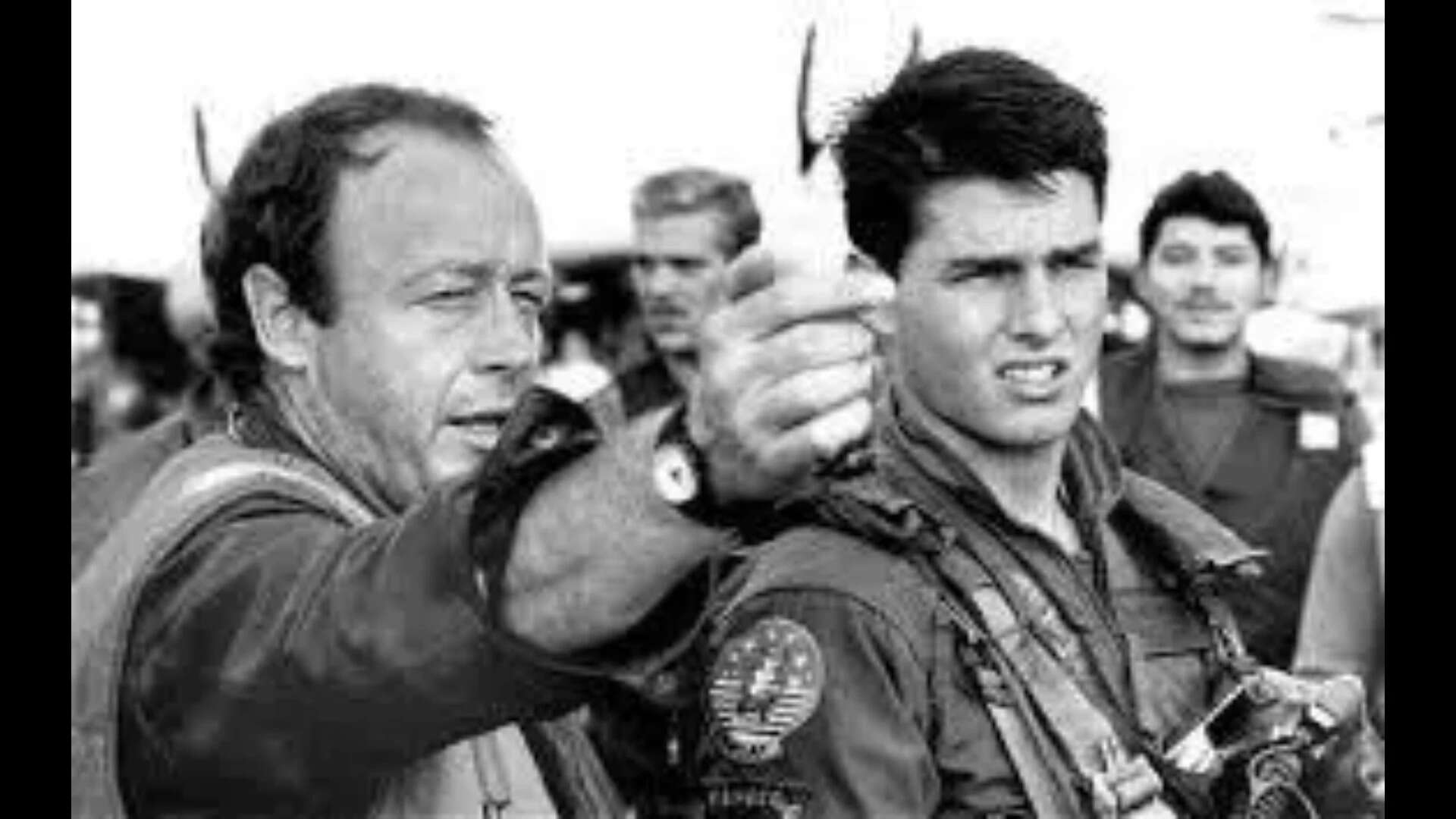
Superman represents moral hope. James Bond represents elegant power. Maverick represents velocity against fear. That is why the imagery remains unforgettable. Tony Scott understood this instinctively. He was less interested in realism than cinematic sensation. He filmed emotions like weather.
Tony Scott understood this instinctively. He was less interested in realism than cinematic sensation. He filmed emotions like weather. His camera turned movement into mythology. Without Scott’s visual genius, Maverick might have remained just another charismatic action hero.
Scott elevated him into a pop-cultural deity.
Tom Cruise is not just an actor anymore. He is an idea.
Forty years later, the world that created Maverick barely exists. The Cold War is over. MTV has faded. Movie stars have become rarer. Cinema itself competes with fragmented digital attention spans. Yet Maverick still flies across generations because the fantasy he embodies remains eternal. The fantasy of being exceptional without losing humanity. The fantasy of remaining free inside systems demanding obedience.
The fantasy of confidence masking fear. The fantasy of movement defeating stillness. And perhaps most importantly, the fantasy that coolness can still feel authentic rather than manufactured.That may be the real reason younger audiences continue falling in love with Top Gun, Maverick and Tom Cruise. He is not just a pilot anymore. He is an idea. And somewhere between Tony Scott’s glowing sunsets, Tom Cruise’s impossible charisma, roaring fighter jets, heartbreak, aviators, synth music, and pure cinematic confidence, that idea has become immortal.





 English (US) ·