

 4 days ago
11
4 days ago
11
ARTICLE AD BOX
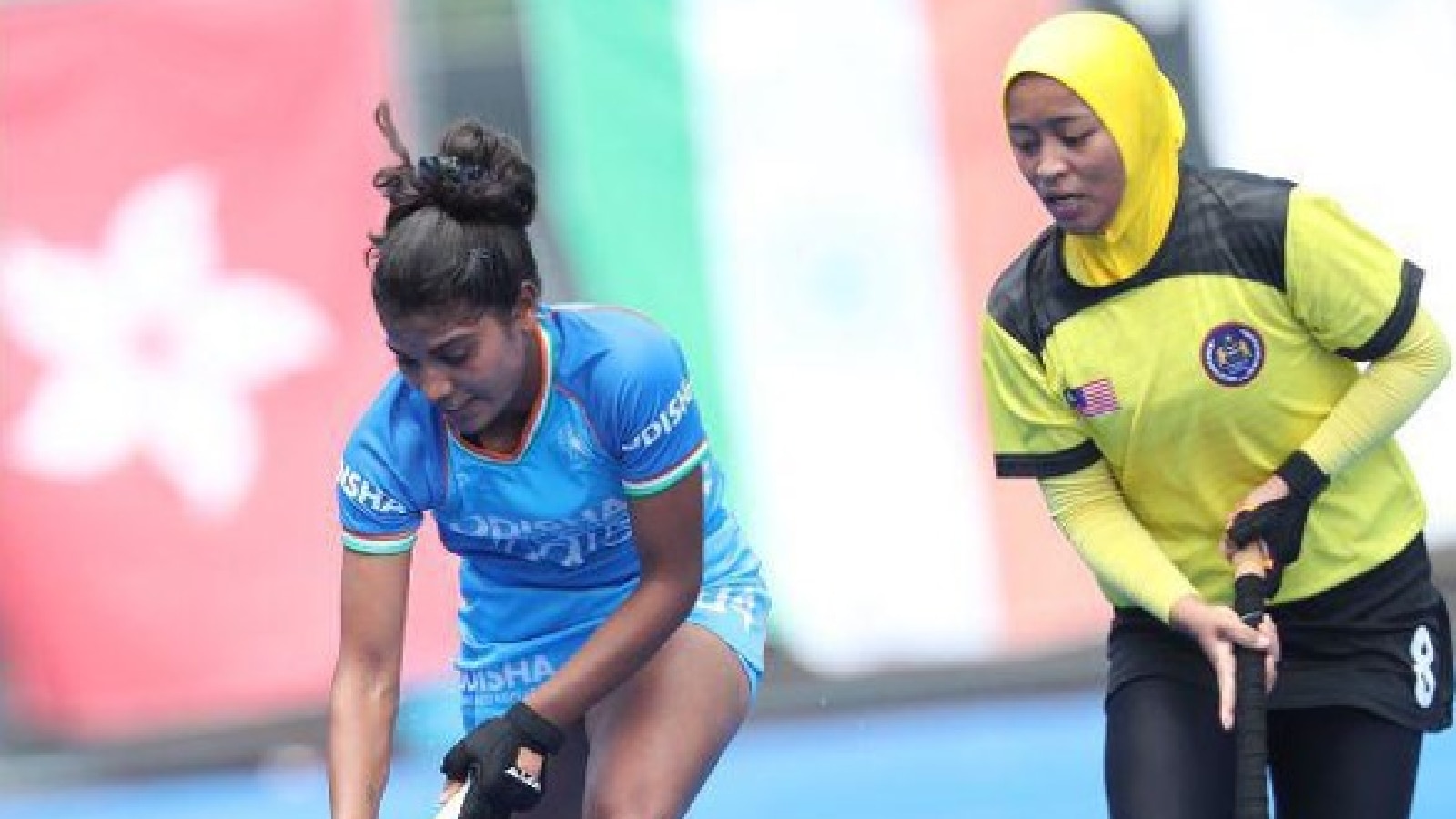 Preeti Panchal talks about how pollution has a direct impact on their training with running becoming harder, breathing becoming laboured, and many of the hockey players developing allergies. (Hockey India)
The window for athletes to train is shrinking in and around the National Capital Region because of toxic air in winter and searing summers. As the country makes a pitch for the 2036 Olympics, The Indian Express spoke to coaches and athletes from a wide range of sports — boxing, wrestling, athletics and para-athletics, cycling, shooting, hockey and also experts — on the impact of the conditions on health and training. International badminton stars, in Delhi last week for the India Open, have complained to the International Olympic Committee about the air pollution, and have cited health concerns
Preeti Panchal writes:
This happened some time ago. During a routine training session, I was chasing the ball at my usual pace when, all of a sudden, my breathing became unusually heavy. Within moments, it turned into a harsh bout of coughing, and the breathlessness kept getting worse. I had never experienced anything like it before, and for a while, I could not understand what was happening to my body.
A visit to the doctor brought some clarity. He explained that I had developed a respiratory condition triggered by air pollution in Sonepat, where I train at the Sports Authority of India centre. Sonepat, much like nearby Delhi, suffers from extremely poor air quality during the winter months. To make matters worse, there is a rice factory close to our training facility, and the dust from it constantly hangs in the air.
What followed was a difficult six-month period. I struggled with breathing issues, persistent coughing, throat infections and allergies. I would start to feel better for a few days, only to fall sick again, trapped in a frustrating cycle. Medication eventually helped, and I am much better now, but even today there are days when breathing does not come easily. And then, there’s severe itching when I start to sweat while playing.
Pollution has a direct impact on our training. Running becomes harder, breathing becomes laboured, and many of us develop allergies. When you are unable to breathe properly, you are forced to cut short your playing time, no matter how motivated you are. In winter, warm-ups take longer and our practice sessions stretch to two or two-and-a-half hours. In summer, sessions are shorter, but we are given breaks in between to recover.
While I am not scared that my long-term growth will be affected, I believe we learn to manage and adapt, better conditions would certainly help us perform at a higher level.
Another concern is the condition of our turf. Due to the surrounding dust, it deteriorates quickly and becomes slippery, leading to frequent injuries. Regular cleaning could go a long way in preventing this and ensuring player safety.
Story continues below this ad
I have experienced training in Bangalore as well, and the difference is striking. The weather there is far more balanced. Not too hot, not too cold, which allows us to train longer and better. In such conditions, if a player comfortably plays for 10 minutes, she can push himself to 12. In Sonepat, we often have to limit ourselves — if we have to be on the field for 10 minutes, we’ll somehow manage that but can’t think of going beyond that by putting extra effort.
We manage, but with cleaner air and better facilities, we could do so much more.
(Preeti Panchal was the captain of India’s hockey team at the 2023 Junior World Cup. She spoke to Mihir Vasavda)
© The Indian Express Pvt Ltd



 English (US) ·