

 4 days ago
6
4 days ago
6
ARTICLE AD BOX
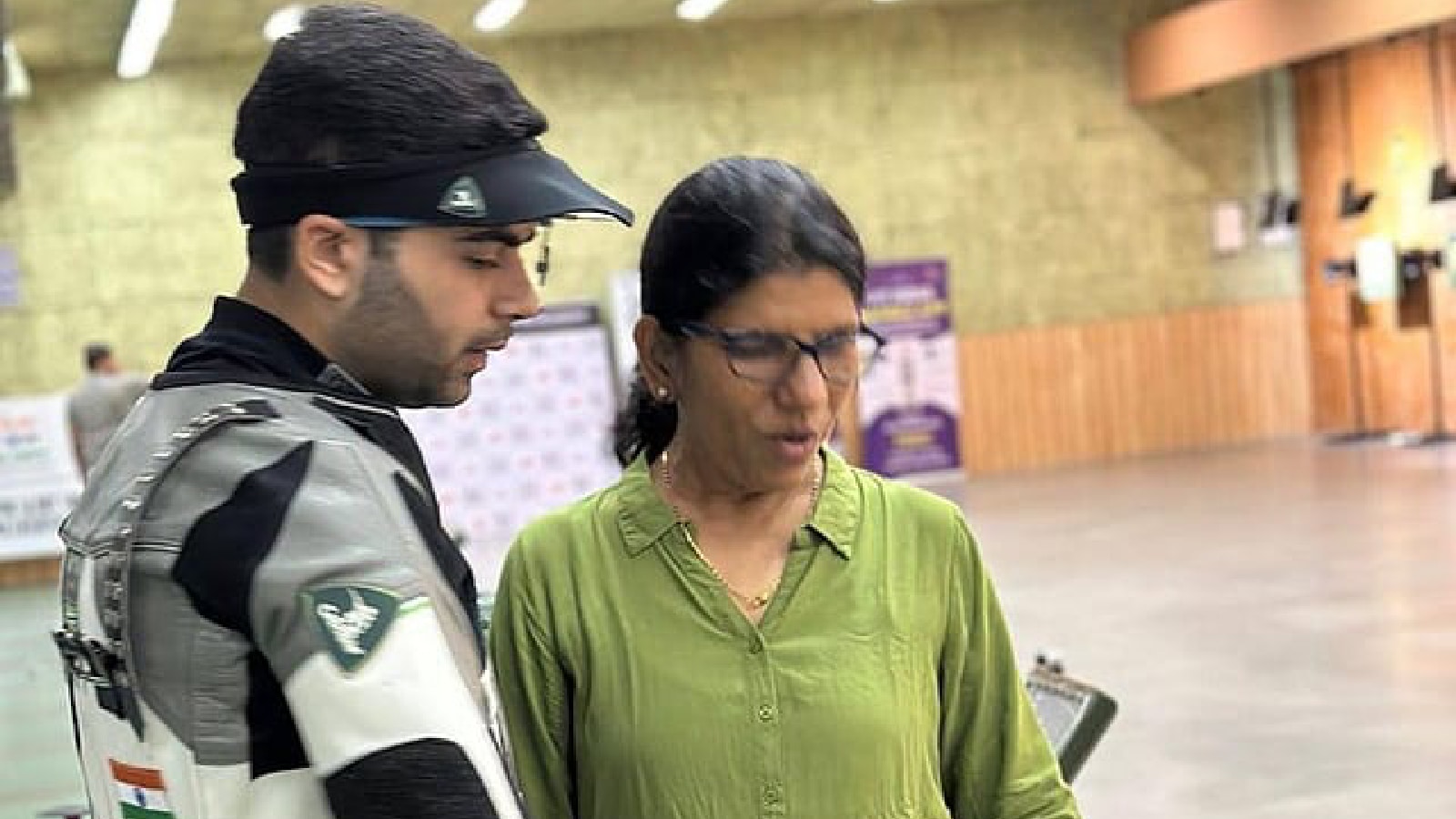 Deepali Deshpande (right) advocates for the use of indoor ranges during winters in India.
The window for athletes to train is shrinking in and around the National Capital Region because of toxic air in winter and searing summers. As the country makes a pitch for the 2036 Olympics, The Indian Express spoke to coaches and athletes from a wide range of sports — boxing, wrestling, athletics and para-athletics, cycling, shooting, hockey and also experts — on the impact of the conditions on health and training. International badminton stars, in Delhi last week for the India Open, have complained to the International Olympic Committee about the air pollution, and have cited health concerns
Deepali Deshpande writes:
Extreme weather does not just test a shooter’s endurance; it alters the very nature of sport. In shooting, where success depends on precision, calm and fine motor control, weather can quietly become the biggest opponent.
At one level, the impact is uneven. Ten-metre events are conducted indoors, so the effects are limited. But in outdoor disciplines like 25 and 50 metres, conditions play a decisive role. Winters, especially in northern India, bring their own set of problems. Athletes who travel from milder climates often find it impossible to train in Delhi during peak winter. The cold is biting even during the day, and everything — from the body to the equipment — starts behaving differently.
The transition from summer to winter is particularly tough. Summers are humid; winters are extremely dry. That dryness strips away grip; on the rifle, on the clothing, even between the athlete and the equipment. There is a general numbness that sets in. Fingers lose sensitivity, and you can’t feel the trigger. Shooting, after all, is a sport of feel. When you cannot feel the trigger or sense your posture, consistency becomes a challenge.
Summer flips the problem entirely. The heat is oppressive, sweat becomes a constant distraction, and even something as small as a strand of hair sticking to the face can feel unbearable. Sensations become too sharp, too intrusive. When the body is overwhelmed, focus on motor skills suffers.
Training schedules are forced to adapt. In peak summer, outdoor sessions are curtailed. Small preparatory groups train early in the morning, and we move to the finals hall, which is partially covered and air-conditioned.
Winters bring a different set of compromises. Training starts later to escape the cold, but daylight fades early. Fog, pollution, dust and smog often delay or disrupt sessions altogether. Visibility is non-negotiable in shooting; if the sighting is unclear, matches simply cannot begin. This is a challenge in 50m; due to the smog, the shooters can’t get a proper sighting of their target and so, there have been occasions when we had to delay training or matches. Then, there is the eye irritation because of the pollution, which causes blurring and thus impacts a shot.
Story continues below this ad
During winters, we move to Bhopal, where the weather and air quality is much better compared to Delhi.
But the long-term solution is clear: Indoor halls. Across Europe, where winters are far harsher, outdoor training simply stops. The answer has been indoor ranges. For a sport that is about precision and feeling, protecting conditions is a necessity.
(Deepali Deshpande is India’s rifle coach. She spoke to Mihir Vasavda)


 English (US) ·