

 1 hour ago
4
1 hour ago
4
ARTICLE AD BOX
3 min readUpdated: Mar 10, 2026 12:13 AM IST
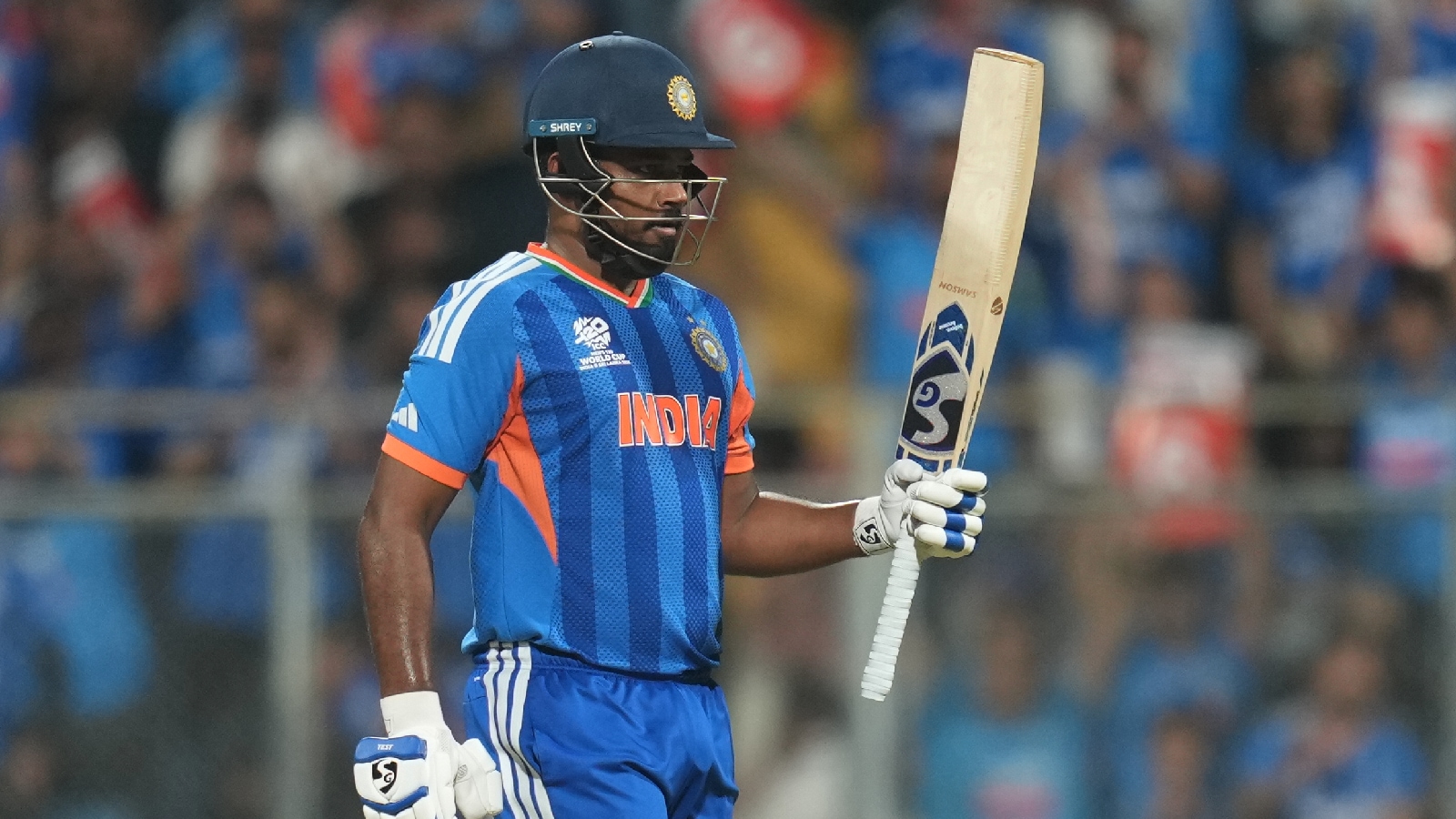
 India won T20 World Cup 2026 after defeating New Zealand in the final. (PHOTO: AP)
Following the conclusion of the T20 World Cup 2026, former England skipper Michael Atherton opened up on his conflicting views about the frequency of ICC events, questioning whether the world really needs a World Cup almost every year.
Atherton acknowledged the strong case for these tournaments, particularly for associate nations, for whom these events serve as the primary platform to showcase their talent and growth on the cricketing circuit.
“It’s why I’m a bit conflicted about the number of World Cups that we have. In a way, you think there’s going to be the law of diminishing returns. If you have a World Cup virtually every year, well, there’s essentially three World Cups every four years with the biennial T20 World Cup and then the quadrennial 50-over World Cup… that makes three out of every four years.”
“So you think gradually, you know, that there’ll be a law of diminishing returns. But equally, you know, people will say, who are supporters of the associate nations, that they want a T20 World Cup every two years because that’s the time that they have to showcase what they’re about and, you know, the time to get on the big stage,” he said after India defeated New Zealand by 96 runs in the final to win the ICC Men’s T20 World Cup 2026.
The 2024 and 2026 editions of the T20 World Cup featured 20 teams, meaning several smaller nations got an opportunity to compete at the highest level.
Continuing on the need for these ICC events, Atherton said: “So, somewhat conflicted about that, but obviously a global game is a good thing in theory and practice. T20 is obviously going to drive that. It’s long been, you know, we give the ICC a bit of stick from time to time. It’s long been their desire to globalise the game through T20,” he said on Sky Sports.
“It’s the obvious format because it narrows the gap and makes it more likely that games will be competitive, and that is working to some degree. In terms of giving teams more opportunity, it is difficult with the calendar sometimes. But when you think how many times England have played Scotland, for example, which I think is six times in our history, when they’re our next-door neighbors, there must be more opportunity to give a team like Scotland more chances when teams come and tour England, and indeed England themselves,” he added.






 English (US) ·