

 1 hour ago
4
1 hour ago
4
ARTICLE AD BOX
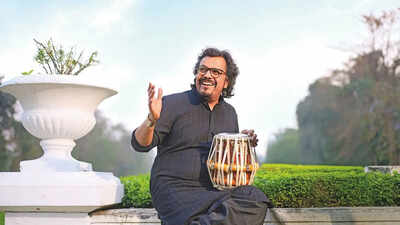
Bickram Ghosh playing the tabla
In an era when the tabla was expected to stay in the shadows, Bickram Ghosh chose to place it at the centre of a performance, reshaping rhythm into a language that could lead rather than follow. Son of tabla maestro Pt Shankar Ghosh and Sanjukta Ghosh, both deeply rooted in classical music, Bickram’s journey has been shaped as much by inheritance as by contrast.
Having spent his early years in the US before returning to India at six, studying at La Martiniere for Boys and later St Xavier’s, and growing up absorbing Western, Bollywood, and classical influences, he became, in his own words, “a melting pot.” As his ensemble Rhythmscape marks 25 years, he reflects on a journey driven by instinct, one that fused his many worlds, leading to his latest album Rhythmscape 2.0 and more.
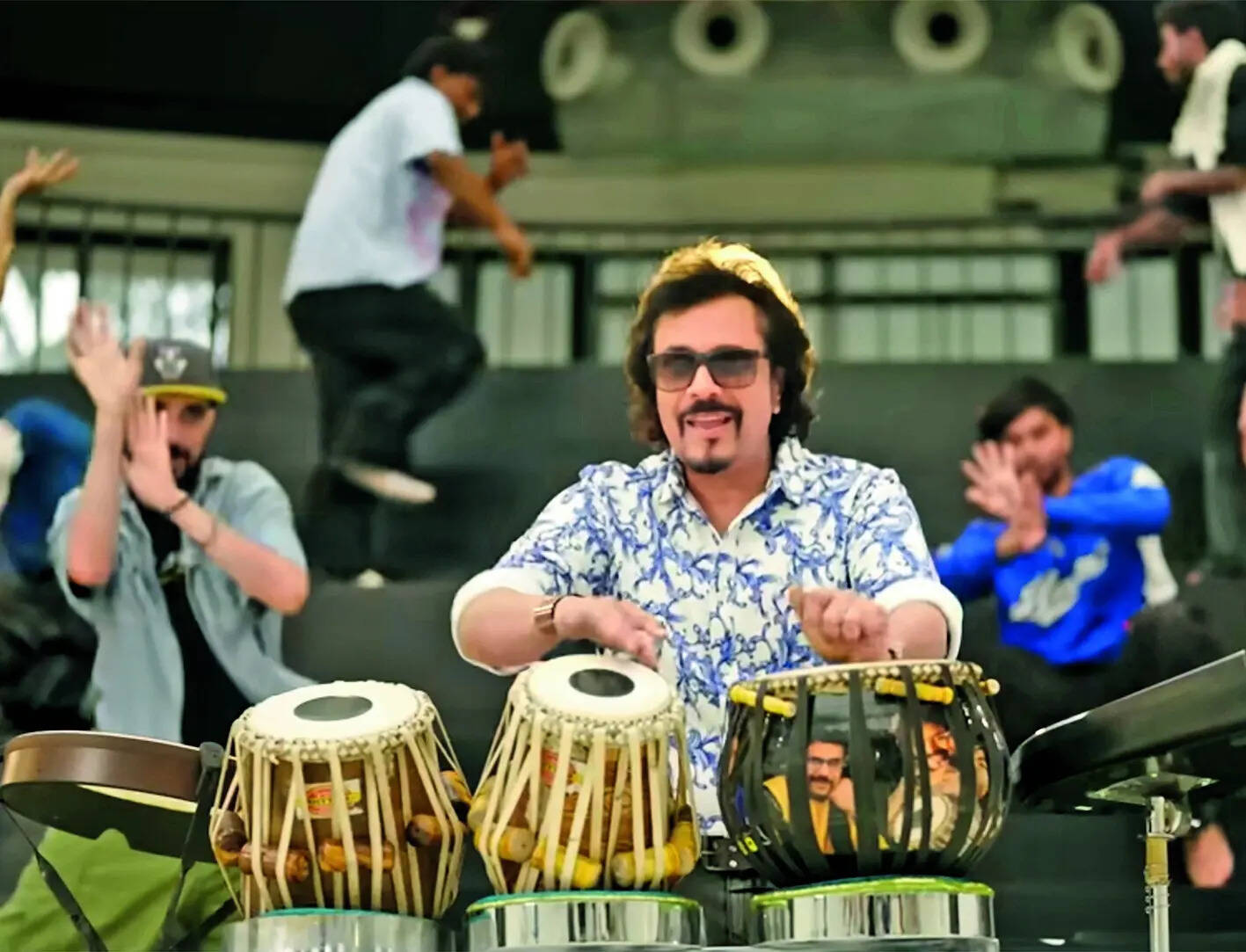
Bickram in a still from the video
Challenging the industry – and the idea of the tablaThe early days, however, were far from easy. “For one-and-a-half years, I was refused sponsorship. They kept asking, ‘Who is the singer? What songs are you going to perform?’” he recalls, underlining the industry’s inability to imagine a rhythm-led show. But once the music broke through, so did its image. “There was this guy with long hair, beads on his neck, a very contemporary approach, yet playing tabla and ragas,” he says.
That contradiction became his identity. Central to it was a clear intent. “I was becoming more and more sceptical about the role of the tabla being considered always to be an accompanying instrument. It deserves to be in the centre, under the limelight.”
Fusion, for me, was never about mixing rhythms for effect. It was about resolving the contradictions within me. Once that became clear, the music stopped feeling experimental
Bickram Ghosh
Reinventing reach in a changing music economyBack then, TV played a decisive role. “Our music videos used to play on a loop on music channels,” says Bickram, recalling an era of gatekeepers.
But he was already thinking ahead. “I built my own studio in 2006. I have had a full-fledged studio for 20 years now,” he notes. That foresight eased his move into streaming. “Today, you can make an album at half the price you did 25 years back,” he says. The reach is much simpler now.
“You are not asking someone to buy a CD anymore, you just share a link on social media platforms,” he adds, adding, “It’s easier to release music now, but harder to get noticed because everything is so crowded.”
The latest video marks a conscious shift. “This time, I wanted to bring different dance forms under one roof,” he says. “From Kathakali to hip hop, go ahead and dance to it.”
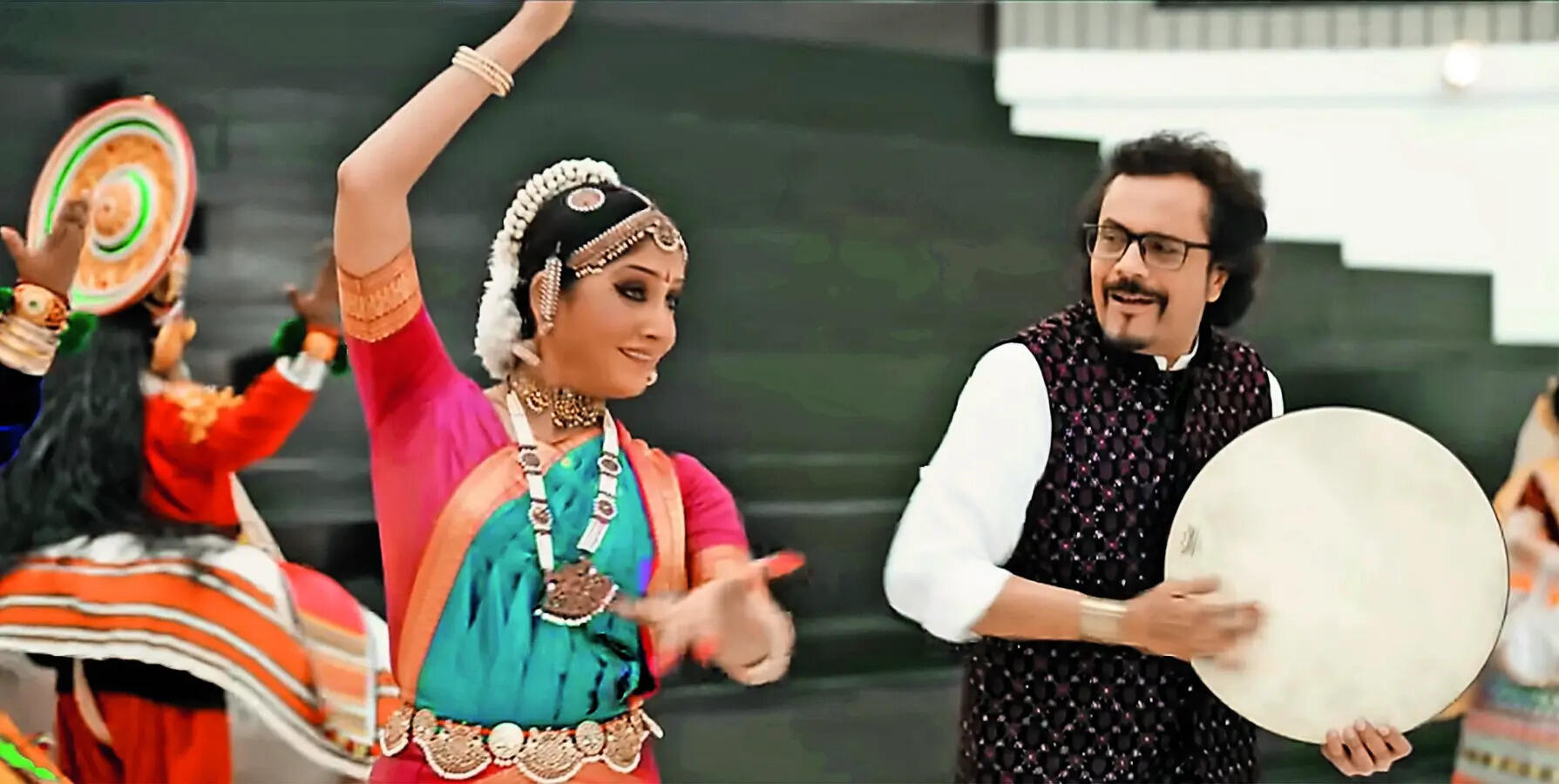
Bickram Ghosh and Jaya Seal Ghosh in a still from the music video Dance of Krishna from Rhythmscape 2.0
I think one of the biggest risks I took with Rhythmscape was not waiting for validation. There was no template for what I was doing, but instead it became the reason it worked
Bickram Ghosh
A cross-generational, cross-cultural movementWhat surprised him most was Rhythmscape’s afterlife in dance. “Almost everybody who is a dancer has choreographed to our music,” says Bickram, noting its reach across forms. That momentum has intensified, with the latest video from Rhythmscape 2.0 going viral within three days.
“The number of reels being made now is madness,” he adds. The audience remains strikingly young, with “nearly 80 to 85% below 30.” With Rhythmscape 2.0, he is building on this ecosystem.
“There are seven videos for seven tracks in the album, releasing at a gap of 7 to 10 days,” he says. The visuals reflect his core idea, shaped by earlier cross-form popularity, of blending classical dance with hip hop, much like his identity – shaped by many worlds.
Live performance has always been my anchor. No matter how platforms change – from CDs to streaming platforms – the real test is whether people feel something in the moment. That connection is what sustains everything else around it
Bickram Ghosh
Rhythms on the moveWith Rhythmscape 2.0 gaining traction, Bickram is already touring extensively. “We have already started travelling through May, June and July,” he says, adding that Europe is the focus this year, with the US planned for next. The journey continues across Indian cities as well. Collaboration remains central to the project. “Rhythmscape has always had collaborators: from Vishwa Mohan Bhatt to Tarun Bhattacharya,” he notes, and it would be the same with the ensemble’s 25th year celebrations too.
Rajesh Vaidya, who has also played in the newest album, will join him for a south India show, alongside more regional collaborations in the pipeline.
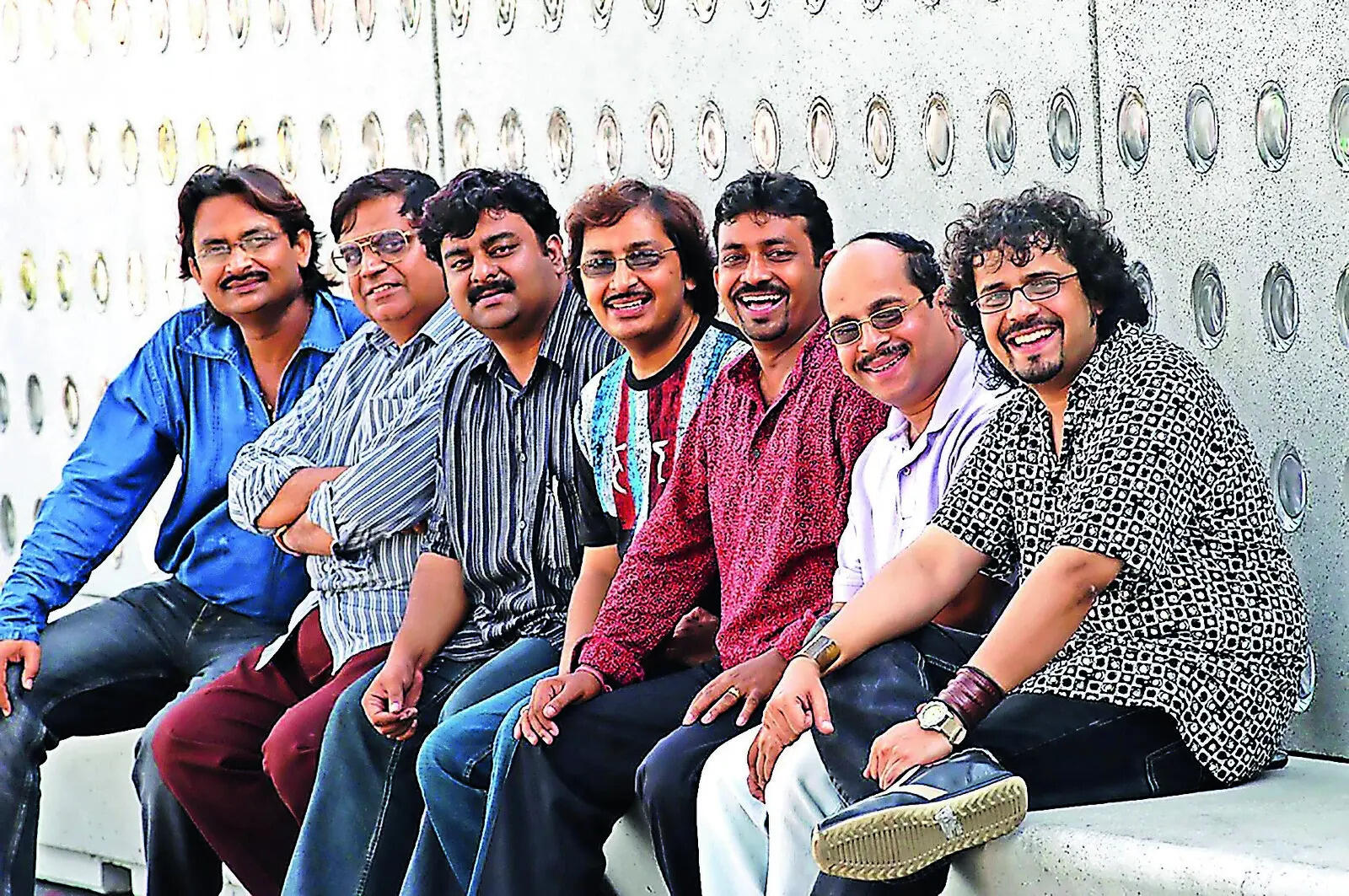
Bickram Ghosh with Jyotisankar Roy, Pt S Sekhar, Parthasarathy Desikan, Devsankar Roy, Pulak Sarkar and V Suresh during Rhythmscape’s maiden tour to Barcelona in 2003







 English (US) ·