

 1 hour ago
4
1 hour ago
4
ARTICLE AD BOX
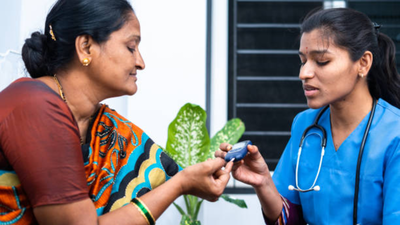
You have probably heard someone say, “It’s in my genes,” when talking about Diabetes. And they’re not completely wrong. If your parents or close relatives have diabetes, your chances of developing it do go up.
But here’s where it gets a bit misunderstood. Genetics can load the gun, but lifestyle often pulls the trigger.“Diabetes is one of the most common lifestyle diseases in the present world, particularly in countries like India where it is a hereditary cause. When one member in the family has diabetes it is often seen that other family members may also develop this condition due to genetic predisposition and similar lifestyle habits.
This being said, although there are medicines to treat diabetes, a slight change in lifestyle can affect the condition substantially.
Minor lifestyle changes that would affect the condition include intake of proper diet, exercise, sleep and stress management,” Dr. Aravind Badiger, Technical Director, BDR Pharmaceuticals told TOI Health. Genes don’t act alone. That’s the part people often miss. Two people can have the same family history, and one develops diabetes while the other doesn’t.
Why? Because everyday habits matter more than we think. What you eat, how active you are, how well you sleep, even stress levels, all of it plays a role.
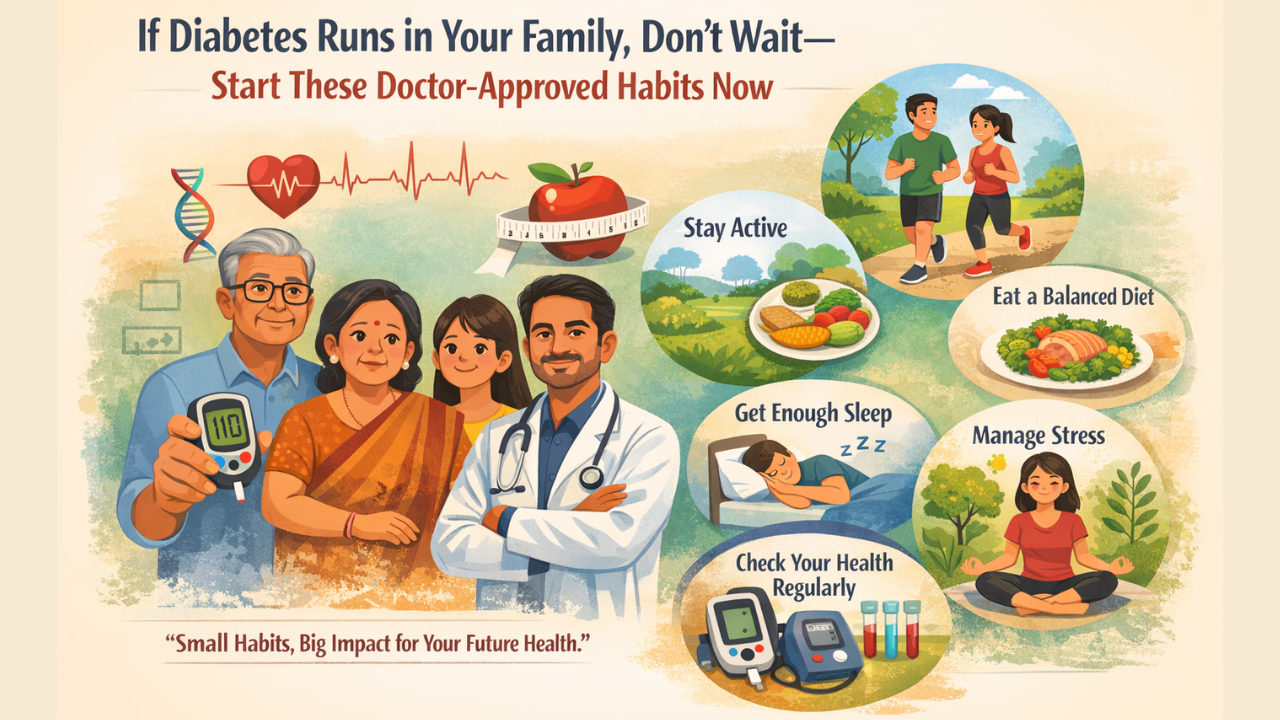
Image: AI
And sometimes, knowing you have a family history can actually work in your favour. It gives you a heads-up. You can start earlier, get regular check-ups, and make small changes before anything shows up in reports. Things like walking more, cutting back on sugary drinks, and not ignoring weight gain suddenly become more important.At the same time, there’s also this quiet fear attached to genetics. People feel like it’s inevitable. Like it’s going to happen anyway, so why bother. But that’s not true. Having a genetic risk doesn’t mean you’re guaranteed to get diabetes. It just means you need to be a bit more aware, maybe a bit more careful.Diabetes has quietly become part of everyday life in India. Almost every family knows someone dealing with Diabetes now.
And the numbers back that up. India has over 100 million people living with diabetes, making it one of the highest in the world. What’s more worrying is that another large group, close to 130 million, are in the prediabetes stage, which means they’re at high risk but may not even know it yet.And it’s not just older adults anymore. More people in their 20s and 30s are being diagnosed, especially with Type 2 Diabetes. A lot of this comes down to how daily life has changed.Dr. Aravind Badiger has shared lifestyle tweaks to keep diabetes risk at bay.
Encourage regular physical activity
An effective way of controlling diabetes is to be active physically. When the body is active muscles use glucose as a source of energy which helps lower blood sugar levels in the bloodstream. Make your parents inculcate physical activity such as brisk walking, cycling, doing yoga, swimming for at least 30 minutes on most days of the week. Even ‘small’ activities such as gardening, some other light housework, and taking a walk after a meal can be extremely beneficial.
Focus on balanced and mindful eating
The dietary advice for diabetics is to be more focused on the need to maintain a healthy and balanced diet rather than restricting certain foods. However, there should be an emphasis on the need to include a diet rich in fibre since both soluble and insoluble fibres are known to reduce the rate of glucose uptake by the bloodstream. This will help to reduce the chances of a sudden spike in blood glucose levels. Secondly, diabetics should try to maintain a regular meal routine since this will help the body regulate its insulin response.
Prioritise good sleep
Sleep is one aspect of diabetes management that is often overlooked. Adequate and good-quality sleep is an essential factor in the maintenance of normal levels of blood glucose. Sleep deprivation can cause insulin resistance and induce an increased appetite for carbohydrate-rich foods, making it difficult to control diabetes.Sticking to a sleep schedule, avoiding the use of screens before bedtime, and getting at least seven to eight hours of sleep are essential in the management of blood sugar levels and diabetes.
Manage stress effectively
Prolonged stress means someone who is stressed for a long time may have raised blood glucose levels, because stress hormones such as cortisol are being released into the blood. This makes diabetes even more difficult to control. Meditation, deep breathing exercises, yoga or even occupying leisure time on a hobby would be a positive method of controlling stress levels. A good source of support from family members can also be a key motivational factor for helping parents to follow through with their diabetes care.
Maintain regular health monitoring
Another important habit to develop in life is monitoring health. This helps in gaining valuable insights about a person’s health. Monitoring blood glucose levels, blood pressure, and cholesterol levels can give a person valuable insight about their health. Moreover, monitoring Hb1Ac levels after a few months is also important because it helps in understanding the average levels of glucose in a person’s blood.
This helps doctors get a better understanding of how well a person is managing their diabetes.
The power of small habits
It is not about blaming oneself for having diabetes; it is not about being hard on oneself. Rather, it is about being consistent in one’s daily routines. Doing small things every day, such as going for a walk after every meal, eating a balanced diet, sleeping sufficiently, and reducing stress, can greatly help in maintaining normal blood sugar levels.Not only is it good for the person with diabetes, but it can also benefit the whole family. Doing healthy things together as a family can lead to a healthy lifestyle. Even small changes in daily routines can have a big impact on health.Medical experts consulted This article includes expert inputs shared with TOI Health by: Dr. Aravind Badiger, Technical Director, BDR PharmaceuticalsInputs were used to explain the lifestyle tweaks one should make to reduce the onset of diabetes. The doctor has also suggested changes for those who are already diabetic.









 English (US) ·