

 1 day ago
8
1 day ago
8
ARTICLE AD BOX
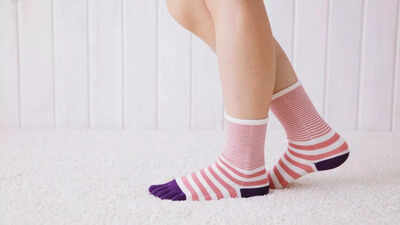
Deep sock marks on your legs might signal more than just tight clothing. Doctors warn that persistent indentations, especially when accompanied by swelling or discomfort, could indicate underlying circulation issues or fluid retention. Paying attention to these subtle body signals can prompt early medical evaluation for conditions like venous insufficiency, promoting better health.
Almost everyone has noticed it at some point. Socks come off at the end of the day, and faint lines appear around the ankles. In many cases, those marks are harmless. They simply reflect pressure from the elastic band of the sock.But sometimes the marks are deeper, linger longer, or appear along with swelling in the legs. Doctors say that when sock marks appear frequently and seem unusually deep, they may hint at a subtle issue happening beneath the skin — often linked to circulation or fluid balance in the body.The key point is simple: sock marks alone are not a diagnosis. Wearing tight socks will naturally leave marks. What matters is the pattern, persistence, and whether other symptoms appear alongside them.
Here’s all we need to know about what the body may be signalling through something as ordinary as sock marks can help people notice early changes in circulation, swelling, or vein health.
Why socks naturally leave marks on the skin
The skin on the lower leg is soft and easily compressed. When socks press gently against it for several hours, they temporarily indent the surface. That indentation becomes visible once the socks are removed.Most of the time, the mark disappears within minutes.
However, if there is mild swelling in the legs, the pressure from the sock compresses fluid in the tissue, leaving deeper impressions that can take longer to fade.Doctors describe this as peripheral edema, a condition where fluid accumulates in the tissues of the lower legs and ankles.A study available on the US NIH found that swelling in the legs is often linked to venous disorders and fluid buildup in tissues. Researchers observed structural changes in the skin and tissue layers in patients with venous edema, which improved once circulation support such as compression therapy was used.In simple terms, swelling changes how the skin reacts to pressure, and sock marks can become more visible.
What vascular specialists say about sock marks
Doctors who treat vascular diseases often see patients who notice these marks long before they realise there may be a circulation issue.Dr Varun Bansal, senior consultant, cardiothoracic and vascular surgery, robotic surgery, Indraprastha Apollo Hospitals, explains that these marks can sometimes signal deeper circulation problems.He says, “If you have noticed that your socks always leave a mark on your legs, it may be an important sign that your health is not in the best condition. While minor sock marks may arise from wearing tight elastic bands for long hours, serious sock marks may arise from underlying health complications such as poor circulation, fluid retention, and venous insufficiency. Venous insufficiency arises when veins in the legs have difficulties in pumping blood back to the heart, resulting in mild swelling in the lower parts of the legs.
”The statement highlights an important point: sock marks themselves are not dangerous, but they can reveal underlying changes in blood flow or fluid balance.

Doctors explain that conditions such as venous insufficiency, fluid retention, or prolonged inactivity can cause fluid buildup in the lower legs, making sock marks appear deeper.
The circulation problem doctors often look for
One of the most common conditions associated with persistent sock marks is venous insufficiency.In healthy veins, small valves push blood upward from the legs toward the heart. When those valves weaken or become damaged, blood can begin to pool in the lower legs.This creates pressure inside the veins and leads to swelling.Medical experts explain that venous insufficiency occurs when veins struggle to move blood back to the heart, allowing fluid to accumulate in the legs and feet. This buildup often causes heaviness, swelling, skin discoloration, or aching in the legs.When the lower legs are already slightly swollen, the elastic band of socks presses into the tissue more deeply, leaving noticeable marks.
Who is more likely to notice these marks
Certain lifestyle patterns make people more prone to swelling in the legs.Dr Bansal explains that several health and lifestyle factors can contribute to this issue.He notes, “Individuals who spend long hours sitting, standing, have a sedentary lifestyle, are overweight, and people suffering from heart diseases, renal diseases, and diabetes may also have this condition. Sock marks may also arise from conditions such as edema, where there is an accumulation of fluid in the tissues of the legs and ankles.”Modern work routines often make this worse. Desk jobs, long commutes, and reduced daily movement slow down circulation in the lower body.Research on leg edema in immobile individuals has shown that reduced muscle movement can significantly contribute to fluid accumulation in the legs.The calf muscles act like small pumps that push blood upward. When the legs remain still for long hours, that pumping action slows down.
The warning signs that should not be ignored
Doctors say sock marks alone are rarely a reason to panic. But certain symptoms appearing along with them should not be ignored.Dr Bansal advises paying attention when other signs accompany the marks.He says, “It is recommended that if the presence of these sock marks is coupled with swelling, heaviness of the legs, discoloration of the skin, and discomfort, a doctor must be consulted.”Persistent swelling may indicate circulation problems that require evaluation.Swelling that occurs in only one leg, sudden pain, or redness should also be assessed quickly because these symptoms can sometimes signal more serious vascular conditions.Early medical evaluation can help prevent complications before they progress.
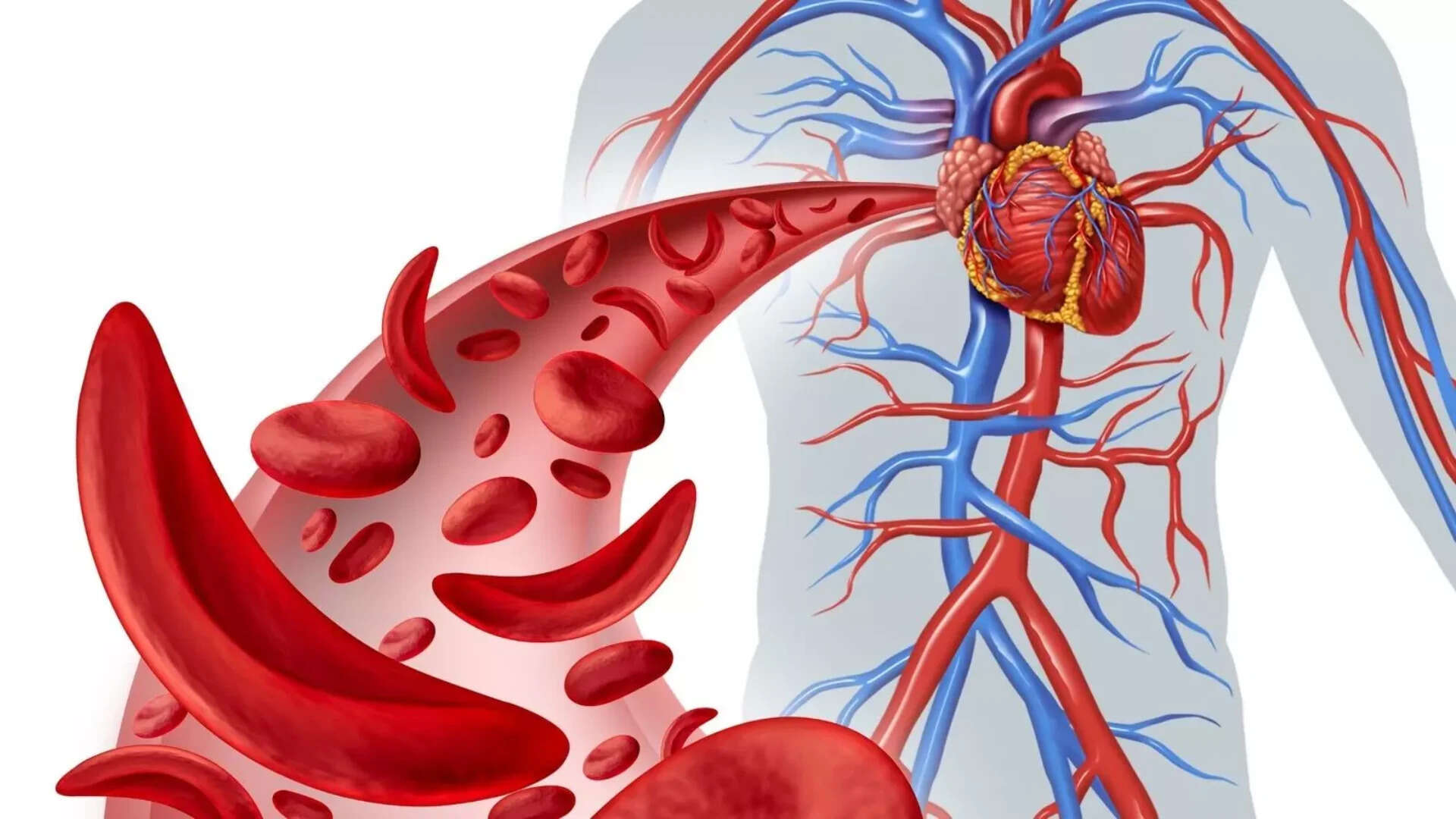
Healthy habits such as regular walking, leg elevation, and maintaining a healthy weight can help support circulation.
Small habits that can improve circulation
Circulation in the legs often improves with simple daily habits.Dr Bansal points out that lifestyle adjustments can make a meaningful difference.He explains, “Simple lifestyle changes, such as increased physical activity, leg elevation, a healthy weight, and avoidance of tight socks, can aid circulation. However, these symptoms must never be taken lightly, as they could lead to more serious complications if they remain untreated.”Walking regularly is particularly beneficial. Movement activates the calf muscles, which push blood back toward the heart.Even standing up and stretching every hour during long workdays can help maintain healthy circulation.
The quiet wisdom of noticing small body signals
Health problems rarely appear suddenly. They often reveal themselves through small, everyday signs long before serious symptoms develop.A simple sock mark may seem trivial. Yet sometimes it reflects how the body manages blood flow and fluid balance.Paying attention to those quiet signals helps people understand their bodies better. It also encourages earlier medical guidance when something does not feel right.Sometimes the most ordinary moments, like taking off a pair of socks, can remind someone to care a little more for their health.Medical experts consultedThis article includes expert inputs shared with TOI Health by:Dr Varun Bansal, senior consultant, cardiothoracic and vascular surgery, robotic surgery, Indraprastha Apollo Hospitals.Inputs were used to explain why deep sock marks on the legs may sometimes signal underlying circulation or fluid retention issues, and when doctors say it may be important to get it medically evaluated.









 English (US) ·