

 1 week ago
6
1 week ago
6
ARTICLE AD BOX
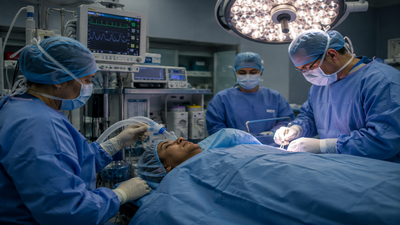
A hidden genetic vulnerability, stemming from a single colonial marriage in the late 1600s, can turn routine medical procedures into life-threatening crises for some South Africans. Image Credits: ChatGPT
When we prepare for a routine medical procedure or a minor surgical operation, we may picture a scene of clinical comfort. We picture a brightly lit, sterile operating room, highly trained doctors checking modern digital monitors, and an anesthesiologist calmly promising that we will simply fall into a deep, temporary sleep before waking up completely unharmed.
For generations, modern sedation has been regarded as a major medical advance. The common belief is that these synthetic sedatives are generally safe and predictable tools for managing pain during recovery.But a closer look at the hidden architecture of human genetics reveals a completely different narrative of vulnerability and historical coincidence. Tucked away within the biological code of many families is a hidden vulnerability that can alter how the body processes some pharmaceuticals.
For these individuals, a routine dose of standard surgical drugs can trigger a serious physiological crisis. This life-threatening medical condition can remain unnoticed for years, passing from generation to generation until a routine procedure reveals it.This profound medical legacy was meticulously unravelled in a book by Dr Geoffrey Dean, titled The Turnstone: A Doctor's Story. The book describes how a genetic vulnerability spread through a population after a single colonial marriage in the late seventeenth century.
By tracing the complex genealogical records of thousands of modern patients across several centuries, the author demonstrated how a specific genetic mutation spread rapidly through an expanding population, turning a rare global anomaly into a major regional healthcare challenge.Tracing a silent vulnerability from a single historical unionTo understand how one family could shape later medical risks, it helps to look at the region's social history.
In the late 1600s, the Dutch East India Company was actively trying to establish a permanent agricultural settlement at the Cape of Good Hope. To stabilise the young colony, the company arranged for groups of young women, many of them raised in municipal orphanages in the Netherlands, to travel across the ocean to marry local settlers.
It was during this migration that Gerrit Jansz van der Heever married Maria de la Quellerie, creating a family tree that would eventually branch out into tens of thousands of individuals.The precise biological mechanism responsible for this inherited vulnerability was later isolated in a landmark genetic research study published in the journal Nature Genetics. The paper explains that the original ancestral couple carried a specific mutation in their DNA that disrupts the body's ability to produce heme, a vital component of haemoglobin. Because this genetic trait is inherited in an autosomal dominant pattern, a child needs to inherit the altered gene from only one parent to carry the condition.The study reports that this single base-pair transition reduces the activity of a crucial metabolic enzyme. Under ordinary daily conditions, individuals carrying this mutation may appear healthy and show no symptoms. However, exposure to triggers such as certain barbiturates, sulfonamides, or general anaesthetics can disrupt the metabolic pathway. The liver becomes overwhelmed by toxic byproducts, causing severe neurological damage, intense abdominal pain, and a dangerous spike in blood pressure.
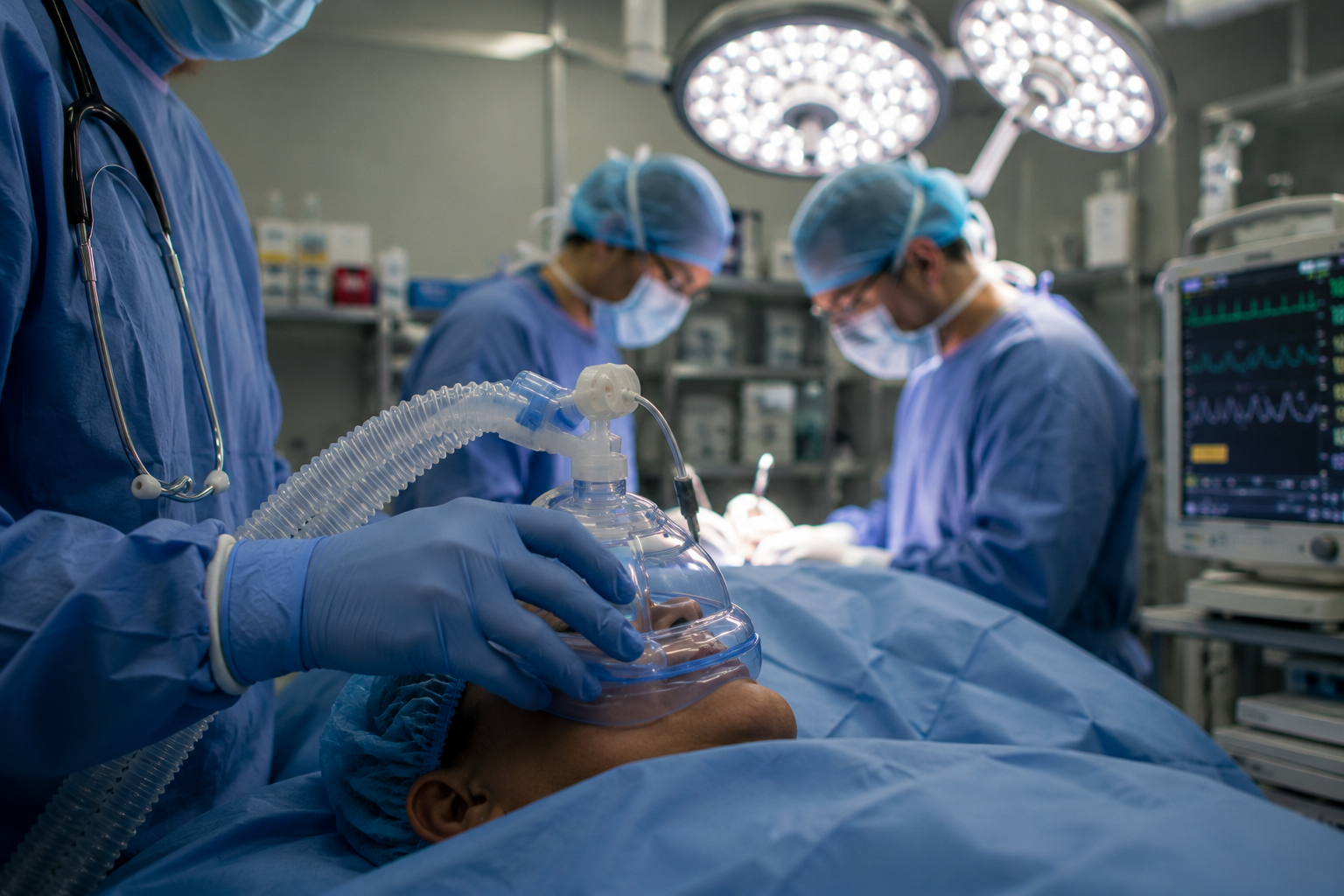
This inherited trait, affecting heme production, can cause severe reactions to common sedatives. Medical teams now screen for this specific marker, altering anesthetic guidelines to protect a population unknowingly carrying this historical legacy. Image Credits: ChatGPT
The modern medical fight to protect a vulnerable populationThe insights from mapping this lineage have influenced how some hospitals in Southern Africa approach pre-surgical safety. For a long time, unexpected deaths on the operating table were often attributed to generic heart failure or unexplained allergic reactions. However, the recognition that many citizens share a genetic link to a single seventeenth-century household led to changes in local anaesthetic guidelines.
Today, medical teams routinely screen patients for this specific genetic marker, maintaining strict registries of safe, alternative sedative choices that will not trigger a metabolic crisis.According to the above-mentioned research, the rapid spread of this condition is an example of a founder effect. Because the early colonial population grew from a small pool of initial families, certain inherited traits became more common over the generations.
The study notes that this metabolic disorder is rare in much of the world but more common among some South Africans with that ancestry.This history shows how migration can shape modern clinical medicine. By showing how a marriage arrangement made more than three hundred years ago can still affect hospital care today, the research shows how history can shape inherited risk. Recognising that a small genetic change can make some drugs dangerous encourages doctors to ask about family history when planning surgery.









 English (US) ·