

 1 week ago
7
1 week ago
7
ARTICLE AD BOX
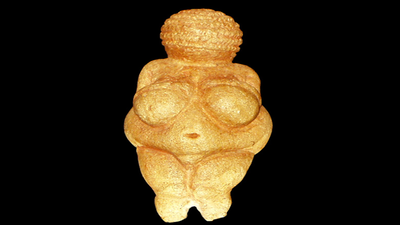
Venus von Willendorf, iconic prehistoric fertility figure! Image Credit: Wikimedia Commons
On the 7th of August 1908, a group of workers who were digging in Willendorf II in Lower Austria found a small female figurine carved from limestone, which would eventually be one of Ice Age art's most famous faces.
The dig, under the direction of archaeologist Josef Szombathy, took place along the left bank of the Danube. This location is extremely relevant since it was an important route for early modern human travel across Europe. Though later popular myths typically describe the finding as just a chance stroke of luck, the truth is that it originated from a planned scientific excavation. The object was discovered within the Gravettian layer and quickly recognized as a unique find.
Although it is only 110 millimetres tall, it has historical significance far beyond its size.Small, compact size but a clear imageThe sculpture’s physical features offer insight into prehistoric workmanship. According to research that was published in Scientific Reports, the sculpture is carved from oolitic limestone and then covered with a red pigment (ochre), suggesting a deliberate finish instead of raw carving. The figurine lacks detailed facial features and emphasises the breasts, hips, abdomen, and thighs.
At about 11 cm tall, it fits in the palm and is highly portable, yet its exaggerated features attract close study. Incredibly, oolitic limestone does not outcrop locally around Willendorf, which means that either the base material or final product had to originate from a different location.What made one figure matter in such a wayThe Venus of Willendorf is a key example of portable Upper Palaeolithic art. An extensive review published in Evolution Medicine & Public Health puts such Venus figurines among the first types of art that were portable and can be found in Europe and calls the Willendorf statue one of the best-known instances ever discovered.
The Willendorf figurine helps archaeologists understand symbolic behaviour in the Upper Palaeolithic. The study argues that these objects were part of a broader symbol system spread across Eurasia during the Gravettian period. By linking a single excavation trench in Austria to a wider prehistoric network, the sculpture helps researchers understand how people shared ideas and cultural practices across vast distances.
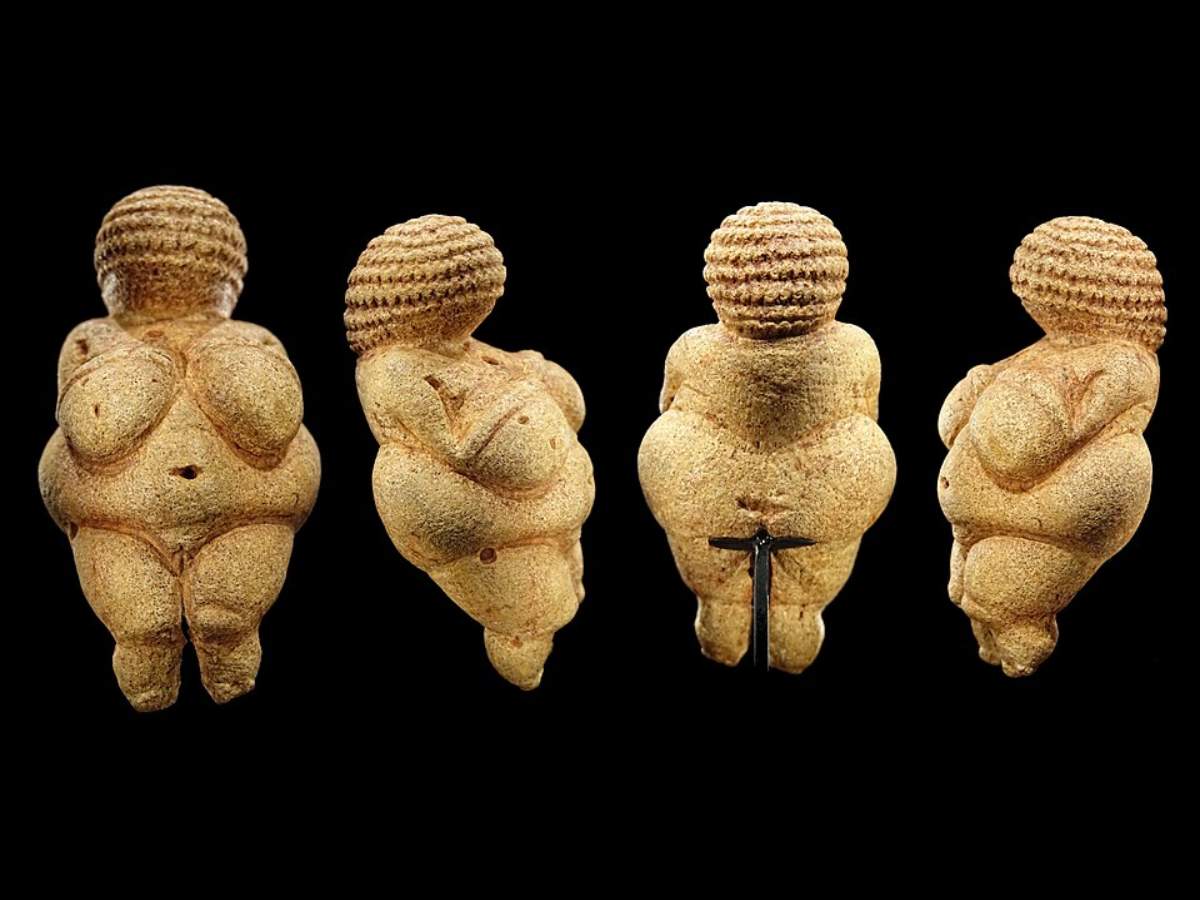
Venus of Willendorf as shown at the Naturhistorisches Museum in Vienna. Image Credit: Wikimedia Commons
The discussion on what it meansResearchers have debated the figurine’s meaning for more than a century; no consensus has emerged. Early researchers interpreted the figurine as a symbol of fertility or idealized feminine beauty. More recent research has suggested that the body shape may reflect adaptation to harsh climates and possible nutritional or reproductive advantages. Part of the figurine’s significance lies in its ambiguity.
It has prompted generations of archaeologists to debate bodies, ritual, and identity without a single agreed answer.
The figurine remains a window into how Ice Age humans interpreted their world.New scans provide answers to older questionsIn 2022, high-resolution micro-CT analysis provided strong evidence addressing a longstanding question about the stone’s source. Using high-resolution micro-CT scans, researchers analysed the limestone’s internal structure to pinpoint its source.
The team of researchers found that the rock matched the oolitic limestone found in a region located in northern Italy, which suggests that the sculpture or materials travelled for hundreds of miles through the Alps.
This finding supports the idea that materials or objects moved across long distances, implying contacts or exchange among Gravettian groups. It suggests that some Ice Age communities were mobile and connected. More than a century after its discovery, the small limestone figurine still challenges our understanding of early human culture.









 English (US) ·