

 1 day ago
4
1 day ago
4
ARTICLE AD BOX
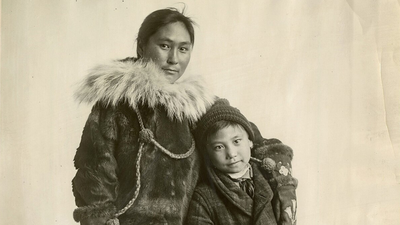
Ada Blackjack with her son Bennett, 1923 | Wikimedia Commons
When Ada Blackjack agreed to join an Arctic expedition in 1921, she wasn’t seeking fame or adventure. She was a young Iñupiat woman from Alaska, and accepted the job as a cook and seamstress because she desperately needed money to pay for treatment for her son, who had tuberculosis.
Instead, she found herself stranded on the remote Arctic outpost of Wrangel Island, where every other member of the expedition either died or vanished. By the time a rescue ship reached the island in August 1923, Blackjack had survived alone for nearly two months by trapping Arctic foxes, hunting birds, sewing warm clothing, repairing equipment, and documenting her ordeal in a diary.
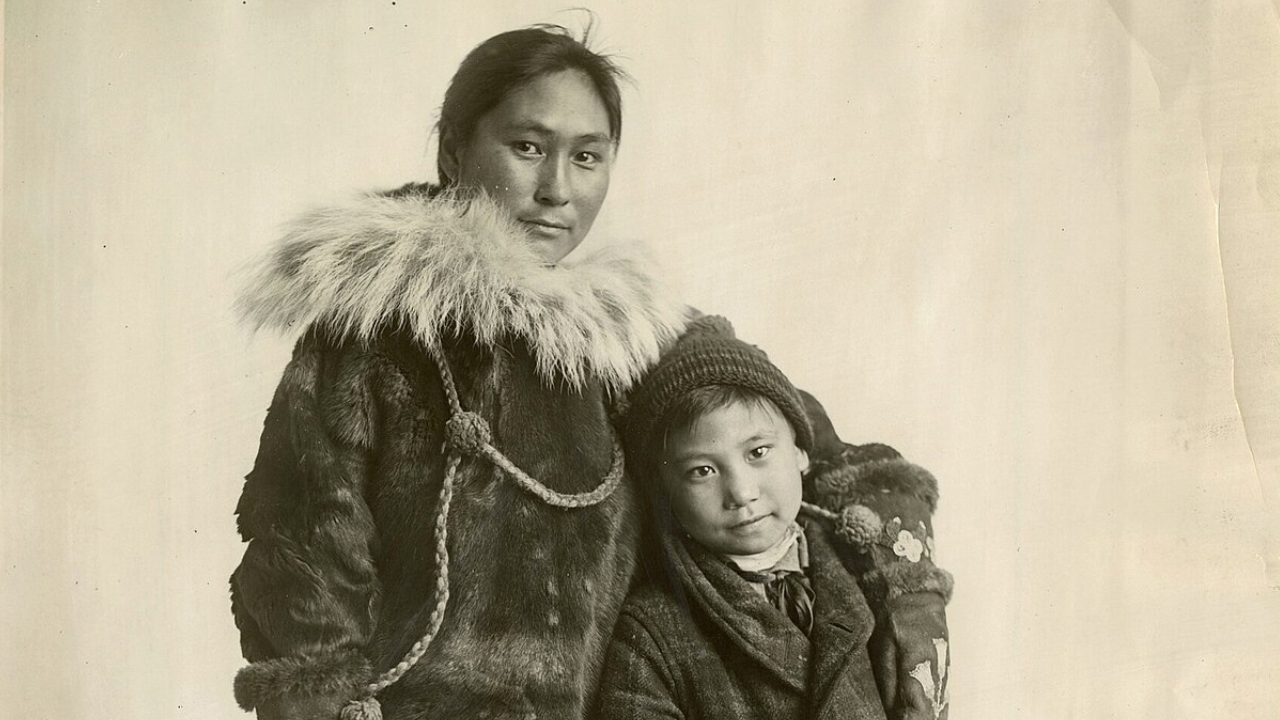
Ada Blackjack with her son Bennett, 1923 | Wikimedia Commons
A mission that turned into a disasterAs per the U.S. National Park Service, the expedition was organized by Arctic explorer Vilhjalmur Stefansson, who hoped to establish a settlement on Wrangel Island.
Blackjack joined four male explorers despite having little experience hunting or surviving independently in the Arctic.The first year passed with manageable conditions, but food supplies steadily dwindled. In January 1923, expedition leader Allan Crawford, along with Fred Maurer and Milton Galle, attempted to cross the frozen sea to Siberia to seek help, but they were never seen again. Blackjack remained behind with Lorne Knight, who had become critically ill with scurvy.
She cared for him for months until he died on June 23, 1923, leaving her completely alone except for the expedition’s cat, Vic.Learning to survive aloneUntil then, Blackjack had primarily worked as a seamstress and caregiver. Alone on the island, she quickly adapted. According to her diary and later historical accounts, she learned to trap Arctic foxes, shoot birds, build skin boats, reinforce her shelter against polar bears, collect eggs, gather driftwood for fuel, and continue sewing warm clothing while coping with isolation and symptoms of scurvy.She also maintained a careful journal, recording both practical details and her longing to return to her son. Her writings reveal that she continued preparing for rescue each day, never knowing whether help would arrive before another Arctic winter.
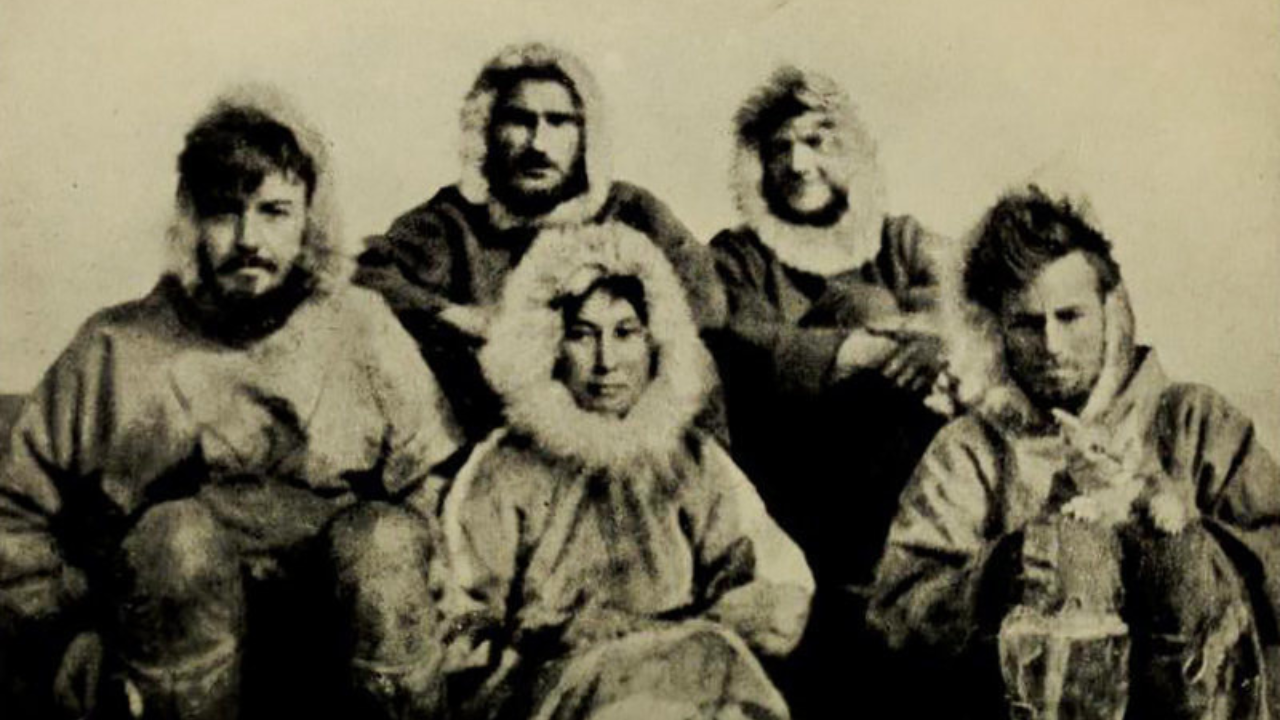
1921 Wrangel Island Expedition team | Wikimedia Commons
Rescue after nearly two yearsOn August 20, 1923, Blackjack awoke to the sound of a ship approaching through the fog. It was the rescue vessel led by Harold Noice, who had been sent to search for the expedition.
Expecting to see her companions return, Blackjack instead learned that she was the expedition’s only survivor.Although newspapers soon portrayed her as a “female Robinson Crusoe,” Blackjack largely avoided publicity after returning to Alaska. She used her earnings to help care for her son and lived much of the rest of her life away from public attention. Today, historians regard her survival as one of the most remarkable feats in the history of Arctic exploration, made even more extraordinary because she had joined the expedition not as an explorer, but simply as a mother trying to earn money for her child.









 English (US) ·