

 1 week ago
8
1 week ago
8
ARTICLE AD BOX
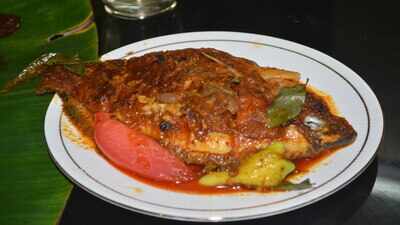
Kerala's beloved state fish, the karimeen, faces local extinction in the Veli-Akkulam estuary. Invasive African tilapia, introduced decades ago for food security, have overwhelmed native species. Image Credits: Wikimedia Commons
Coastal life in Kerala has long revolved around its water bodies. Local fishermen have long depended on the backwaters for their catch.That delicacy is the karimeen, also known as the pearl spot fish.
This native species is so beloved that it was officially declared Kerala’s state fish. It is a staple on dinner tables and a major symbol of the regional culinary identity.But a problem is developing beneath the surface. One of the native fish’s habitats has been emptied of the species. And who is responsible for this? It is an invasive species that was introduced decades ago for practical reasons.A major breakthrough in understanding this ecological disaster comes from a newly published study. The detailed scientific paper looked closely at the changing conditions of these waters by using advanced environmental modelling to show how a single introduced species can trigger a massive collapse.In 1952, African tilapia was brought to India for the stocking of ponds in the area and to increase food security. This species was valued for its fast growth rate and tolerance of harsh environments.Few anticipated how easily these fish would escape into the wild. Over the next seventy years, the introduced species bred without limits. They gradually spread through connected waterways and entered natural ecosystems across the country.
Now, that historical decision has significantly altered the environment. The invasive species has successfully taken over the Veli-Akkulam estuary on the Thiruvananthapuram coast. In the process, it has driven the iconic native pearl spot fish to total local extinction.Taking place in silence beneath the surfaceEstuaries are known to be an extremely dynamic and stable ecosystem. They form an important area where river water mixes with the saline water of the ocean.
It is an ideal breeding ground for many species of marine animals.The Veli-Akkulam estuary used to be a flourishing ecosystem inhabited by numerous types of local flora and fauna. It was not difficult for the local fishermen to load their vessels with various kinds of local catch. The ecosystem’s food chain used to function properly, keeping everything in order.That balance has been disrupted by the arrival of invasive African tilapia.
Tilapia are resilient and can thrive in polluted or stagnant waters. They also reproduce at an astonishing rate, overwhelming local species through sheer numbers.
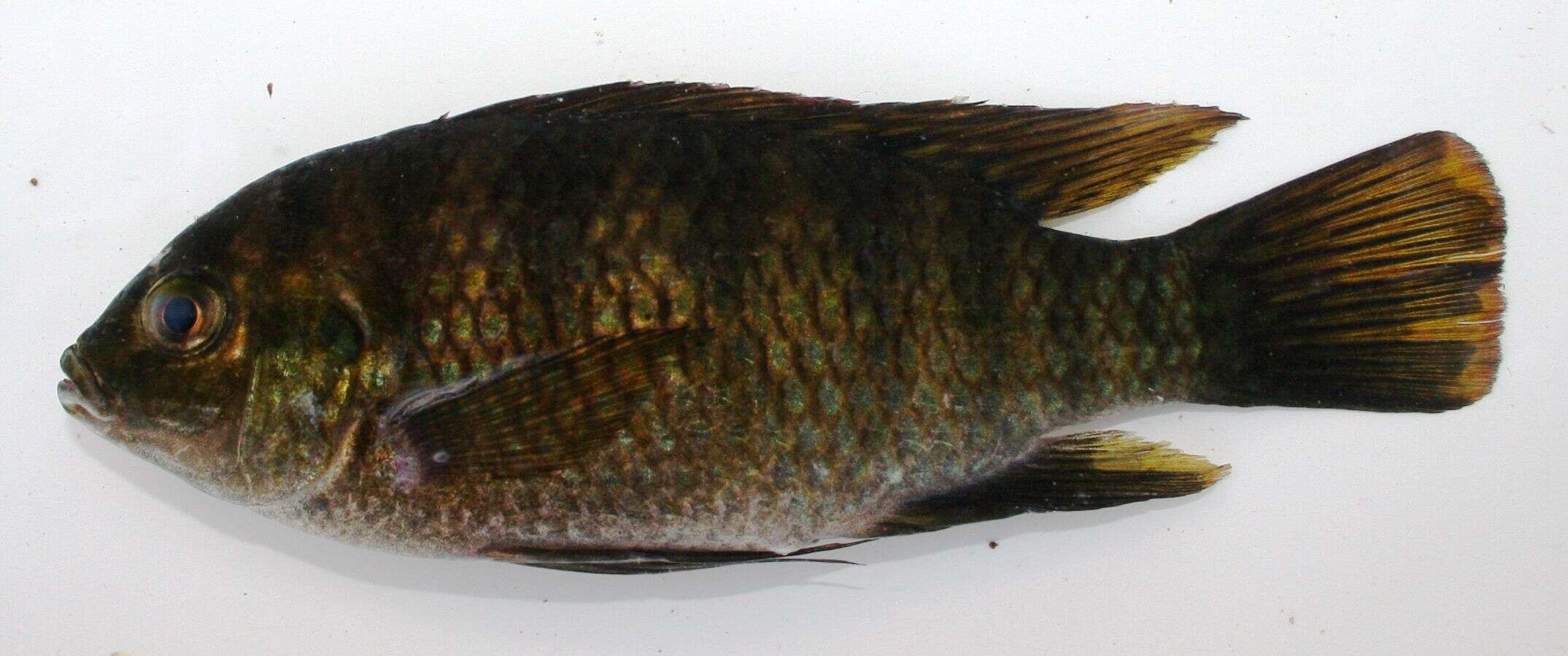
This ecological disaster highlights the devastating impact of introduced species on aquatic ecosystems and local livelihoods. Urgent action is needed to restore the estuary's biodiversity and protect the region's cultural heritage. Image Credits: Wikimedia Commons
The study found that biological invasions are not isolated events affecting a single species. Instead, they cause massive, permanent changes to the entire structure of the aquatic food web. When an aggressive species dominates the food supply, the natural links that keep the ecosystem healthy begin to snap one by one.It has been noticed that there is an increasing trend of simplification of a complicated ecosystem into an unstable one. The efficiency of the estuarine ecosystem decreases due to the invasive feeding, and therefore, the native fish do not have many options left for feeding and breeding.The vanishing emblem of KeralaThe vanishing of the pearl spot fish from the Veli-Akkulam estuary is a loss to the local fishermen.
For long years, the fishing of pearl spot fish was the occupation of the locals. Now their nets are full of invasive species.The estuary has shifted from a diverse habitat to one dominated by a few alien species. Along with the tilapia, other destructive creatures like the Amazon suckermouth catfish have also gained a foothold in the degraded waters.Environmental scientists say action is needed to protect the region's aquatic biodiversity.
They are calling for targeted removal programs to reduce the number of invasive fish. Officials are reportedly considering reintroducing native species.Restoration of the estuary will need a combined effort by the government and the community. This will involve restoration of water flow, reduction of pollution from cities, and management of the animal population.If action is not taken, there could be irreversible harm to the culture and biodiversity of the backwaters. This can be seen from the example of the Veli-Akkulam estuary.









 English (US) ·