

 6 days ago
5
6 days ago
5
ARTICLE AD BOX
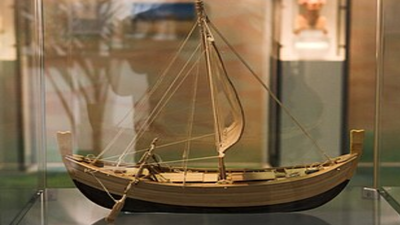
The Uluburun Shipwreck is a Late Bronze Age shipwreck dated to the late 14th century BC, discovered close to the east shore of Uluburun, Turkey, in the Mediterranean Sea. Image Credit: Wikipedia
The 1982 excavation off the Turkish coast began like many others, but it soon took an unexpected turn. Archaeologists diving in search of underwater treasures off the coast of Uluburun were in no way hoping to make a discovery that would alter the course of ancient history studies – yet their find proved to do exactly that.
The Uluburun shipwreck not only preserves evidence of a Bronze Age vessel but also offers a rare glimpse into a remarkably preserved time capsule from the Late Bronze Age.An instant frozen in time of trade from long agoBefore the discovery of the Uluburun wreck, historians had to base their assumptions on scattered texts and broken fragments of pottery. The wreck’s well-preserved condition provided a crucial link between speculation and systematic study of ancient trading networks.
What the ship carried was a highly diverse cargo, functioning as a kind of floating marketplace of the ancient world.This combination of artifacts points to a connected regional economy rather than isolated voyages. As stated in a research article on early Mediterranean mobility that appeared in Scientific Reports, this period saw a clear example of ancient globalization. The multi-layered cargo of the Uluburun shipwreck seems to best illustrate this cultural and commercial unity.
Instead of suggesting isolated local trade, the wreck points to strong connections among different cultures through commerce.
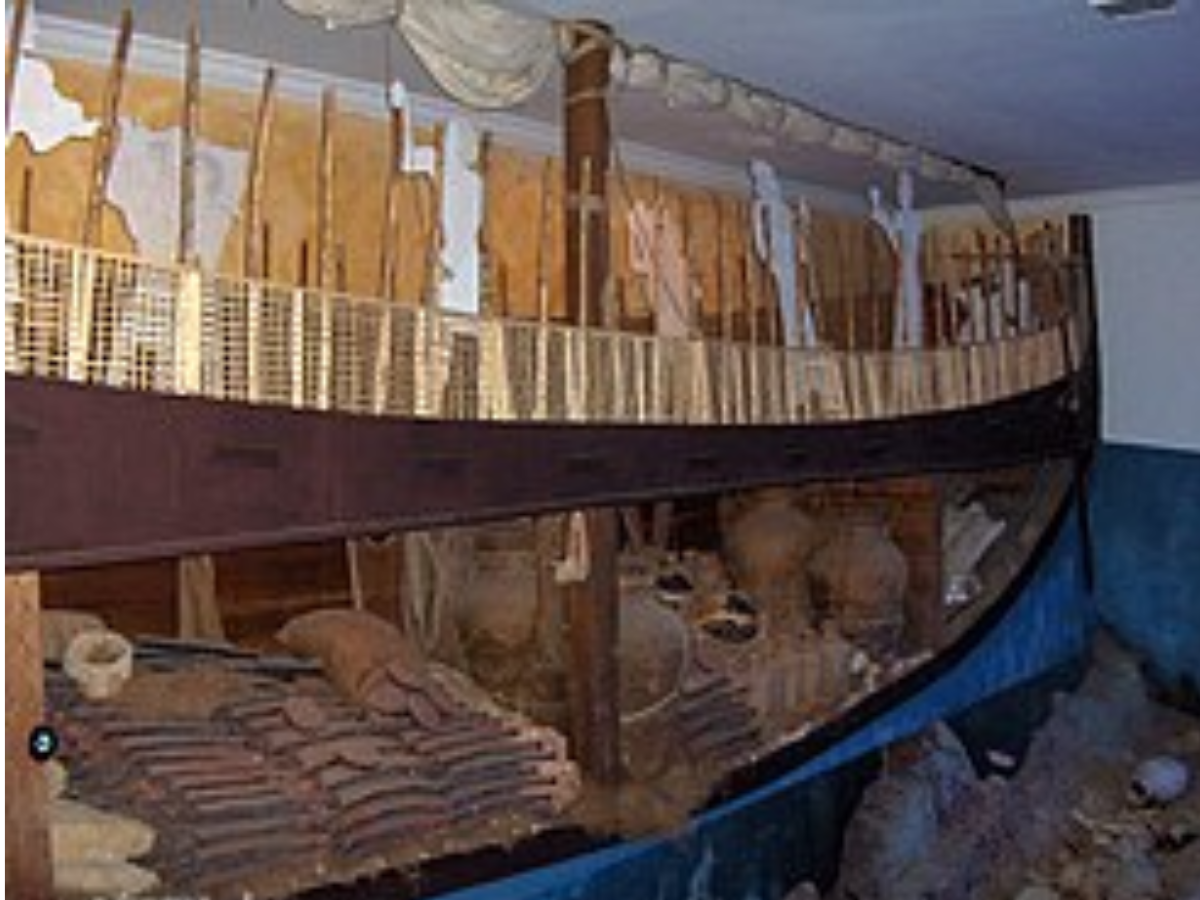
Silent vessel drifting across the endless blue horizon. Image Credit: Wikipedia
The mysteries of the ancient tin tradeIn the immense treasure trove of artifacts found at the bottom of the sea, the metal cargo is the one that carries the greatest historical significance. The ship carried huge amounts of copper and tin, the metals which were necessary to create bronze, the technology which defined this period.
The source of these metals allows modern archaeologists to trace some ancient trade routes that have remained unknown until now.The tin cargo alone has produced important findings. In a 2022 study published on the website of Science Advances, the vessel has been discovered to hold the oldest securely dated assemblage of ancient tin ever found anywhere in the world. Researchers have determined the origin of the tin cargo through chemical testing. Isotopes of the metal suggest that this tin cargo is from mining zones which lie thousands of miles apart and as far away as Central Asia and the Taurus Mountains in modern-day Turkey.A timeless structure for modern scholarsThe wreck’s findings have influenced the questions modern archaeologists ask about ancient economies. The Uluburun wreck remains a key source for understanding Bronze Age trade networks.









 English (US) ·