

 4 days ago
7
4 days ago
7
ARTICLE AD BOX
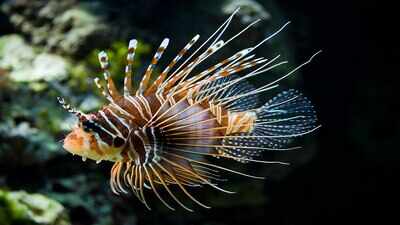
A devastating marine invasion is reshaping Western Atlantic coral reefs. Introduced from the Indo-Pacific in the mid-1980s, the lionfish has rapidly spread, overwhelming native fish populations. Image Credit: Wikimedia Commons
When we think about tropical coral reefs, our minds usually drift toward a picture of perfect ecological harmony. We imagine schools of colourful reef fish darting through sunlit waters, sea anemones swaying gently with the tide, and a bustling underwater community where every creature has a distinct role.
For a long time, traditional marine biology has taught us that these diverse environments are highly resilient systems. The common belief is that the natural complexity of a healthy reef provides enough checks and balances to protect its inhabitants from sudden disruptions.But the recent history of the Western Atlantic introduces a completely different story to our modern understanding of marine conservation.
In the mid-1980s, an elegant yet highly destructive predator was introduced into waters far outside its native Indo-Pacific home. What started as a few scattered sightings became a rapid and ecologically damaging marine invasion. This colourful invader bypassed natural geographic barriers and altered coastal habitats from North Carolina to the southern Caribbean Sea.This unprecedented ecological crisis is detailed in a comprehensive research paper published in the journal Aquatic Invasions. The study, authored by marine ecologist Dr Pamela J. Schofield, traces the timeline and spatial progression of the fish after its introduction.
The investigation explains that human behaviour, high reproductive rates, and few native predators helped the species spread quickly over less than three decades.From first sighting to regional spreadTo understand how this underwater takeover unfolded, researchers utilised tracking data preserved within the Nonindigenous Aquatic Species database managed by the United States Geological Survey. The historical records show that the first confirmed specimen was captured off the coast of southeastern Florida near Dania Beach in October 1985.
For several years after this event, sightings remained rare, leading many observers to think the fish would not establish a permanent population.However, the chronological analysis published in Aquatic Invasions demonstrates that the situation shifted dramatically around the turn of the century. By the early 2000s, the species had established a firm stronghold along the Atlantic coast of the United States, stretching all the way north to Cape Hatteras, North Carolina, and out to the isolated island ecosystem of Bermuda.
The tracking data show that the invasion accelerated as ocean currents carried larval fish southward into the Bahamas and across the Greater Antilles.The study outlines how the geography of the Caribbean accelerated the spread of the predator. By 2009, the fish had officially colonised major reef systems in Mexico, Honduras, and Costa Rica, while rapidly moving into the Gulf of Mexico. This expansion showed that the species could thrive in a variety of marine environments, including shallow coastal mangroves, deep coral walls, and artificial structures.
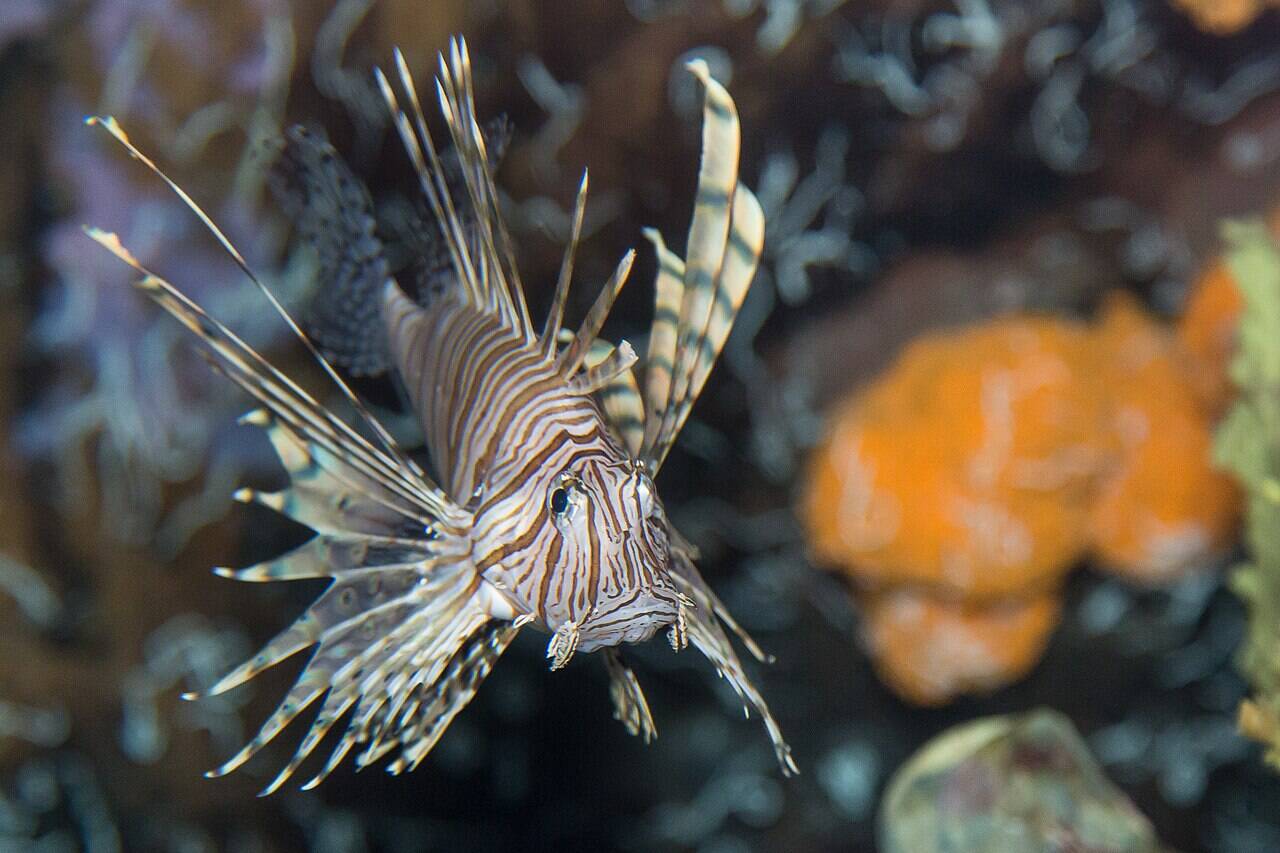
Lacking natural predators and defenses, Atlantic reef inhabitants are easy prey for this efficient hunter. This ecological crisis, detailed in a new study, highlights the vulnerability of marine ecosystems to introduced species and the urgent need for coordinated conservation efforts. Image Credit: Wikimedia Commons
The devastating impact on defenceless native reef fishThe rapid expansion of this invasive species has affected native wildlife populations in the Western Atlantic. In their native Indo-Pacific habitats, these predators are limited by competitors, parasites, and prey species that have evolved defences against them. However, Atlantic reef fish possess no evolutionary experience with the unique hunting style of this new predator, making them incredibly vulnerable to its presence.According to the Aquatic Invasions report, the lionfish uses its fan-like pectoral fins to corner small native fish against reef structures. Because local species do not recognise the fish as a threat, they may fail to flee, allowing the predator to consume large numbers of reef fish. The research notes that this hunting pressure can reduce young snappers, groupers, and grazing fish such as parrotfish, which help keep coral surfaces free of algae.Ultimately, this marine mapping project highlights the vulnerability of oceans to accidental species introductions. By showing how a few discarded aquarium pets spread widely, the findings underscore the need for coordinated regional management to protect marine sanctuaries. Understanding this invasion shows how a single introduced species can reshape an ecosystem over time.









 English (US) ·