

 1 week ago
6
1 week ago
6
ARTICLE AD BOX
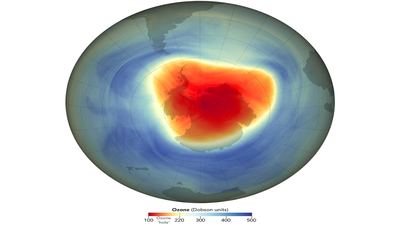
Ozone Hole Continues Healing in 2024| Image Credit: Wikimedia Commons
Nearly four decades after countries came together to phase out ozone-destroying chlorofluorocarbons (CFCs), scientists have identified an unintended consequence of the switch.A new study suggests that many of the replacements introduced into the atmosphere have been stealthily forming large quantities of trifluoroacetic acid (TFA), a persistent "forever chemical" that is now being detected in rain, soil, drinking water, and even remote Arctic ice.According to a study by Lancaster University, available through ScienceDirect, over 335,000 tonnes of TFA were deposited from the atmosphere to the earth's surface between 2000 and 2022 due to breakdown products of CFC-replacement chemicals and anesthetic gases.The study was published in Geophysical Research Letters, and the findings provide a new perspective in the debate over fluorinated chemicals, which are found in air-conditioning units, refrigerators, and many other products.The ozone-layer problemIt all started with one of the most successful environmental agreements ever enacted: the 1987 Montreal Protocol.After scientists discovered that CFCs were contributing to the thinning of the ozone layer, an international plan was launched to eliminate them. As CFCs were phased out in the following years, many industries turned to hydrochlorofluorocarbons (HCFCs) and hydrofluorocarbons (HFCs)-which do not deplete the ozone layer-as their preferred replacement.
However, the new study indicates that a great number of these replacement chemicals can degrade in the atmosphere to form trifluoroacetic acid (TFA), which is commonly grouped within the broader PFAS family, also known as a "forever chemical" due to its persistence. These 'forever chemicals' resist degradation and can linger in the environment for very long periods. Published in Geophysical Research Letters, the findings report a more than 3.5-fold increase in global TFA deposition from these sources between 2000 and 2022."Our study shows that CFC replacements are likely to be the dominant atmospheric source of TFA," lead author Lucy Hart, a researcher at Lancaster University, said in a university release discussing the findings.Falling from the skyThe researchers used a sophisticated atmospheric transport model to analyse where the chemical is being generated. These models trace how gases move through the atmosphere, track chemical reactions, and estimate where they eventually return to Earth through rain and other processes.Their models revealed that between the years 2000 and 2022, cumulatively, over 335,500 tonnes of TFA had been deposited in total by these substances. It's estimated that the annual production of TFA from CFC replacement chemicals and anesthetic gases has tripled during the period of study.The significance of these findings lies in how far the chemical can travel. Long-lived refrigeration gases can drift thousands of miles before they break down, and as a result, TFA is being found in regions very far from any industrial pollution sources.Clues from Arctic iceOne of the strongest indicators that long-lived CFC-replacement chemicals may be to blame for a rise in TFA is found in the Arctic. Previously, reports indicated a steep rise in TFA in Arctic ice cores, and the new research concludes that the bulk of this observed increase can be explained by emissions of CFC-replacement chemicals.Because of their long lifespan in the atmosphere, CFC replacements drift to the most remote areas of the world before finally degrading, releasing TFA.
Scientists propose that this model is the clearest explanation yet for increased TFA levels in Arctic ice, an area with minimal industry, because the degradation does not occur locally.
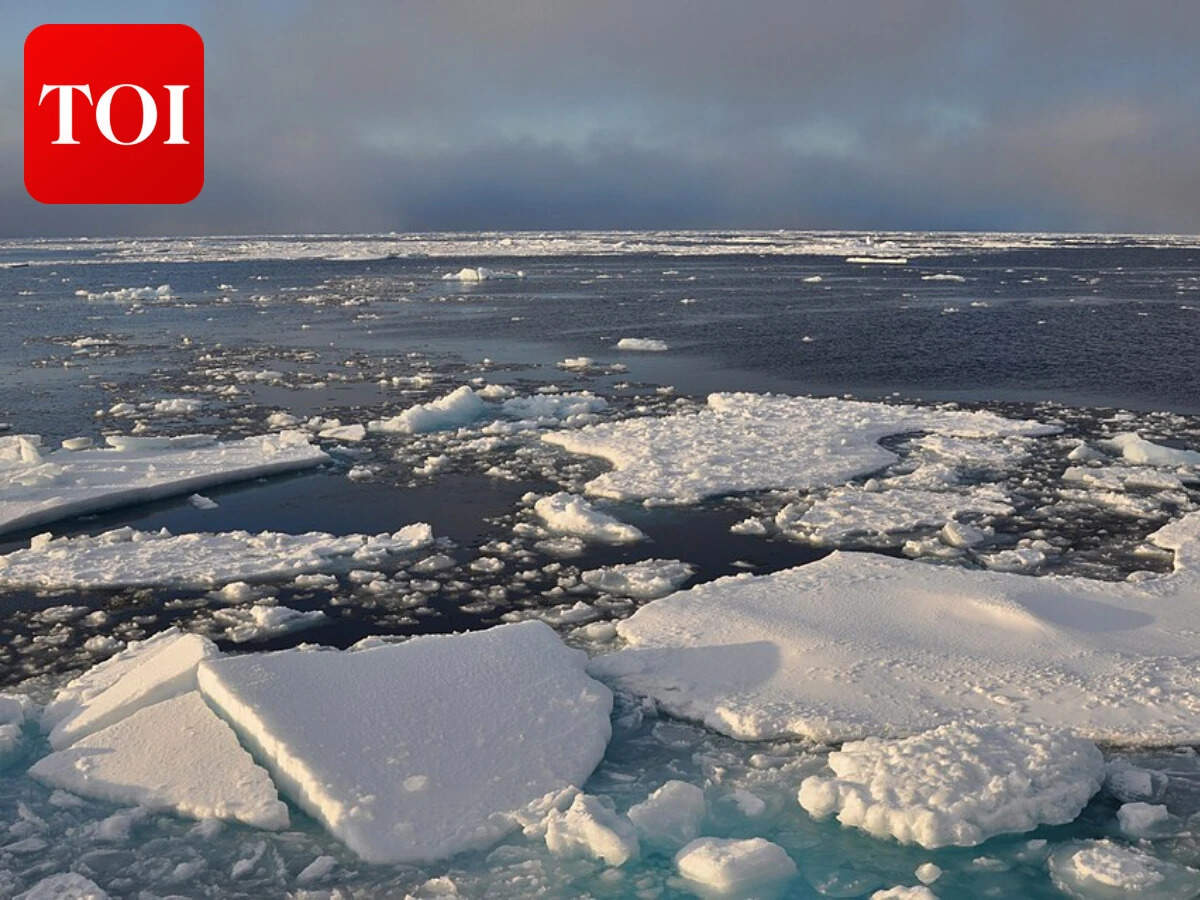
Arctic Ice| Image Credit: Wikimedia Commons
Scientists' concernsScientists are currently working to determine the impact of TFA on the environment and human health. The chemical has already been identified in rivers, drinking water, rainwater, and environmental samples around the globe.While regulators have concluded that these levels are not a direct risk to health at present, concerns about the chemical remain high due to its extreme persistence and ability to accumulate in the environment.
Professor Ryan Hossaini, another scientist on the research team, said that addressing TFA pollution is important since the chemical is widespread, highly persistent, and the amounts being detected are increasing.Research is also continuing into newer refrigerant types, known as hydrofluoroolefins (HFOs), that were intended as alternatives but may also produce TFA.Regulatory challengesThe study has not lessened the importance of the Montreal Protocol and the role it played in helping the ozone layer recover. Rather, the research shows an emerging concern for regulators and industry as they search for safer alternatives. The study indicates that much more comprehensive monitoring efforts need to be established, especially as refrigeration technologies are constantly changing.The findings raise new questions for policymakers and regulators; substances that helped solve one environmental problem may also have contributed to a different long-term environmental challenge.









 English (US) ·