

 6 days ago
7
6 days ago
7
ARTICLE AD BOX


Decades after the Chernobyl disaster, the exclusion zone has become an unexpected wildlife sanctuary. Przewalski horses and abundant large mammals, including wolves, now thrive in the absence of human activity. Image Credit: Wikimedia Commons
The desolate environment around Chernobyl has long symbolised technological catastrophe. When reactor number four erupted in an explosion in April of 1986, its deadly emissions forced a complete and immediate evacuation of over one hundred thousand individuals from the area.
Once busy industrial cities were deserted instantly, leaving behind high-rises standing vacant, corroded playgrounds, and a poisoned wilderness that experts considered to be a barren wasteland for hundreds of years to come.However, decades after that tragic day, the devastated area has become a sanctuary for the most unique wildlife. In 1998, conservationists released a herd of Przewalski horses into the exclusion zone.
Placed on their own without any supervision in the territory, which was deprived of any human activity, these animals managed not only to survive amid all those threats but also to reproduce in large numbers, roaming abandoned streets of villages and wide territories of steppe.This finding is part of a broader wildlife pattern documented by an international research team. A study published in the journal Current Biology, under the title Long-term census data reveal abundant wildlife populations at Chernobyl, fundamentally changed how the world views ecological recovery.
Led by an international coalition of scientists, including lead researcher Dr T.G. Deryabina and environmental science professor Jim Smith, the study analysed decades of empirical population tracking. The data showed that large mammal populations inside the zone increased despite chronic radiation exposure.An unexpected sanctuary free from human disruptionTo understand how an endangered wild horse herd and a massive variety of large mammals could flourish in a radioactive zone, we have to look past the invisible toxins and look closely at the single greatest threat that modern wildlife faces: human presence.
In normal, uncontaminated European forests, wild animals face constant, relentless pressures from urban sprawl, commercial logging, highway traffic, and organised hunting.
The sudden and complete removal of human civilisation from the four thousand square kilometre exclusion zone effectively erased these intense daily stresses overnight.The research highlights that within ten years of the nuclear accident, the populations of major mammalian species showed no evidence of a negative influence of radiation.
Radiation alone did not prevent wildlife from recolonising the area once people left.The long-term census found especially high numbers of apex predators, which can indicate ecosystem conditions. The study documented that grey wolves were an astonishing seven times more abundant inside the Chernobyl exclusion zone than in comparable, uncontaminated wildlife reserves in the surrounding countries. Without farmers protecting livestock or hunters managing predator numbers, wolves and other large carnivores have been free to establish natural territories, successfully hunting the booming populations of deer and wild boar across the rewilded landscape.
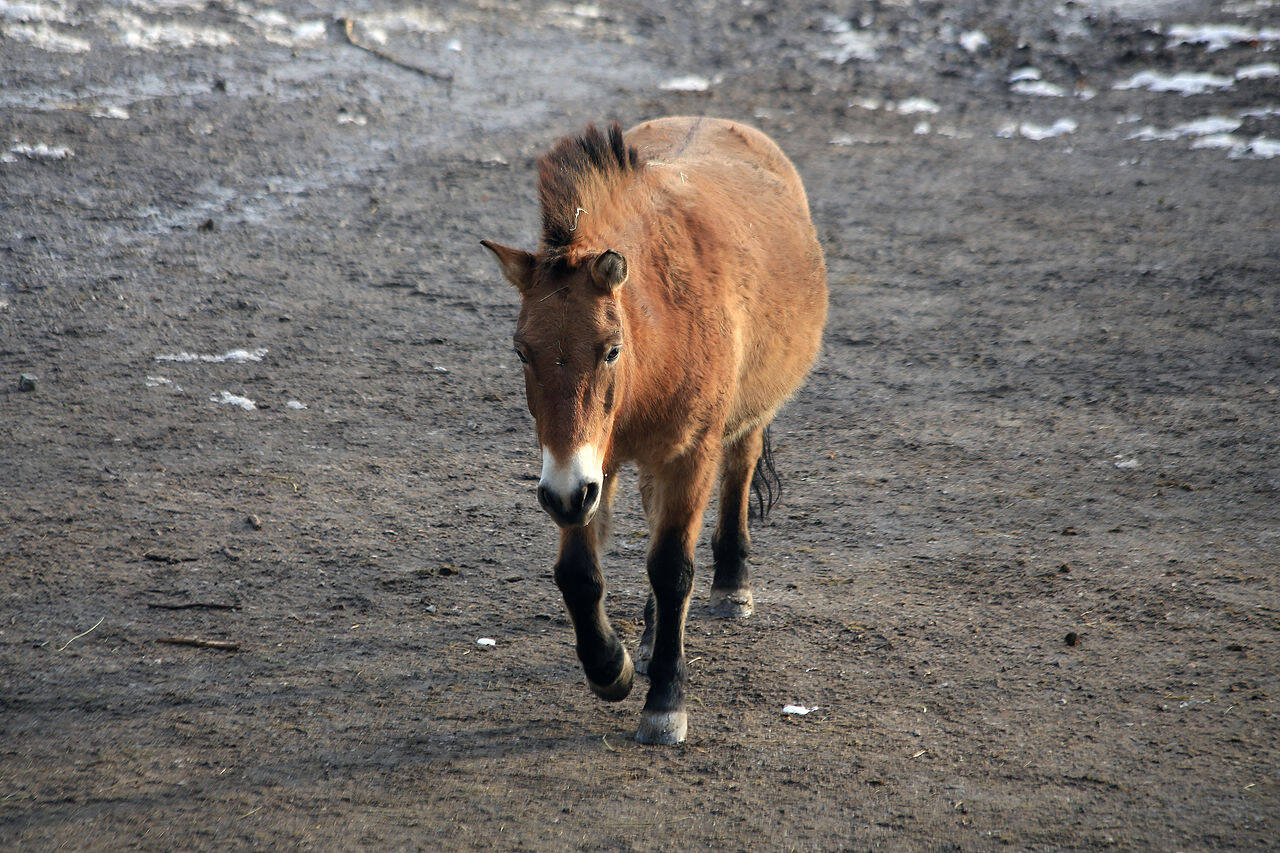
Research indicates that the removal of human pressures like urban sprawl and hunting has allowed ecosystems to recover, even with chronic radiation exposure. Image Credit: Wikimedia Commons
A reassessment of the concept of environmental resilienceWild horses moving through the abandoned landscape offer ecologists a vivid example of ecological recovery. It teaches us that despite the fact that continuous exposure to radiation does cause significant biological effects and a higher rate of mutations in each animal, it doesn’t mean that it leads to the death of the whole animal community. In conditions of vast areas without any farming or hunting, animal populations can be extremely resilient.This profound insight forces global conservationists to completely re-examine the traditional methods used to protect endangered species and fragile habitats around the world. The site is now often described as one of the largest nature reserves in mainland Europe. It suggests that human land use can be highly destructive to wild mammal populations, even compared with radiation exposure.Ultimately, the Chernobyl wildlife story shows that some species can persist and recover in the absence of people. The invisible borders of the exclusion zone have created a living laboratory that challenges our deepest assumptions about pollution and planetary healing. Protecting biodiversity sometimes means limiting human disturbance and allowing ecosystems space to recover.









 English (US) ·