

 1 day ago
9
1 day ago
9
ARTICLE AD BOX
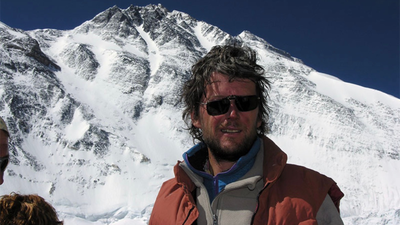
Lincoln Hall | Jamie McGuinness - Project-Himalaya. com
When Australian mountaineer Lincoln Hall reached the summit of Mount Everest on May 25, 2006, he had fulfilled a lifelong ambition. But during the descent from the world’s highest mountain, Hall became severely ill with what was believed to be high-altitude cerebral edema (HACE), a life-threatening form of altitude sickness that can cause confusion, hallucinations and loss of consciousness.
According to the Guardian, his Sherpa guides spent hours trying to save him, but as darkness fell and their oxygen supplies dwindled, they were forced to retreat. Believing Hall had died, the expedition informed his family that he was dead.Twelve hours later, another expedition climbing toward the summit encountered an astonishing sight. American guide Dan Mazur, accompanied by Andrew Brash, Myles Osborne and Jangbu Sherpa, found Hall sitting upright near the Second Step at an altitude of about 8,600 meters (28,200 feet), according to National Geographic. He had no gloves, no hat, no sunglasses, no supplemental oxygen, no sleeping bag, and little protective equipment against temperatures that routinely plunge below −20°C in Everest’s “death zone.”
According to Osborne’s account, Hall calmly greeted the climbers by saying, “I imagine you’re surprised to see me here.” Mazur immediately abandoned his summit attempt and began organizing an emergency rescue instead.
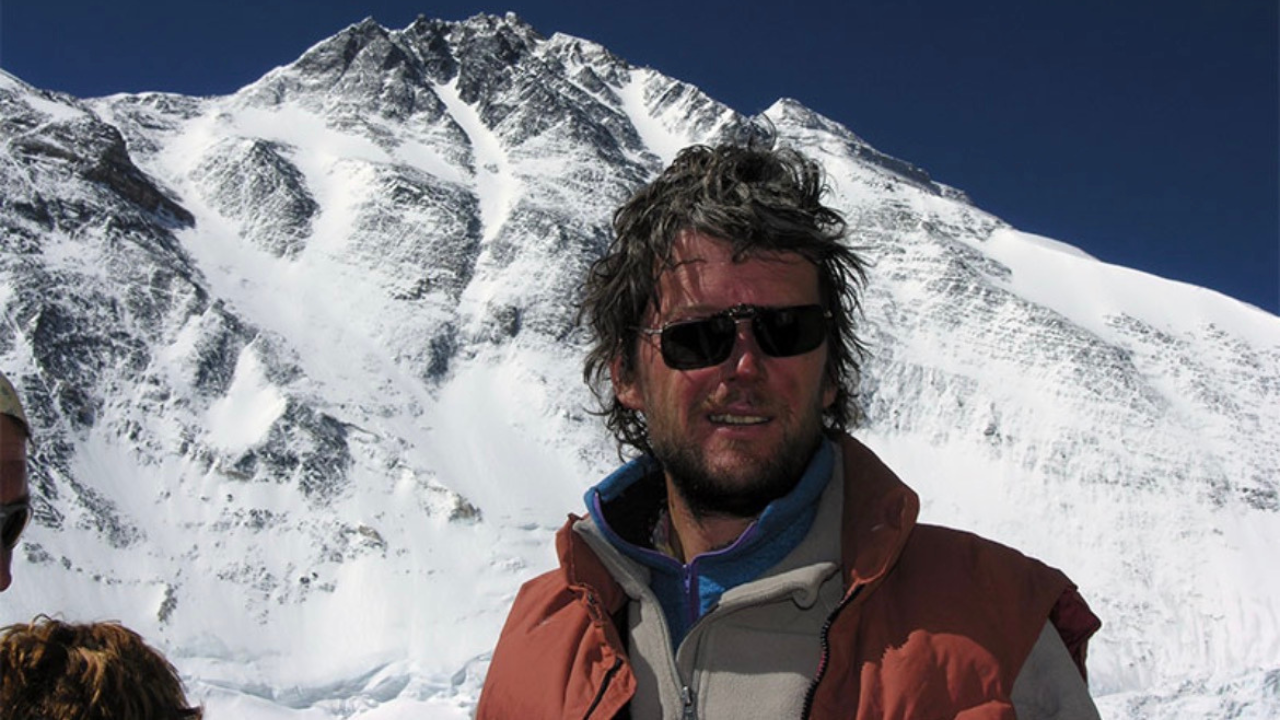
Lincoln Hall | Jamie McGuinness - Project-Himalaya. com
Why surviving the ‘Death Zone’ was considered impossibleAt that altitude, survival without shelter is considered extraordinarily unlikely. The summit region of Mount Everest, often called the “death zone,” lies above 8,000 meters (26,247 feet), where oxygen levels are only about a third of those at sea level.
Prolonged exposure can rapidly impair judgment, coordination, and consciousness, while subzero temperatures dramatically increase the risk of frostbite and hypothermia.
Lincoln Hall had already developed high-altitude cerebral edema (HACE), a life-threatening condition caused by swelling of the brain due to oxygen deprivation. Under such circumstances, climbers are generally expected to deteriorate quickly without immediate descent and treatment, making his survival through the night one of Everest’s most remarkable stories.An unprecedented rescue at extreme altitudeHall’s rescue quickly became one of the most remarkable survival stories in Everest’s history. Mazur’s team remained with the disoriented climber while a large group of Sherpas climbed from lower camps carrying oxygen and rescue equipment. The combined effort eventually brought Hall down to the North Col, where he received medical treatment before being evacuated to Advanced Base Camp.Hall survived despite spending an entire night alone in one of the harshest environments on Earth. He suffered severe frostbite, ultimately losing the tips of several fingers and one toe, but otherwise made a remarkable recovery. His experience later became the subject of his memoir Dead Lucky, in which he described the cerebral edema that caused him to become confused during the descent and recounted how his guides had exhausted every reasonable effort before concluding he could not be saved.
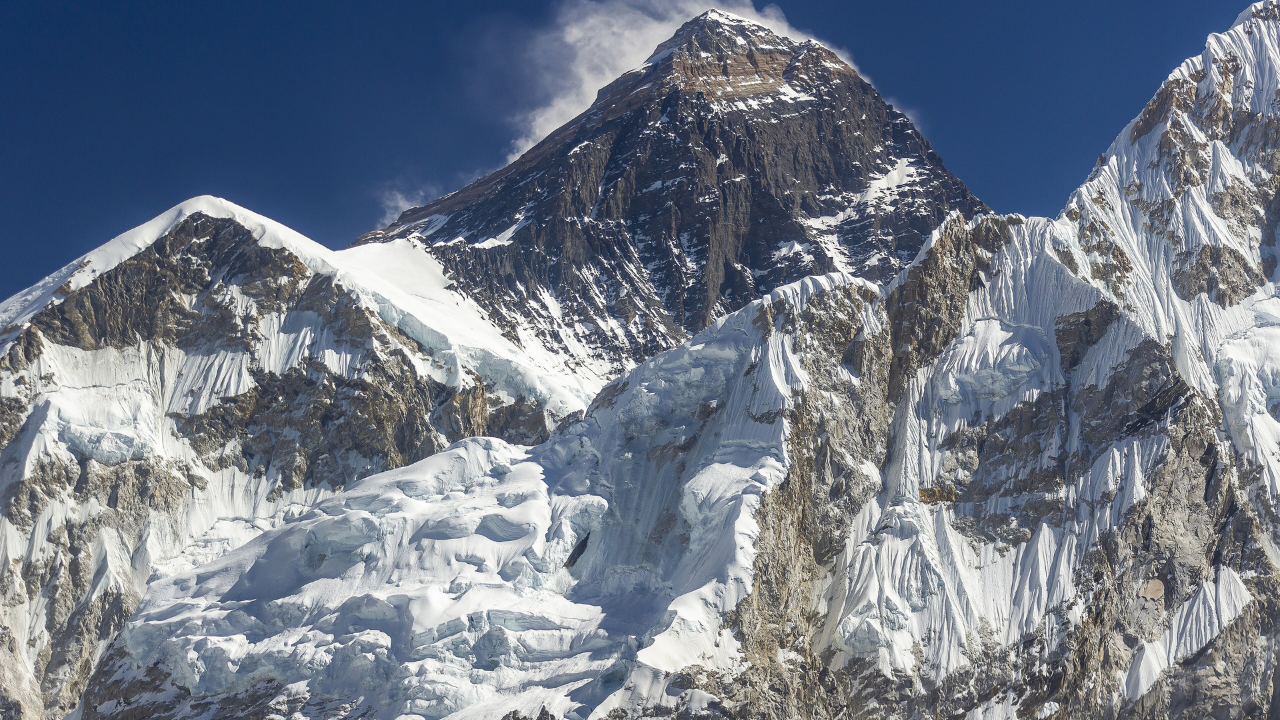
Mount Everest with snow melted, showing upper geologic layers in bands | Wikimedia Commons
A story that changed Everest’s conversationHall’s rescue occurred only days after British climber David Sharp died on Everest, sparking international debate over the ethics of high-altitude mountaineering and whether climbers should sacrifice summit attempts to help others in distress.Mazur’s decision to abandon his own ascent became widely praised. National Geographic later named him one of its Adventurers of the Year, recognizing his choice to prioritize a human life over reaching the summit.Hall returned to Australia and continued writing and speaking about mountaineering until his death from mesothelioma in 2012. His survival remains one of Everest’s most extraordinary documented rescues, demonstrating both the devastating effects of high-altitude cerebral edema and the life-saving impact of climbers who chose rescue over the summit.








 English (US) ·