

 1 hour ago
6
1 hour ago
6
ARTICLE AD BOX
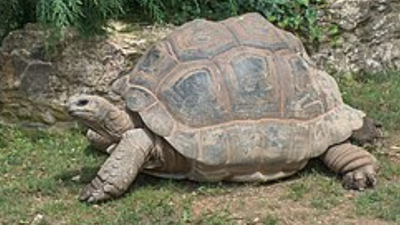
The Aldabra giant tortoise (Aldrabachelys gigantea), acting as a functional substitute to restore lost grazing patterns. Image Credit: Wikipedia
Conservation is often about preserving what already exists. Yet on a small volcanic island of Round Island off the coast of Mauritius, the specialists had to undertake a quite unusual operation.
To restore the island’s ecosystem, they introduced a large replacement for its extinct inhabitants.By introducing large tortoises from the Seychelles, the specialists helped restore Round Island’s endangered plant life. This example shows that conservation can sometimes mean restoring ecological relationships rather than preserving a system exactly as it is.The missing workforceA long time ago, the island near Mauritius had its own variety of giant tortoises, called Cylindraspis.
These large reptiles acted as key workers in the local ecosystems. They wandered in the thickets, opened up the soil and ate much vegetation. More importantly, these tortoises swallowed native fruits and thus spread seeds all over the island.After the arrival of people, hunting pushed the native tortoises to extinction, creating a huge void in the ecosystem. Since there were no herbivores grazing, the plants on the island started going off course.
Invasive weed became dominant, suffocating the native vegetation. There was destruction in the unique forest since there were no tortoises left to clear the ground or help native plants grow.Searching for a replacementScientists found out that it would be impossible to revive extinct native tortoises, but it was possible to look for their close relative. The solution came in the form of the Aldabra giant tortoise, an animal that has a very similar lifestyle.According to the study in PLOS ONE, healthy Aldabra giant tortoises were transported to Round Island in June 2007 via helicopters. The study indicates that these animals were kept in confinement at first in order to adapt and then were released into nature in May-July 2008. This operation was performed jointly by the Mauritian Wildlife Foundation and national conservation organizations, making Round Island one of the flagships for ecological restoration.
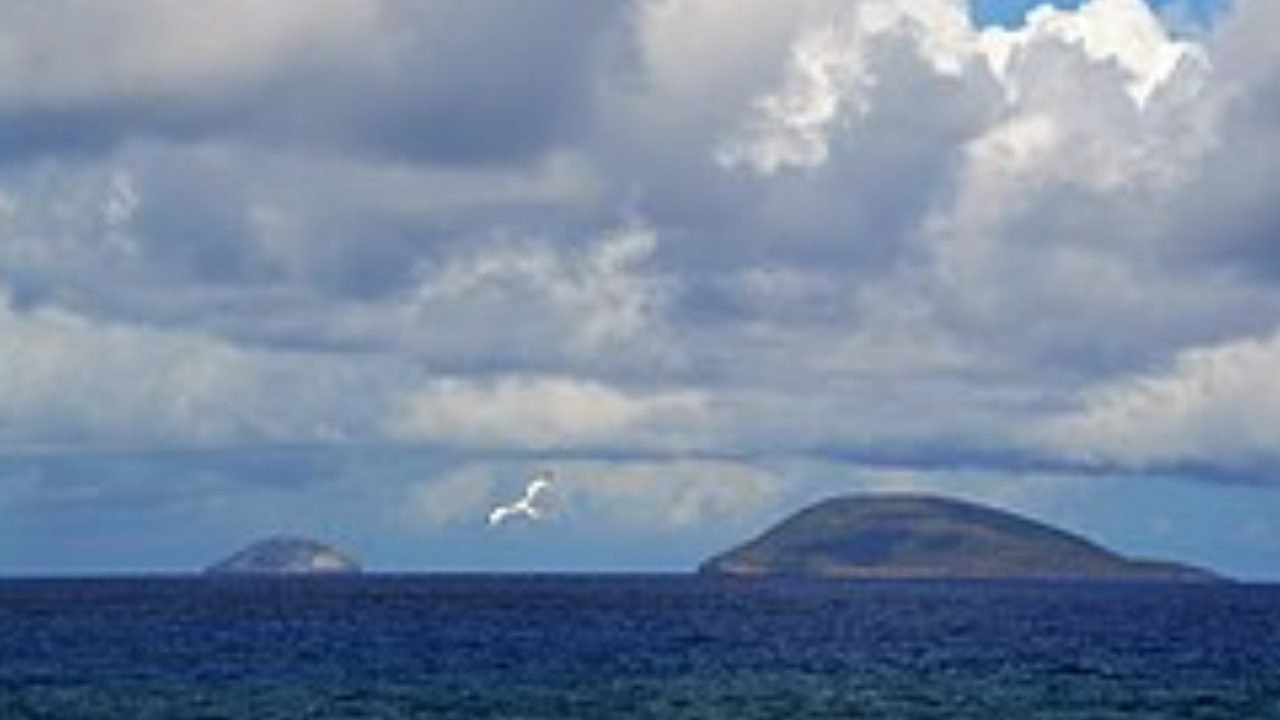
The isolated landscape where the megaherbivore rewilding project took place. Image Credit: Wikipedia
Unexpected transformation of the gardenThe tortoises began feeding soon after arriving on the island. As they moved across the land, they were acting as ecosystem engineers and transforming the area by completely changing its ecosystem. By feeding on fast-growing vegetation, the tortoises prevented invasive weeds from dominating the ecosystem.Comprehensive literature review on rewilding islands that has been indexed in PubMed states that giant tortoises have an important role beyond just eating.
The review says they serve as seed dispersers and clear areas for native seeds to germinate and grow. By trampling competitive vegetation, tortoises altered plant competition on the island.The value of patienceWhat is so special about the Round Island project is that it was conducted as a scientific experiment. Before introducing the tortoises, scientists observed and recorded the island’s vegetation and continued monitoring it afterward.
The native vegetation quickly responded to the new habitats, showing that the habitat balance had been restored.It demonstrates that nature can be restored if efforts are aimed at the restoration of ecological processes instead of some romantic attempts to restore the way things used to be. The introduced Aldabra tortoises are different from the species that have gone extinct, but they occupy the exact same niche.









 English (US) ·