

 1 day ago
4
1 day ago
4
ARTICLE AD BOX

Introduced feral cats preyed on native birds, reptiles and small mammals for decades before being eradicated from San Nicolas Island in 2010. Image Credits: Wikimedia Commons
Feral cats have been living on San Nicolas Island off the coast of California for decades. They preyed on seabirds, reptiles, and other animals that were native to the island and evolved there.
Feral cats, which were not native to the island but were brought there by humans, are one of the most harmful invasive predators on San Nicolas Island.In the early 2000s, conservationists asked whether the island’s wildlife could be saved without killing all the cats. Following years of preparation, the United States government carried out a comprehensive plan to eradicate the feral cats from the island using mainly live-trapping and relocation techniques.
By 2010, the feral cats were eradicated from San Nicolas Island, ending decades of efforts aimed at protecting the unique fauna of the island.Since then, some positive changes have been noted. Endangered birds started to nest there in larger numbers, and some animals that previously suffered from the predatory behaviour of cats are thriving now.An introduced predator threatened an isolated ecosystemLocated about 100 kilometres off the coast of southern California, San Nicolas Island is home to several endemic species that evolved with few natural predators.
Like many oceanic islands, its wildlife proved especially vulnerable when non-native mammals were introduced.Feral cats are believed to have become established on the island during the twentieth century, possibly through abandoned pets or animals associated with human settlement. Over time, they developed into skilled hunters, feeding on seabirds, lizards, rodents and other native wildlife.Among the species most affected was the Scripps's murrelet, a small seabird that nests in rocky crevices along the California coast and Channel Islands.
Because these birds breed on the ground and produce only one or two eggs each year, even relatively low levels of predation can significantly reduce breeding success.By the late 1990s, conservationists estimated that cats were killing hundreds of seabirds annually. Native reptiles and small mammals also faced continuous pressure, raising concerns that some island populations could disappear altogether.Removing the cats, however, was not straightforward. The island also supports the San Nicolas Island fox, an endemic subspecies whose small population could be accidentally harmed during eradication efforts.A carefully planned eradication programmeRather than relying solely on poison or widespread lethal control, wildlife managers developed a programme designed to protect both native wildlife and the island fox.According to research published by Biological Invasions, conservation teams first captured nearly every San Nicolas Island fox and vaccinated, tagged and monitored the animals before beginning intensive cat removal. This precaution reduced the risk that foxes would encounter traps or other management tools intended for cats.Investigators from the Institute for Wildlife Studies, the U.S. Navy and other associated conservation groups utilised live traps and the services of dogs, video cameras and skilled hunters to track down the rest of the cats. Cats that could be adopted were placed through rescue groups, and the rest were euthanised under wildlife management protocols.The project took years because even one surviving breeding pair could quickly replenish the feral cat population.
In 2010, surveys showed that feral cats had been eradicated from the island.The research concluded that the operation demonstrated it was possible to eradicate invasive cats while simultaneously protecting an endangered native carnivore through careful planning and adaptive management.
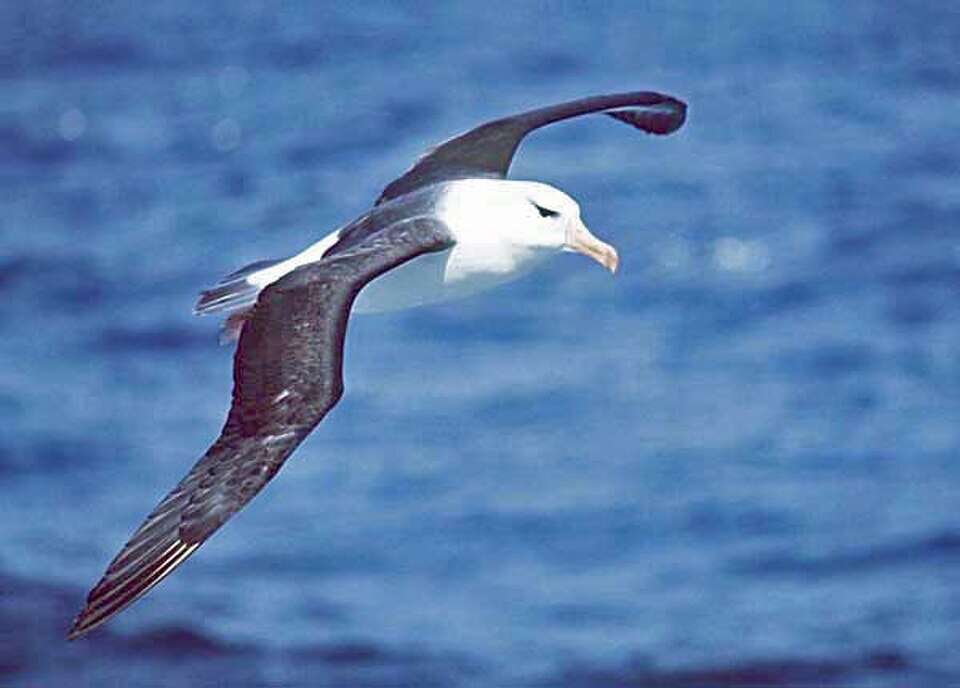
Seabirds such as this albatross are among the native wildlife that benefited after feral cats were removed from California's San Nicolas Island. Image Credits: Wikimedia Commons
.Wildlife began to recover after the cats were removed.After the cats were removed, scientists quickly observed positive environmental changes. Among the most prominent was the improvement in breeding rates of Scripps's murrelets after the elimination of felines.
This was seen through increased breeding behaviour within colonies that were previously often predated upon.Furthermore, the absence of cats reduced pressure on reptiles and other small native animals that had not evolved alongside predatory mammals. Although ecosystem recovery can take years, scientists found that some native species were able to rebound.The project reflects a broader pattern documented in conservation science. Research published in the Proceedings of the National Academy of Sciences (PNAS) found that invasive mammalian predators, particularly cats and rats, are among the leading causes of biodiversity loss on islands worldwide.
The study identified invasive predators as major drivers of bird, reptile and mammal extinctions, highlighting island eradication programmes as one of the most effective conservation tools available. San Nicolas Island is now recognised as a successful feral cat eradication project on an inhabited military island. Its success has informed similar restoration programmes in Australia, New Zealand and other island ecosystems where invasive predators continue to threaten native wildlife.In addition, it illustrates a common conservation principle: protecting biodiversity by removing non-native species. Although feral cats are often kept as pets, feral cat colonies on isolated islands can significantly affect local ecosystems. The recovering seabird colonies and wildlife of San Nicolas Island suggest that well-planned conservation programmes can help reverse ecological damage. To restore the island’s ecological balance, the feral cats had to be removed.









 English (US) ·