

 2 days ago
7
2 days ago
7
ARTICLE AD BOX
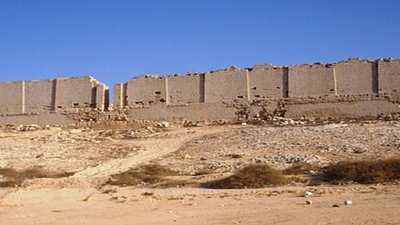
Southern wall of the acropolis of Taposiris Magna, as seen in 2013. Image Credit: Wikipedia
Archaeologists have found an enormous 4,300-foot-long underground tunnel underneath Egypt’s ancient temple Taposiris Magna. Undoubtedly, such a discovery will put the site back in the world’s spotlight.This is what makes the discovery so exciting: it adds another layer to the excavation. Rather, it changes the whole atmosphere around the site. Taposiris Magna no longer looks like just an ancient monument; it now seems like a layered landscape still revealing its secrets. The tunnels raise new questions about their construction, their purpose, and their inhabitants, as well as the reason for the centuries-long functioning of this amazing temple.
Thus, one underground discovery has made an already famous temple feel newly incomplete.A complicated site indeedThere are many reasons why this location has drawn the world’s attention. First and foremost, it should be noted that Taposiris Magna is extremely significant as a site itself. In particular, according to Harvard University, it was a strategically located settlement within the busy Mareotis Lake harbor complex. Furthermore, Taposiris Magna has been occupied since the early 3rd century BC.
This period suggests that the temple complex was part of a bustling ancient world of trade, travel, and religious activity. As a result, the presence of such an underground passage within its borders means that this space had to be surrounded by a variety of other elements connected to various aspects of ancient people's lives. Thus, the greater landscape already indicated a great degree of complexity. Harbor connections, active temple use, and long occupation make the area difficult to explain with a single theory.
In this regard, the tunnel functions as an additional element of the puzzle.Artifacts that keep the story openThis discovery is far from being the only one making Taposiris Magna relevant today. A brief overview of the 2025 excavation report provided by New York University mentioned the discovery of 337 ancient coins, a marble statue, and a few ritualistic vessels. The variety of artifacts is crucial since it proves that many interesting findings can still be made here.As reported by the university, one expert suggested that the images on the coins may depict Cleopatra. That statement helps explain why the site continues to attract attention from those interested in the late Ptolemaic era. However, the university statement is cautious, which is appropriate in archaeology. The focus of the document lies upon further interpretation rather than the claim of a confirmed royal burial – something that happens far too often when discussing the site.
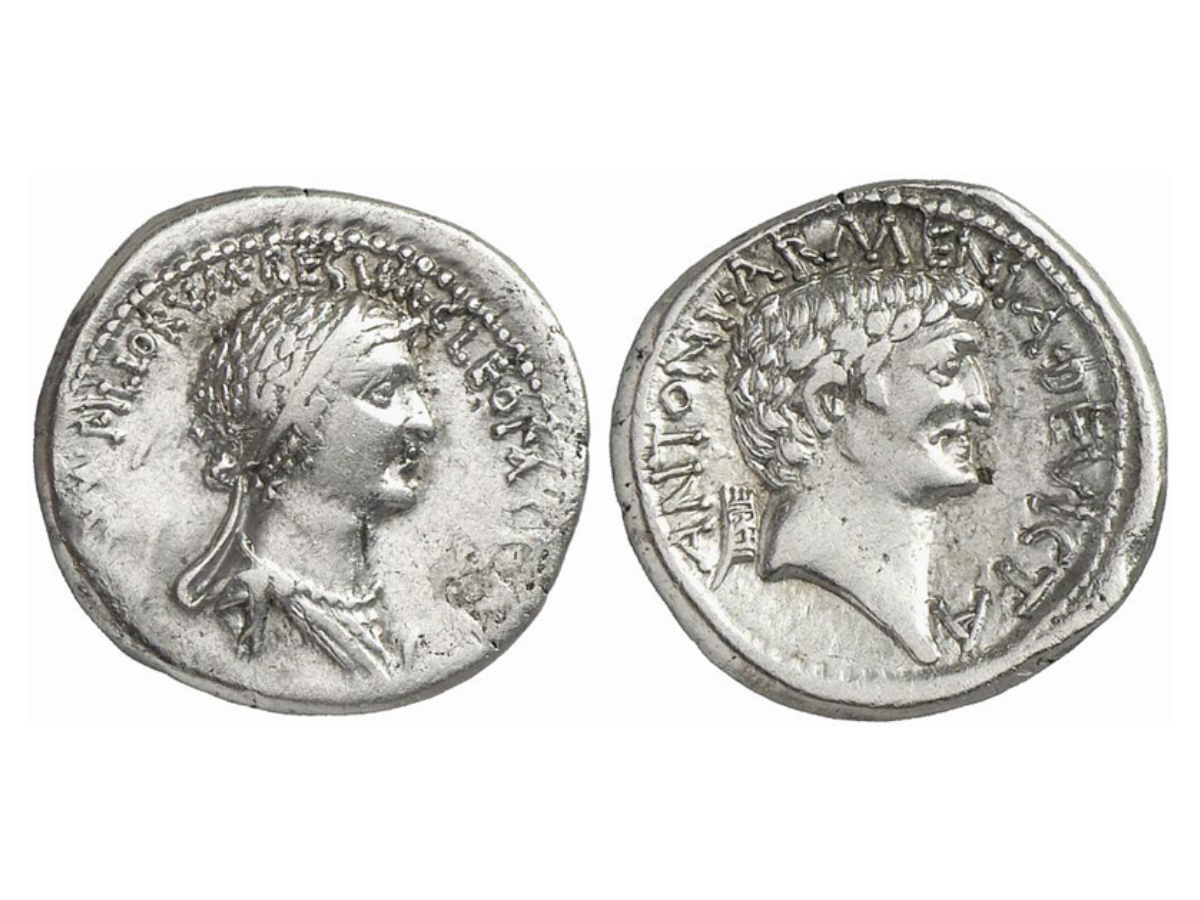
Mark Antony and Cleopatra. Denarius (Silver, 3.45 g 12 mm), mint moving with Antony, 32 BC. Image Credit: Wikimedia Commons
Why a tunnel changes the meaningA tunnel can be as significant as an imposing temple wall because it changes how people move through the site. In the case of Taposiris Magna, the immense tunnel provides yet another physical hint of movement beneath the surface. Regardless of any possible interpretations, the very existence of a tunnel hints at deliberate planning and immense human effort for a worthwhile purpose.A tunnel can also deepen the mystery surrounding such structures. Basic questions arise: Who built it? When was it built? What exact purpose did it serve? Was it part of temple use, or connected to activity near the bustling harbour?A mystery buried for too longArchaeological studies do not have a clear direction all the time. The finding becomes another reason to dig into what else is hidden under the sand.Taposiris Magna was never an abandoned site. Its past and development were influenced greatly by trade routes, the harbour, and numerous changes throughout the years. This new tunnel gives researchers another way to recover what time has buried.









 English (US) ·