

 6 days ago
6
6 days ago
6
ARTICLE AD BOX
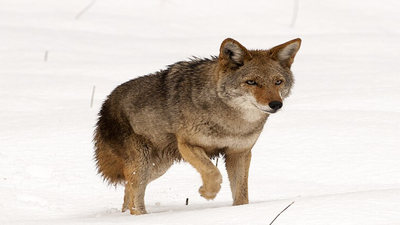
Coyote (Canis latrans lestes) walking in snow. Image Credit: Wikimedia Commons
At first glance, the animal trotting through a suburban neighbourhood looks like an ordinary coyote. However, the genetic composition of the creature is far more complex than this first impression would indicate.The animal roaming parts of eastern North America is different from the coyote that traditionally inhabited the western plains in its genetic makeup. This animal is actually a combination of several canid species, namely, coyote, wolf and the domestic dog, due to an unusual ecological sequence that started to happen more than a hundred years ago.This was revealed by a study published in 2011 in the journal Genome Research.
According to the study, eastern coyotes differ genetically from western coyotes because of past interbreeding with wolves and, to a lesser extent, domestic dogs.How the extinction of wolves transformed the environmentFor hundreds of years, wolves inhabited a large territory in the eastern United States. These animals served as apex predators, thus controlling prey numbers. However, the situation started to change in the nineteenth and twentieth centuries. The destruction caused by hunting and trapping led to the disappearance of wolves from many of their habitats.
According to the U.S. National Park Service, by the beginning of the twentieth century, both wolves and mountain lions were almost extinct throughout the northeastern part of the country. In this way, an ecological niche emerged which was suitable for one more animal.That animal is the coyote. Historically, this species inhabited the western and central territories of North America. By the twentieth century, they started moving eastwards.
The lack of big predators allowed coyotes to colonise forested and agricultural areas where wolves had lived before.Coyotes moved east and mixed with wolvesAs coyotes colonised the Great Lakes region and southeastern Canada, they came upon small pockets of wolves. In some cases, there was interbreeding to produce hybrids that had characteristics of both species. In order to learn about this history, scientists analysed over 48,000 genetic markers in wolves, coyotes, and other canids throughout North America.Their findings, published in Genome Research in 2011 and available through PubMed showed that eastern coyotes had DNA from wolves, coyotes and even domestic dogs. This helped to show that the eastern canines were genetically distinct from western coyotes.Eastern coyotes’ physical appearanceAnimal scientists were aware for a long time that coyotes in eastern parts of the United States seemed to be larger compared to coyotes in western areas.The DNA results revealed a possible reason for this phenomenon.
Biologists hypothesised that wolf genetics might explain the larger, sturdier appearance of eastern coyotes. Eastern coyotes are heavier even as adults compared to some other coyote populations located westward. In addition, scientists assume that such a body structure allows for exploiting a greater variety of prey. White-tailed deer constitute a substantial part of the eastern coyote's diet in some locations.The study could not prove directly that there is a causal relationship between these genes and these physical traits. Nonetheless, it confirmed that wolf genetics play an important role in the eastern coyote genome.
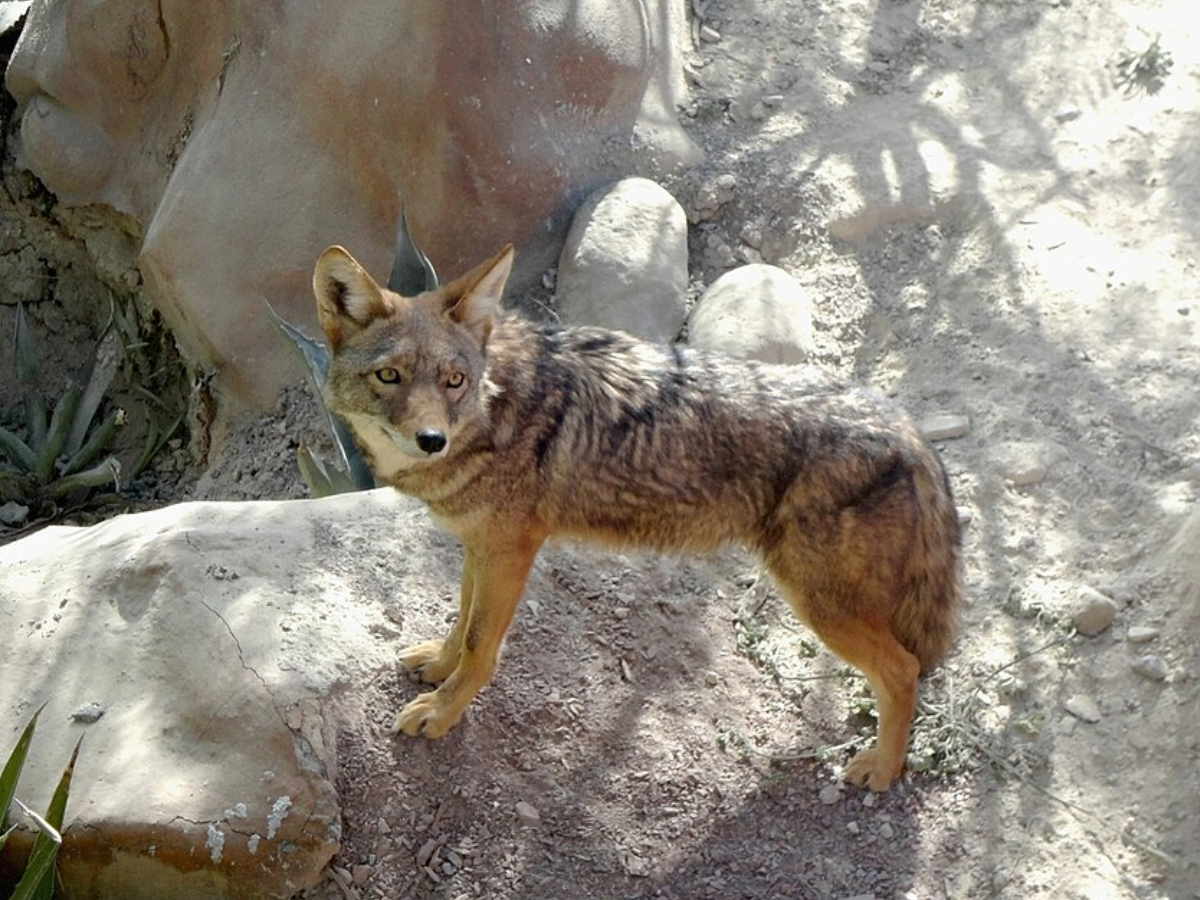
Coyote (Canis latrans lestes). Image Credit: Wikimedia Commons
The ideal predator for modern suburban settingsOne of the reasons why eastern coyotes have received such considerable scientific interest is their exceptional adaptability. Wolves usually need large territories and avoid highly developed landscapes, while coyotes are more versatile and can live in forests, agricultural and industrial areas, and even densely populated suburbs.At present, eastern coyotes are distributed all over an enormous territory ranging from northeastern North America to the Atlantic coast. These animals have even been observed in large metropolitan areas such as New York City, Boston and Washington, D.C. Scientists interviewed by National Geographic, after the release of the genome research, distributed hybrid descendants all around the eastern part of the country.Is this a new species?No, not really. The name ‘coywolf’ has gained popularity in media coverage and online, but many researchers still use ‘eastern coyote.’
Despite their mixed heritage with wolves, the animals are not regarded as belonging to another species. They are viewed as a hybrid group shaped by long-term interbreeding between coyotes, wolves and domestic dogs.An eastern coyote is often referred to by researchers as an example of how hybridisation may affect evolution in present-day wildlife.Unforeseen consequences of human behaviourThe emergence of the eastern coyote shows how human intervention can influence wildlife in unexpected ways.One of the reasons behind the spread of coyotes through much of the eastern regions of the United States has been attributed to the reduction of wolves in those areas. As coyotes moved east, they came into contact with remnant wolf populations, interbred, and became the widespread mammal now found in forests, suburbs and cities.The genetic traces of wolves have survived in the adaptable predator for more than a century after their disappearance from many eastern regions.









 English (US) ·