

 6 days ago
8
6 days ago
8
ARTICLE AD BOX
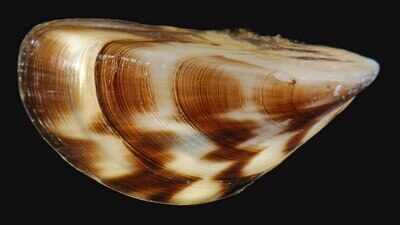
A microscopic invader, the zebra mussel, dramatically reshaped the Great Lakes ecosystem after its 1980s arrival. These prolific filter feeders cleared the water but starved the food web's base, impacting native fish. Image Credit: Wikimedia Commons
The Great Lakes are widely regarded as one of North America’s great natural features. They contain over 20 per cent of the planet’s surface fresh water and support fisheries, drinking water supplies, and recreation.
The intricate food chains in these large bodies of water have always maintained a rhythmic balance among the native fishes and the unseen creatures.But during the late 1980s, a microscopic invader entered the region and significantly altered the freshwater ecosystem. Hidden in ballast water on cargo ships from Europe, zebra mussels entered Lake St. Clair and quickly spread through the Great Lakes. Because these fingernail-sized molluscs had few natural predators in North American waters, they multiplied rapidly, blanketed hard surfaces, and triggered a major biological shift.However, this huge environmental event completely changed the view of scientists regarding freshwater ecosystems conservation and stability. The study Ecological Restructuring and Biomass Reallocation in Freshwater Ecosystems, published in the journal Science, gave an accurate picture of this huge aquatic event. The study suggests that zebra mussels significantly altered the lakes’ physical and biological properties and reshaped the food web.
The deceptive beauty of crystal clear waterFor someone sunbathing on the shore on a bright day, the zebra mussels’ invasion may have seemed like a positive environmental change. Within a few years, the water in parts of the Great Lakes became much clearer. Visibility increased from a few feet to as much as 30 feet in some places, allowing boaters to see the lake bottom.However, the extensive research paper in Science explained that this newfound clarity was actually a symptom of severe biological starvation.
Zebra mussels are incredibly efficient filter feeders, with a single adult mussel capable of filtering up to one quart of water per day. Operating like millions of microscopic vacuum cleaners across the lake floor, the trillions of invasive mussels quickly sucked out almost all the phytoplankton, which are the tiny floating green algae that form the absolute foundation of the aquatic food web.With fewer microscopic plants in open water, native zooplankton had less food available.
Disruption at the base of the food chain affected species higher up. Native fish such as salmon, whitefish, and lake trout, which are commercially valuable, were affected by reduced food availability and changing fishing operations.
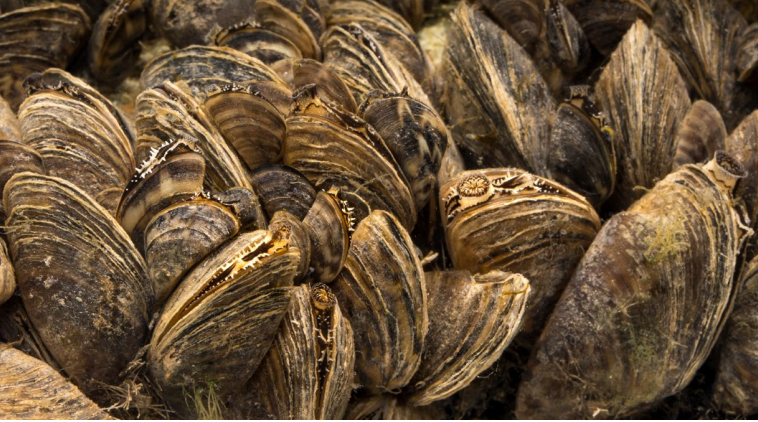
The invasion shifted energy from open water to the lake floor, highlighting how visible clarity can mask severe ecological disruption. This event underscores the need to look beyond surface appearances for freshwater conservation. Image Credit: Wikimedia Commons
A profound shift from the open water to the lake floorThe long-term ecological study mapped where energy in the lakes was going. Before the invasion, the Great Lakes functioned largely as pelagic systems, with much of the biological energy and nutrient cycling occurring in open water.
The arrival of zebra mussels shifted more nutrients toward the lake bottom.As the mussels consumed phytoplankton, they moved nutrients to the lake floor. This shift in nutrients favoured bottom-dwelling organisms while reducing productivity in open water. Clearer water exposed lake bottoms to more sunlight, which contributed to filamentous algae growth in some areasThe continuing saga of the Great Lakes is a reminder that the condition of an ecosystem should not be measured by its visible clarity. The changes of the late twentieth century show how one invasive species can alter energy flow across an entire lake ecosystem. Protecting freshwater sources requires looking beyond surface appearance and studying the ecosystem’s underwater connections.








 English (US) ·