

 4 days ago
11
4 days ago
11
ARTICLE AD BOX
Based on official data and supply assessments, India Today's analysis establishes that India has ensured uninterrupted regional fuel flows, mitigated Hormuz-linked risks, and reinforced its role as a key stabilising force in South Asia's energy landscape.
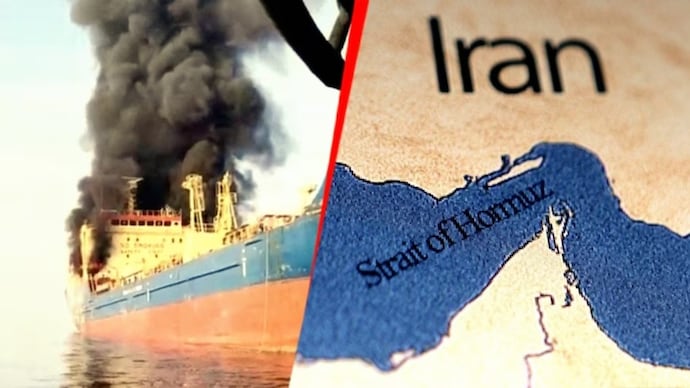
Hormuz blockade triggers global oil crisis. (File Photo: Reuters)
New Delhi,UPDATED: Mar 30, 2026 21:03 IST
As the Iran war widens, the energy crisis has deepened. Asia remains highly exposed, with many countries dependent on Gulf supplies and the Strait of Hormuz. In such conditions, India has emerged as a relative anchor of energy security. 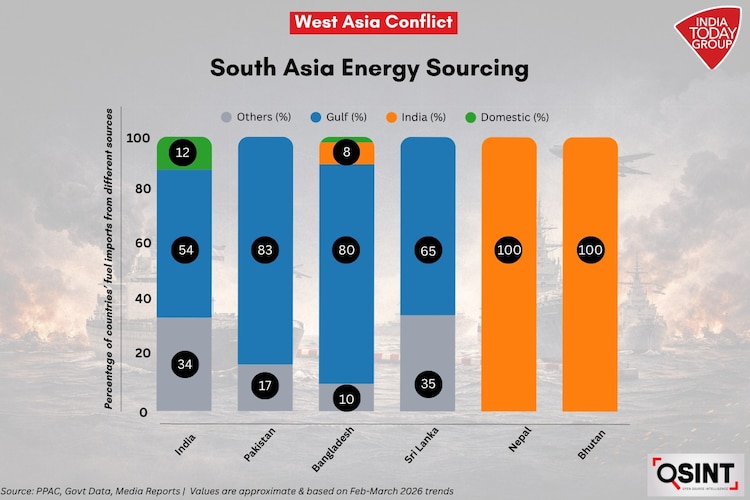
As the world’s fourth-largest refiner and fifth-largest exporter of petroleum products, India is not only meeting its own demand but also supporting its neighbourhood.
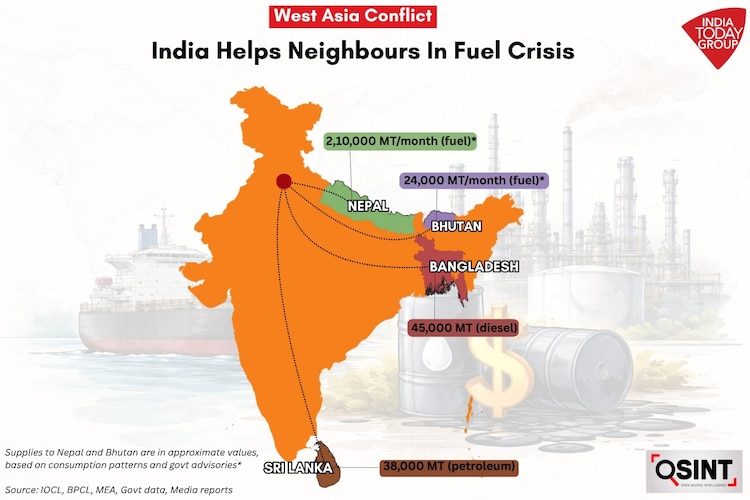
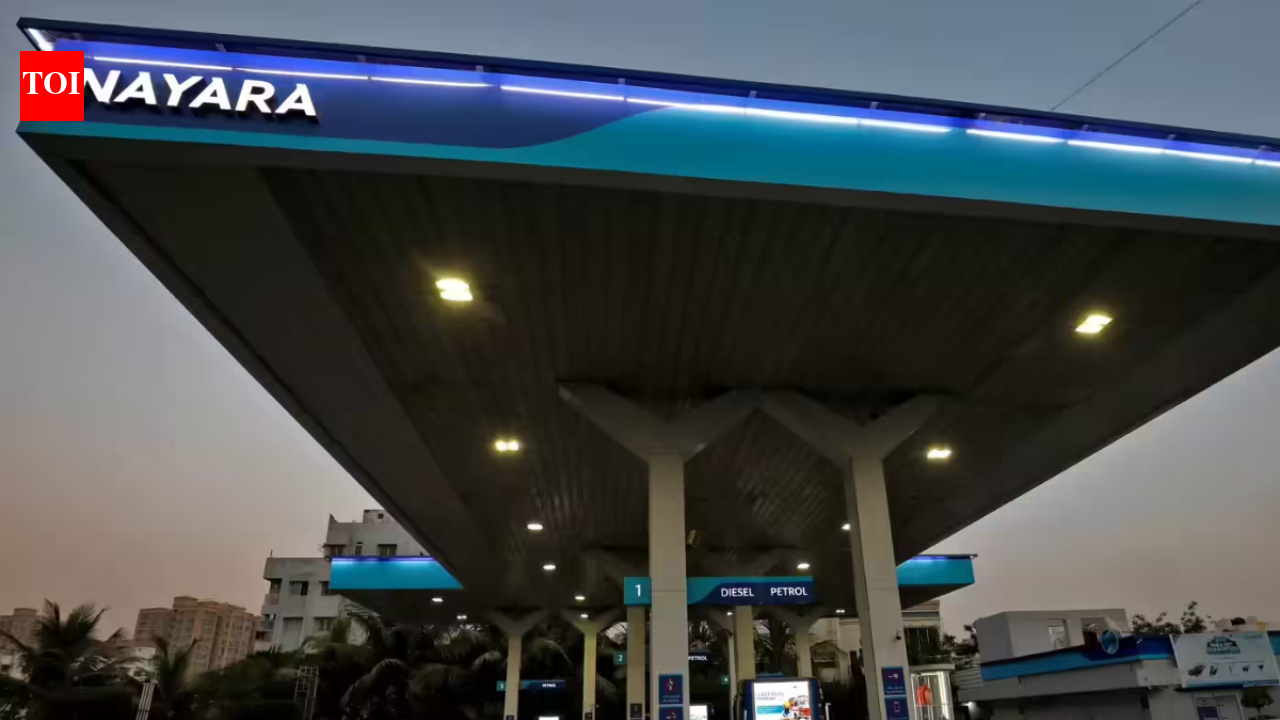
India has recently supplied around 38,000 metric tonnes of fuel to Colombo, informed Sri Lanka President Anura Kumara Dissanayake, taking to social media platform X. It also continues uninterrupted deliveries to Bhutan and Nepal, both of which are fully dependent on India for fuel. Plans are also in place to send about 40,000 metric tonnes of additional diesel to Dhaka by April.
Analysis by India Today’s Open Source Intelligence team, based on data from Indian Oil Corporation, Bharat Petroleum, the Ministry of Petroleum and Natural Gas, and Petroleum Planning and Analysis Cell trends for February and March, shows that initial disruptions linked to Hormuz have largely been mitigated.
India’s Ministry of Petroleum & Natural Gas has said that Delhi has diversified its supply chain, sourcing crude from over 40 countries. Around 70 per cent of its crude imports are now routed outside the Strait of Hormuz, reducing exposure to chokepoint risks.
How much fuel is India supplying to its neighbours?
India remains a net exporter of refined petroleum, supplying fuel to over 150 countries. In its neighbourhood, this aligns with the long-standing Neighbourhood First policy, now playing out in real time amid the crisis.
Nepal and Bhutan, both entirely dependent on India for fuel, have not seen any disruption. Official statements reinforce this continuity. Bhutan’s Ministry of Industry, Commerce and Employment said supplies remain secure under “established supply frameworks with India,” with officials telling Kuensel, a state-run newspaper, that deliveries have consistently met domestic demand.
The Rising Nepal, a government-owned newspaper, quoted Nepal Oil Corporation spokesperson Manoj Kumar Thakur stating that supplies from Indian Oil Corporation “have been normal as per domestic demand,” with assurances of continued flows.
In Bangladesh, Md Murshed Hossain Azad, General Manager Commercial at Bangladesh Petroleum Corporation, told ANI that “an additional 5,000 tons of diesel have arrived,” taking recent supplies to 15,000 tons, with 40,000 tons planned for April. The fuel is routed from Numaligarh Refinery in Assam via the India-Bangladesh Friendship Pipeline to Parbatipur. The pipeline, halted during the 2024 unrest against then Prime Minister Sheikh Hasina, resumed after the February political transition.
Sri Lankan President Anura Kumara Dissanayake also confirmed that 38,000 metric tonnes of fuel reached Colombo, thanking India for swift support. This volume is nearly 45 percent of Sri Lanka’s immediate shortfall.
Together, these flows point to a structured regional supply network, with India acting as a key stabiliser as Gulf-linked disruptions continue.
This outward flow of fuel is underpinned by a deeper structural shift in regional energy dependence.
Who is supplying fuel to South Asia during Iran war?
The data reveals a clear structural divide across South Asia’s energy landscape. Pakistan sources about 83 per cent of its oil from the Gulf, while Bangladesh depends on the region for nearly 80 per cent of its imports. Sri Lanka also remains significantly exposed, with around 65 per cent coming from Gulf suppliers. In contrast, India’s supply mix is more diversified, with 54 per cent from the Gulf, 34 per cent from other sources, and about 12 per cent domestically produced.
Nepal and Bhutan stand apart, relying entirely on India for fuel. This imbalance highlights a key vulnerability. While most of South Asia remains exposed to disruptions in the Gulf and the Strait of Hormuz, India’s diversified sourcing and refining capacity enable it to absorb shocks and extend support across the region.
India’s Ministry of Petroleum and Natural Gas has sought to reassure markets, stating that crude inflows remain stable despite disruptions at the Strait of Hormuz. Supplies from over 41 global sources, including increased volumes from the western hemisphere, have offset any shortfall. Refineries are operating at over 100 percent capacity, and oil companies have already secured crude for the next 60 days. The government maintains there is no supply gap.
- Ends
Published By:
bidisha saha
Published On:
Mar 30, 2026 21:03 IST
Tune In






 English (US) ·