

 1 hour ago
6
1 hour ago
6
ARTICLE AD BOX
India has eliminated Naxal violence nationwide, the Home Ministry says, reclassifying districts under new categories while maintaining vigilance in select areas after sustained operations under the 2015 anti-Maoist strategy.
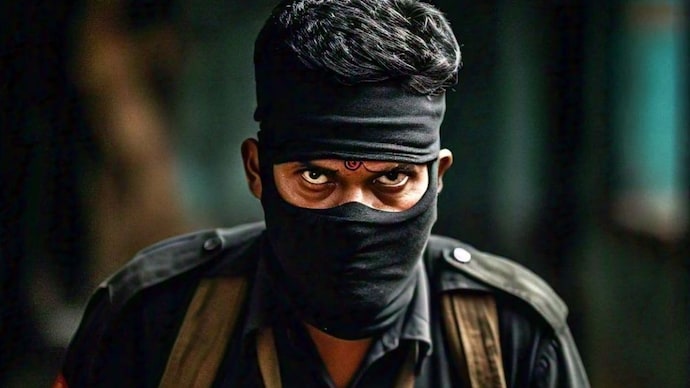
According to official communication sent to nine states on April 8, no district in the country is currently classified as Naxal violence-affected. (Representative image)
New Delhi,UPDATED: Apr 17, 2026 01:06 IST
India is no longer affected by Naxal violence, the Ministry of Home Affairs (MHA) has told states following a high-level security review, marking what the government described as a “historic achievement.”
According to official communication sent to nine states on April 8, no district in the country is currently classified as Naxal violence-affected. The update follows sustained counter-insurgency operations carried out under the National Policy and Action Plan on Left Wing Extremism (LWE) launched in 2015.
The announcement aligns with Union Home Minister Amit Shah’s statement in Parliament on March 30, where he said India had become free of Maoist influence.
SHIFT IN DISTRICT CLASSIFICATION
Until late March, two districts — Bijapur in Chhattisgarh and West Singhbhum in Jharkhand — were still considered Naxal-affected. However, following the latest review on April 8, that classification has been removed.
Instead, authorities have reorganised affected regions into new monitoring categories.
A total of 37 districts have now been classified as “Legacy and Thrust Districts,” indicating that while they are no longer affected by active Naxal violence, continued focus on security and development remains necessary.
One district — West Singhbhum in Jharkhand — has been placed under the category of “District of Concern,” suggesting that while insurgent networks have weakened, vigilance is still required.
SPREAD ACROSS NINE STATES
These 38 districts are spread across nine states: Andhra Pradesh, Bihar, Chhattisgarh, Jharkhand, Madhya Pradesh, Maharashtra, Odisha, Telangana and West Bengal.
Officials say the new classification reflects a transition from active conflict zones to areas requiring sustained monitoring and development support.
RESULT OF LONG-TERM STRATEGY
The government credited the achievement to coordinated efforts between the Centre and state governments over the past decade.
The 2015 LWE policy focused on a combination of security operations, infrastructure development and welfare measures aimed at weakening Maoist networks while improving governance in affected areas.
With no district now officially classified as Naxal-affected, officials say India has reached a key milestone in its internal security landscape, even as targeted vigilance continues in select pockets.
- Ends
Published By:
Nitish Singh
Published On:
Apr 17, 2026 01:06 IST
Tune In








 English (US) ·