

 1 hour ago
7
1 hour ago
7
ARTICLE AD BOX
With the shipping disruption in the Strait of Hormuz impacting energy supplies to India, Foreign Secretary Vikram Misri joined a meeting of more than 60 countries, convened Thursday by the UK, on reopening the crucial waterway where he underlined the principles of “freedom of navigation” and “unimpeded transit”.
Misri’s remarks found an echo in the Chair’s statement following the meeting. The statement issued by the British government said the partners called for the “immediate and unconditional reopening” of the Strait and respect for the “fundamental principles of freedom of navigation and the law of the sea”.
The statement said “Iran’s closure of the Strait of Hormuz is a direct threat to global prosperity” and “Iran is trying to hold the global economy hostage” and “must not prevail”.
Ahead of the meeting, British Prime Minister Keir Starmer said the virtual meeting, chaired by British Foreign Secretary Yvette Cooper, would “assess all viable diplomatic and political measures we can take to restore freedom of navigation, guarantee the safety of trapped ships and seafarers and to resume the movement of vital commodities”.
The Associated Press, reporting from London, said Thursday’s meeting is considered a first step, to be followed by “working-level meetings” of officials to hammer out details. It quoted Starmer saying that resuming shipping “will not be easy,” and will require “a united front of military strength and diplomatic activity” alongside partnership with the maritime industry.
In a statement, the Ministry of External Affairs said, “Foreign Secretary (Misri) represented India at a meeting convened by the UK Foreign Secretary on the situation in West Asia. More than 60 countries participated in the meeting.”
The MEA statement said, “Foreign Secretary (Misri) noted the importance of the principles of freedom of navigation and unimpeded transit through international waterways”.
Story continues below this ad
He also conveyed the impact on India’s energy security and the toll on Indian seafarers due to the ongoing conflict between US-Israel and Iran.
“He (Misri) emphasised the impact of the crisis on India’s energy security and the fact that India remains the only country to have lost mariners in attacks on merchant shipping in the Gulf,” the MEA said. Three Indian seafarers have been killed and one is missing.
A total of 18 Indian-flagged vessels with 485 Indian seafarers continue to remain in the western Persian Gulf region.
The MEA statement said Misri also “underlined that the way out of the crisis consisted of de-escalation and a return to the path of diplomacy and dialogue among all parties concerned”. This has been India’s position ever since the start of the war on February 28.
Story continues below this ad
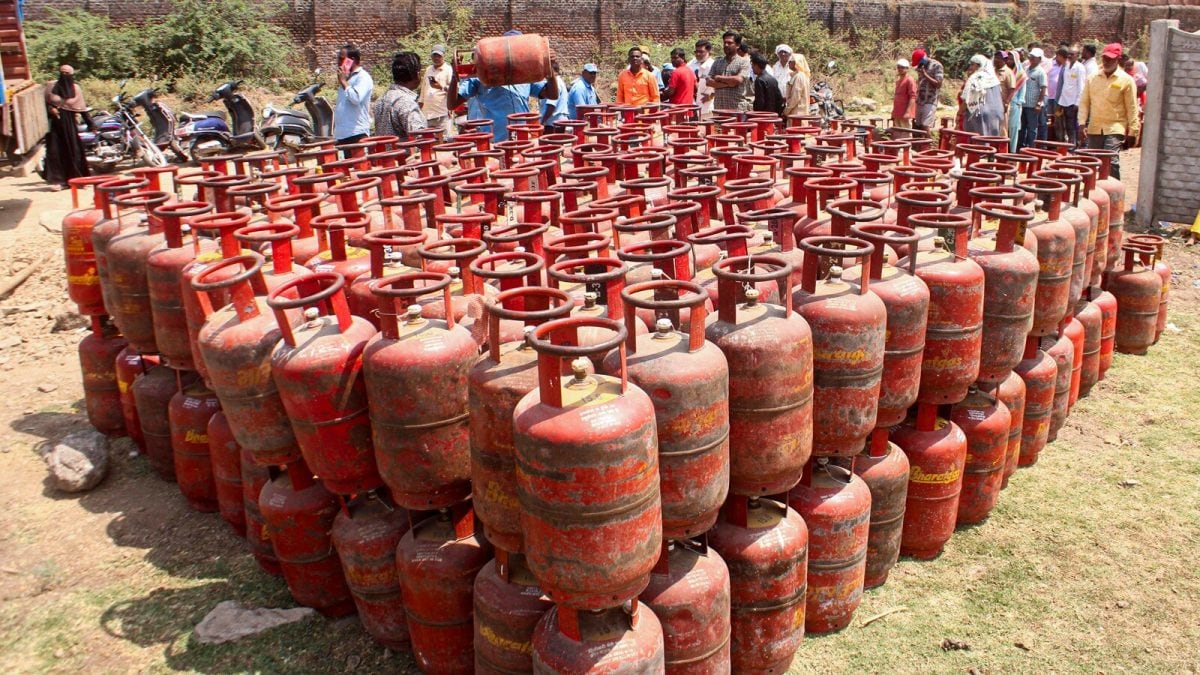
The Strait of Hormuz is the key channel through which 20 per cent of the global energy supply – and majority of the gas supply from Qatar – passes in large carriers. Qatar, UAE, Kuwait have all been hit by the closure of the Strait, and that has led to a global rise in prices of oil and gas, and impacted the supply of cooking gas in India and other countries.
The government has been working with different partners and Iran on reopening the Strait of Hormuz.
The Chair’s statement said the meeting discussed a number of areas of possible collective, coordinated, action”, and listed four such measures:
* “Increase international diplomatic pressure, including through the UN, to send clear and co-ordinated messages to Iran to permit unimpeded transit passage through the Strait of Hormuz and to comprehensively reject the imposition of tolls on vessels which seek to pass through.”
Story continues below this ad
* “Explore co-ordinated economic and political measures, such as sanctions, to bear down on Iran if the Strait remains closed.”
* “Work together with the International Maritime Organisation to secure the release of thousands of ships and sailors trapped in the Strait and get shipping moving again.”
* “Joint arrangements to support greater market and operational confidence. This includes working with shipping operators and industry bodies to ensure coherent and timely information sharing.”







 English (US) ·