

 1 hour ago
2
1 hour ago
2
ARTICLE AD BOX

India's rapid digital connectivity, while offering progress, fuels a growing stress epidemic. Experts link constant screen time to fatigue, anxiety, and declining focus, particularly among its young, competitive population. The Times of India's 'Let's D-stress' initiative aims to foster healthier digital habits, urging a balance between technological advancement and mental well-being for a nation on the move.
Phones wake people up in the morning and stay beside the pillow at night. Messages arrive before breakfast. Meetings stretch across screens all day. Social media fills the gaps in between.India has become one of the most connected societies in the world. That progress has created opportunity, speed and convenience. Yet the same connectivity has brought a new pressure: the feeling of never being able to log off.Mental health experts link long hours of screen exposure with fatigue, anxiety and declining focus. India now stands at a moment where digital progress must be matched with digital balance. Recognising this growing need, The Times of India has launched an initiative called “Let’s D-stress” to start a nationwide conversation about healthier digital habits.
India’s growing stress epidemic
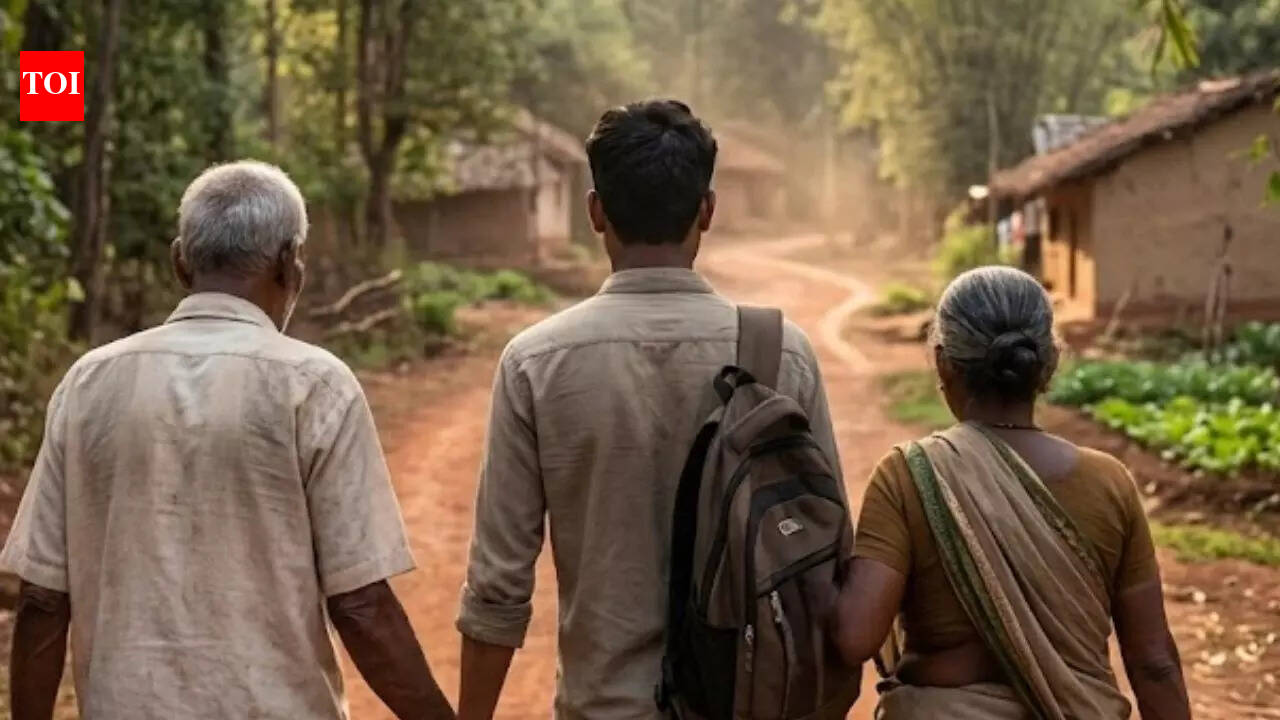
India’s young population faces intense competition in education, careers and urban life. The pressure often shows up as burnout, sleep problems or emotional fatigue. Technology has made work faster, but it has also made it constant.Students face digital classrooms, online exams and social media comparison. Professionals manage emails long after office hours. Families sit in the same room but often look at different screens.
Stress builds slowly. Many people only notice it when sleep breaks, attention fades, or patience runs out.
The digital paradox: Connection and exhaustion
Technology has transformed India. It supports businesses, education, healthcare and governance. Yet the same tools can become overwhelming when used without boundaries.A simple example shows the paradox. Smartphones allow constant communication, but constant communication rarely allows rest.Researchers increasingly link excessive screen exposure with:
- disturbed sleep cycles
- shorter attention spans
- increased anxiety levels
- reduced face-to-face interaction
The Ministry of Electronics and Information Technology (MeitY) reports rapid growth in internet usage across the country.
India now has hundreds of millions of active internet users.More connectivity brings progress. But it also increases the risk of digital fatigue when the brain never gets time to slow down.
Why this moment matters for India
India is one of the youngest nations in the world. A large share of its population is under 35. That energy drives innovation and economic growth. But it also means millions are growing up in an always-online culture.Three realities make digital balance urgent:First, a hyper-connected generation.Young people spend several hours daily on phones, laptops and tablets.Second, intense academic and workplace competition.Performance pressure already exists. Continuous digital engagement adds another layer.Third, limited mental health awareness.Mental well-being is still misunderstood or ignored in many homes.In simple terms, the country is moving fast. Minds need space to keep up.
‘Let’s D-stress’
The Let’s D-stress campaign brings together research, public awareness and practical action.The initiative partners with leading institutions such as:IIT DelhiNIMHANSCENABH
Building a healthier digital future
India’s digital revolution is one of the country’s greatest success stories. But every revolution needs reflection.A healthier relationship with technology does not mean abandoning devices. It means using them with intention. A short walk without a phone. A dinner conversation without notifications. A few quiet minutes before sleep. These small pauses allow the mind to recover.Scan the QR code to take a scientific psychological assessment of your digital habits.Interested in hosting a digital health workshop at your housing society? Email: [email protected]







 English (US) ·