

 4 days ago
11
4 days ago
11
ARTICLE AD BOX
Last Updated:March 31, 2026, 08:15 IST
The Delhi Economic Survey highlights how millions of visitors continue to be drawn to these heritage sites each year, reflecting their architectural brilliance.
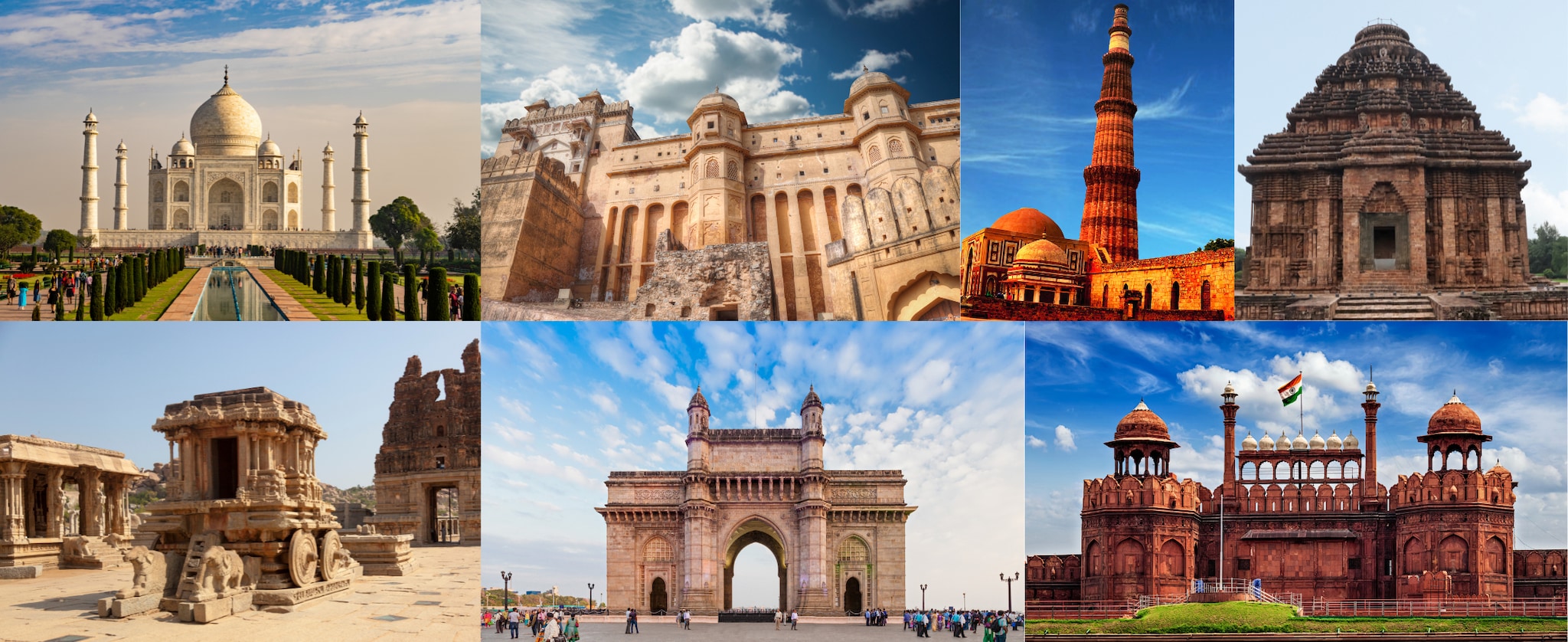
Visitor statistics provide valuable insight into the cultural and historical landmarks that continue to attract millions across India. The latest Delhi Economic Survey highlights how footfall reflects not only tourism trends but also the enduring significance of monuments shaped by Mughal architecture, temple craftsmanship, and centuries of preservation. Each site represents a chapter in India’s heritage, where design and symbolism meet ongoing conservation efforts to ensure their survival amid growing crowds and environmental pressures.
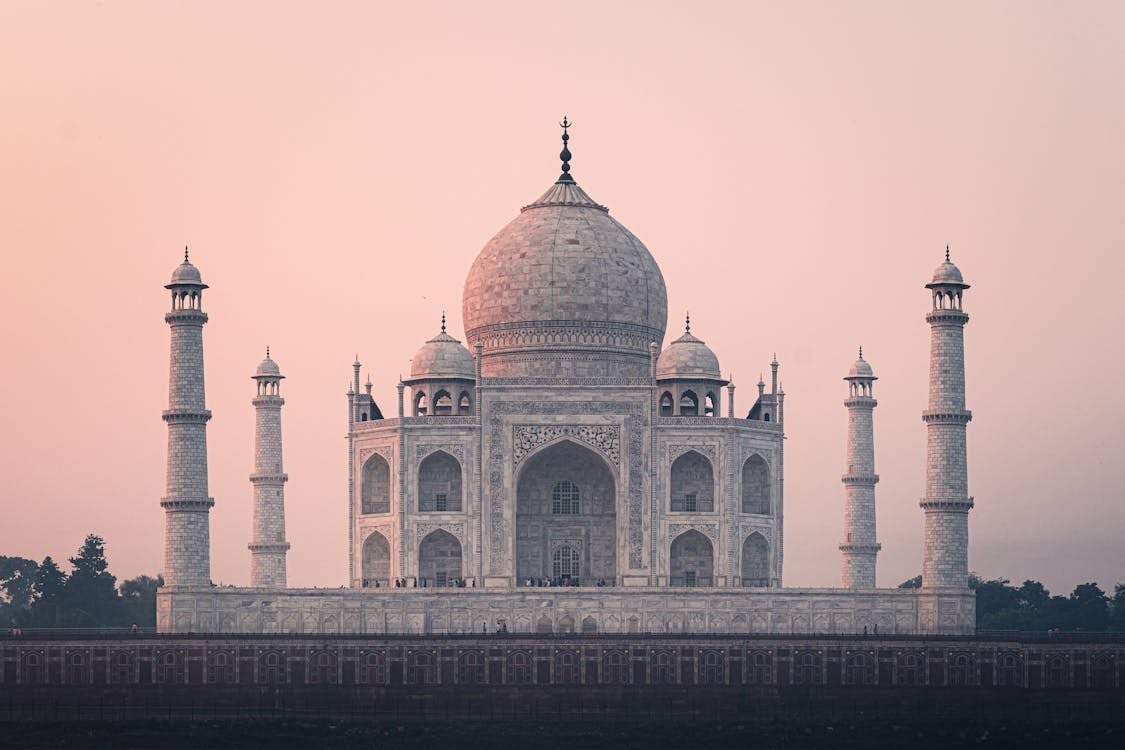
Taj Mahal, Agra, Uttar Pradesh: With 62.64 lakh visitors, the Taj Mahal remains India’s most beloved monument. Commissioned in 1632 by Shah Jahan in memory of Mumtaz Mahal, its ivory-white Makrana marble shifts in tone with the light, creating a living canvas of dawns and dusks. The symmetry of the dome, minarets, and charbagh gardens offers perfect balance, while pietra dura inlay work blends Persian finesse with Indian artistry. Pollution and time demand vigilance, so the Archaeological Survey of India (ASI) employs mud packs and constant monitoring to preserve its brilliance.
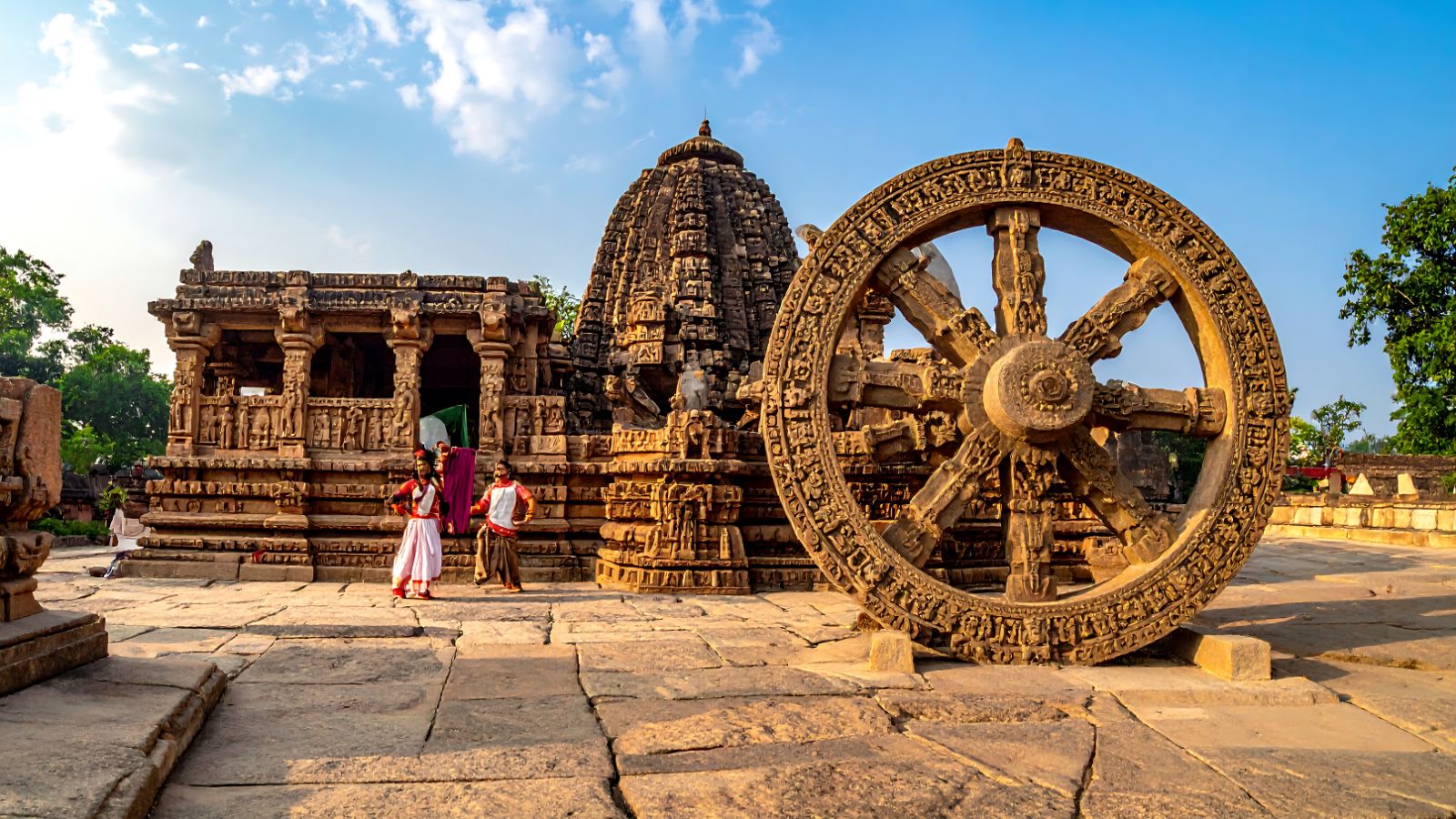
Sun Temple, Konark, Odisha: The Sun Temple at Konark, visited by 35.71 lakh people, is a marvel of scale and detail. Built in the 13th century by King Narasimhadeva I, it takes the form of a colossal stone chariot for Surya, with 12 intricately carved wheels and seven horses seemingly in motion. Though parts of the shrine have weathered away, the surviving khondalite stone carvings capture both sacred myths and everyday life. Its coastal setting brings challenges of salt and moisture, making conservation a battle against the sea itself.
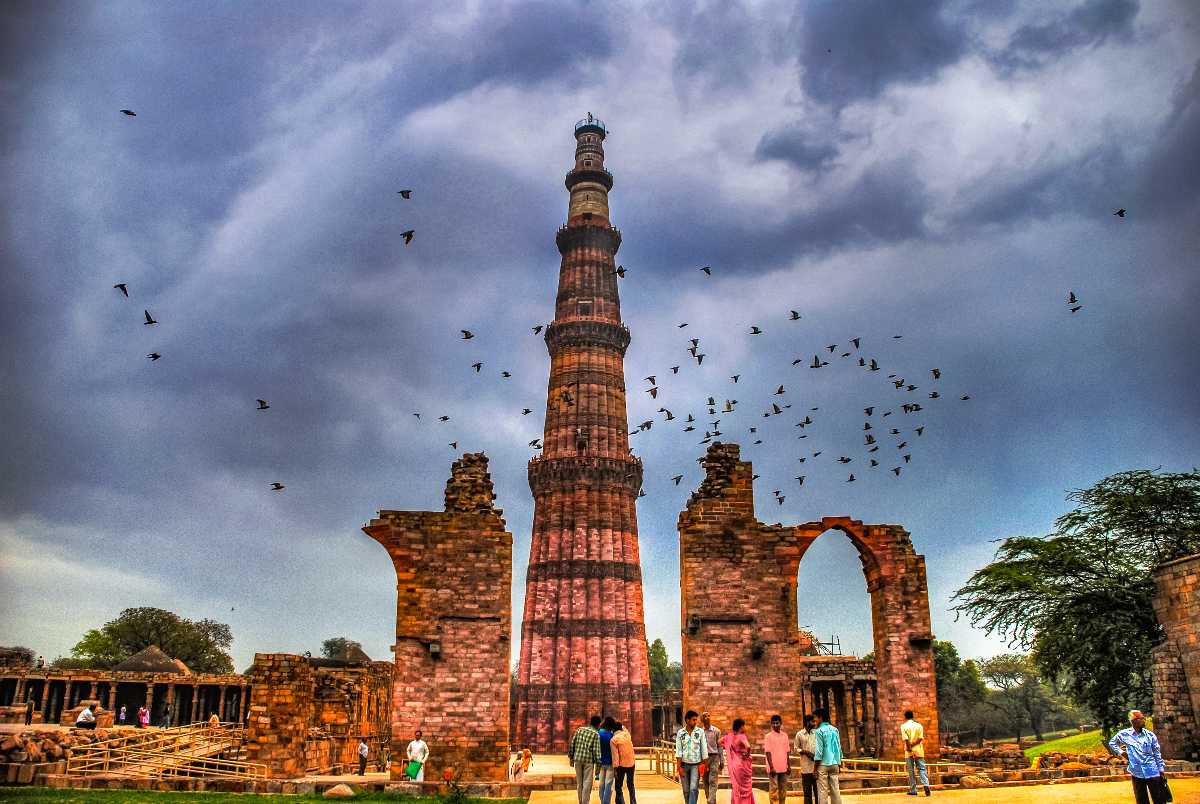
Qutub Minar, Delhi: At 32.04 lakh visitors, the Qutub Minar towers above Delhi as it has since 1199. Begun by Qutb-ud-din Aibak and completed by successive rulers, its fluted sandstone shaft is wrapped in carved inscriptions that spiral upward. The surrounding complex, home to the Quwwat-ul-Islam Mosque and the Iron Pillar, layers centuries of history in one space. Heavy footfall demands careful regulation, with repairs and monitoring ensuring the monument’s stability while keeping its story accessible.
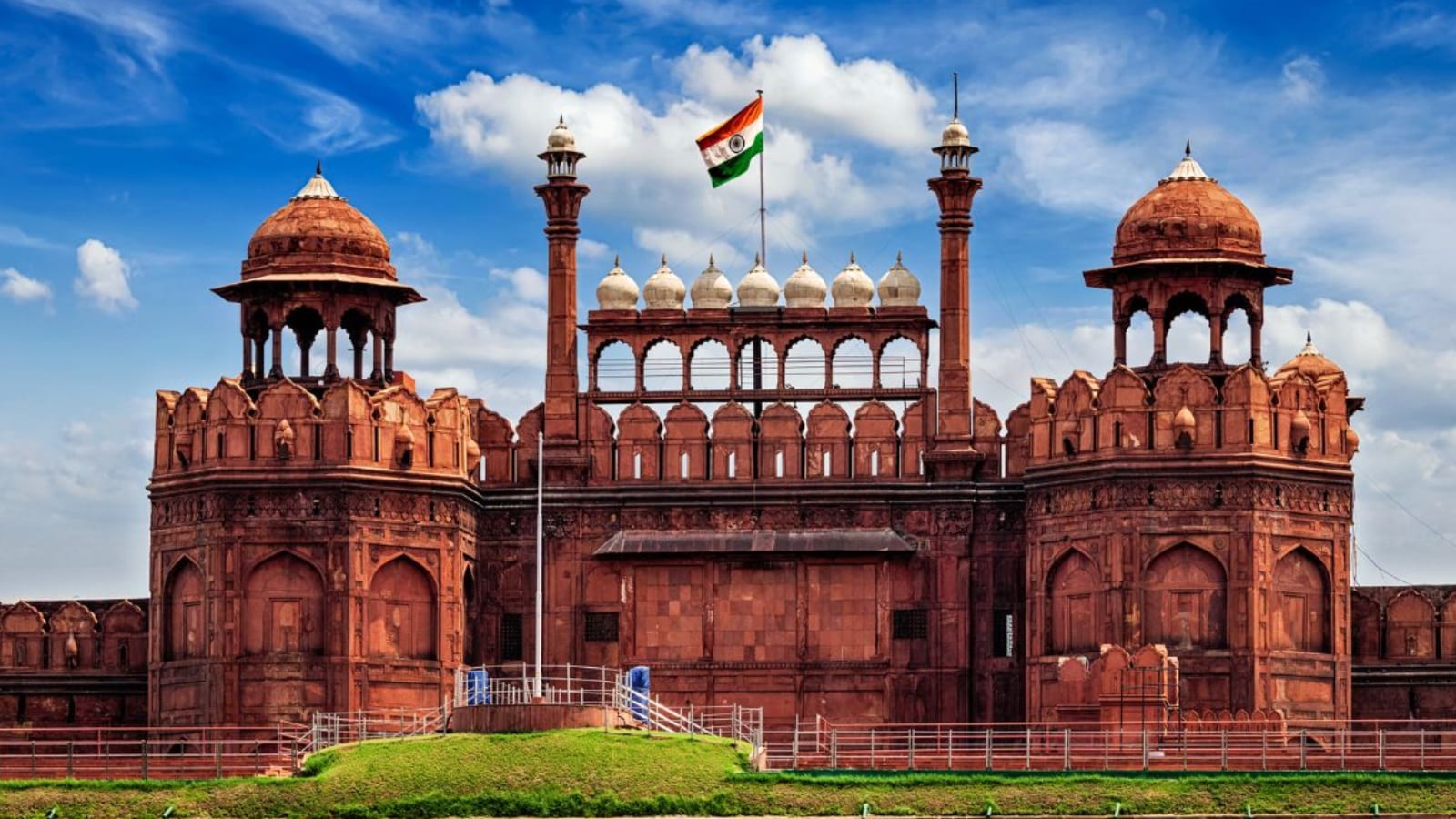
Red Fort, Delhi: The Red Fort, with 28.84 lakh visitors, is both a Mughal legacy and a living symbol of modern India. Built in 1648 as Shah Jahan’s imperial seat, its red sandstone walls once enclosed palaces, audience halls, and gardens alive with courtly rituals. Today, spaces like the Diwan-i-Aam and Diwan-i-Khas still echo ceremonial rhythms. Restoration of water systems, crowd management during national events, and ongoing conservation keep this UNESCO World Heritage site vibrant amid the pressures of contemporary Delhi.
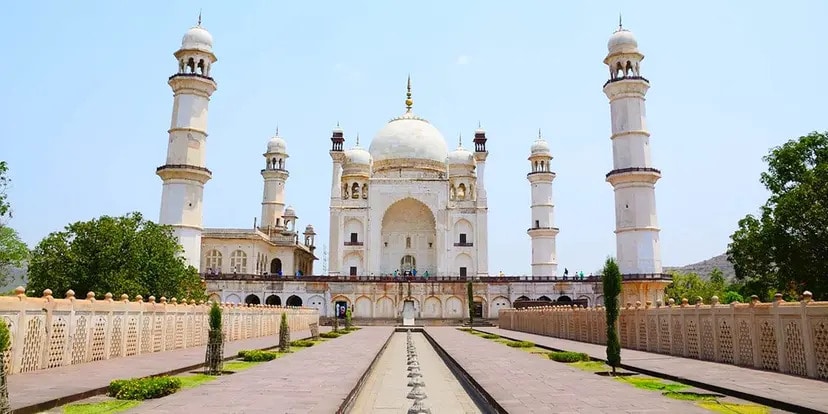
Bibi Ka Maqbara, Aurangabad, Maharashtra: Often called the “Taj of the Deccan,” Bibi Ka Maqbara draws 20.04 lakh visitors seeking a quieter counterpart to Agra’s icon. Built in the late 17th century by Prince Azam Shah for his mother Dilras Banu Begum, it mirrors the Taj’s garden layout but uses marble sparingly over a basalt and plaster core. Its symmetry and gardens still create a serene experience, while conservation focuses on repairing plasterwork and maintaining the landscape that frames its beauty.
Check US Israel Iran War News, Pakistan And Afghanistan War Latest Updates, Dubai News Today. News18 Lifestyle section brings you the latest news updates on health, fashion, travel, food, indian and international events, sex and relationship advice, beauty tips, travel inspiration and recipes. Join the fun, play games on News18. Also Download the News18 App to stay updated.








 English (US) ·