

 1 hour ago
7
1 hour ago
7
ARTICLE AD BOX
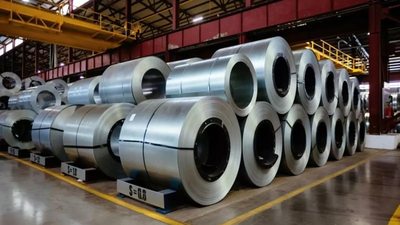
NEW DELHI: Amid disruption in supply chains, including inputs for medicines to glass, sulphur, solvents and polymers, industry has approached govt with multiple suggestions, ranging from relief in loans for small businesses staring at turning to non-performing assets due to lack of gas availability to operationalising a "green corridor" for goods flow to ports such as Sohar, Jeddah and Khorfakkan.It has also called for restricting the use of certain inputs, such as helium, and developing a domestic war risk insurance market. The lack of gas for industries has affected several sectors, be it ceramic or dyeing units, steel, aluminium or plastics.While freight rates have gone up, reflecting in a 20% jump in Drewry World Container index between Feb 26 and Thursday ($2,279 for a 40-feet container), availability is becoming a challenge, which is hurting supply chains as ships take a longer route and go around the Cape of Good Hope to reach Europe or the US.
Going forward, a container supply crunch is widely expected.TOI spoke to industry representatives and one of the suggestions in their proposals to govt is a time-bound freight support mechanism to offset the impact, especially for smaller businesses.The supply disruptions from West Asia are prompting Chinese companies to jack up active pharma ingredient rates, including for blood pressure and sugar medicines.
There are suggestions to tap alternate markets for fertilisers (Canada for potash, Russia and Egypt for urea). And, same for sulphur where export curbs have been proposed, apart from sourcing from Russia, the US and Kazakhstan. When it comes to helium used for MRI, industry has suggested restricting non-essential use, sourcing from Russia and also recovery from geo-thermal sources.Some of the industrial clusters are also seeking access to alternate fuel, such as furnace oil, diesel and cooking to gas and permission for a quick switchover.
In addition, like households, there is a suggestion to let industrial and commercial users, with dual fuel capability, prioritise piped gas over LPG."There is a need to establish a technical priority, with 80-90% continuity of LNG supply on an average for industries, such as glass, speciality chemicals and ceramics for next four-six weeks," said an industry executive. With furnaces shut due to unavailability of gas, food and pharma packaging as well as containers for vaccines may be hit.There are demands from industries, such as chemicals and petrochem, to suspend or reduce tariffs for three-six months due to a surge in costs.Besides, there are proposals for a Covid-like loan relief for sectors hit by gas supply woes. One of the suggestions is a sector-specific advisory by RBI, allowing banks to treat gas-dependent manufacturing clusters as a temporary event and allowing asset classification standstill for 90 days.There are also some medium- to long-term solutions with developing a permanent domestic war-risk insurance framework on conflict-related maritime disruption being flagged. Similarly, there have been calls for bilateral air freight agreements, with alternate routing countries in central Asia, east Africa and southeast Asia, apart from creating a hedging framework for ATF.But, it isn't just airlines and shipping lines that have been hit. The impact is felt on export-import rail cargo, where volumes are said to be up to 40% lower in certain areas, forcing operators to stable around 50 rakes and empty wagon movement has risen to 15-20% compared with under 5% in normal times. Some relief has been sought from railways too.Further, road developers have suggested that the current situation should be a force majeure-line event and the project timelines should be extended due to the 30-40% rise in bitumen cost.








 English (US) ·