

 1 hour ago
3
1 hour ago
3
ARTICLE AD BOX
In 1564, on New Year’s Eve, England’s longest river, the Thames, which usually flowed freely, froze completely from one side to the other. People lit bonfires on the ice, roasted oxen, and danced.
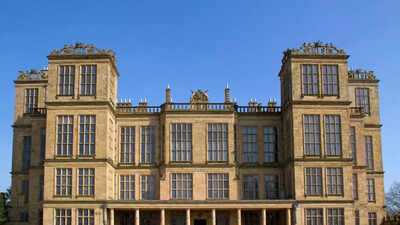
Some stories even say Queen Elizabeth I practised archery on the frozen river as reported by the BBC. Nearly 30 years earlier, in 1537, King Henry VIII and his queen had ridden down the river in a sleigh. These very cold winters happened because of a period called the Little Ice Age, which lasted from the 14th to the 19th century. It brought ice festivals but also caused famines, sudden frosts, and soldiers sometimes freezing to death even in summer.There comes the perfect example of how they tackled extreme cold. Step inside Hardwick Hall in Derbyshire. Pale yellow walls, endless rows of windows, turrets reaching skyward. Glass was a luxury than expensive enough to mark wealth. The house was designed to keep really warm. In a period called the Little Ice Age, when rivers froze, crops failed, and frost killed soldiers in summer. Elizabeth (Bess), Countess of Shrewsbury, seemingly knew how to use the sun, the walls, and even fireplaces to stay cosy.
It seems the Elizabethans might have understood thermal comfort more than we give them credit for. And some of their tricks are surprisingly relevant today.
Elizabeth’s clever tricks for staying warm: The secrets of Hardwick Hall
As reported by the BBC, Hardwick's “old” Hall sits slightly off east-west. The hall, built in the 1590s, was rotated nearly 90 degrees. North-south orientation. This meant more sunlight, more heat. Bess reportedly moved around the house with the sun. Morning light in the east-facing Long Gallery.
Afternoon warmth in her bedchambers on the south-west side. Kitchens are tucked into the coldest north-west corner, practical for keeping food fresh.Walking around, I can almost feel it. The kitchens are noticeably cooler. The sun does its work. It seems almost deliberate, even if no one wrote it down. “They definitely thought about using the Sun in the design of Hardwick,” says Elena Williams from the National Trust.It’s not just sunlight. Some north-facing windows are fake, lined with lead, blocked up inside. Fireplaces are stacked along a central spine. Massive. 1.37 metres thick. That’s thermal mass. Heat is stored, released slowly, and measurements today suggest it can feel 10 degrees C warmer inside than outside on a freezing winter’s day. Maybe only 2-3 degrees C warmer. Curtains, tapestries, layers of clothing, and further insulation.
The Elizabethans layered their warmth like we layer our thoughts about comfort.
Hardwick Hall shows how a simple design can beat the cold
Hardwick might be unique, experts say. Careful geometry, smart orientation, fireplaces, walls, windows. All combined to make the house livable in a brutal climate. Some academics believe it inspired later designs: Solar Pavilions, council estates in London with south-facing terraces. Sun-soaking isn’t just for the rich. It’s a principle.
Simple, effective.Modern homes often ignore this. Glass skyscrapers, energy-hungry air conditioning, and heating systems are trying to override poorly designed spaces. But small changes can make a difference. Desk by a south-east window. Planting trees for shade in summer. Use the sun rather than fight it. It might not replace heating entirely. But it can reduce energy use.








 English (US) ·