

 1 hour ago
7
1 hour ago
7
ARTICLE AD BOX
Last Updated:June 27, 2026, 14:21 IST
From an underground station at Jewar Airport to rising property prices in Surat and Vadodara — India's 4,000-km bullet train expansion is bigger than most realise.
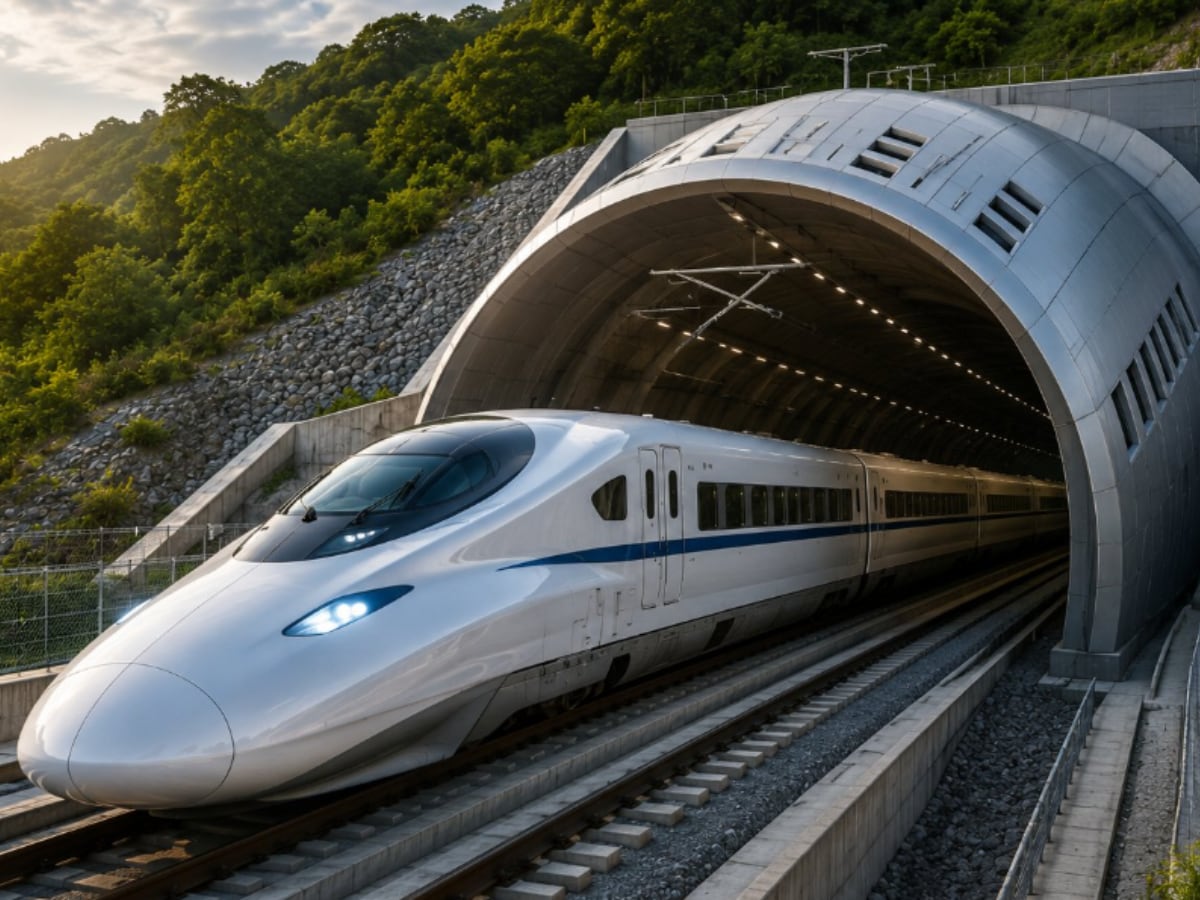
India's bullet train ambitions are no longer just about one route. The National High Speed Rail Corporation (NHSRCL) has floated a global tender to prepare standard designs for all permanent structures — bridges, elevated sections, tunnels, and stations — across seven new high-speed corridors spanning 4,000 km under the Bharat High Speed Rail Programme.
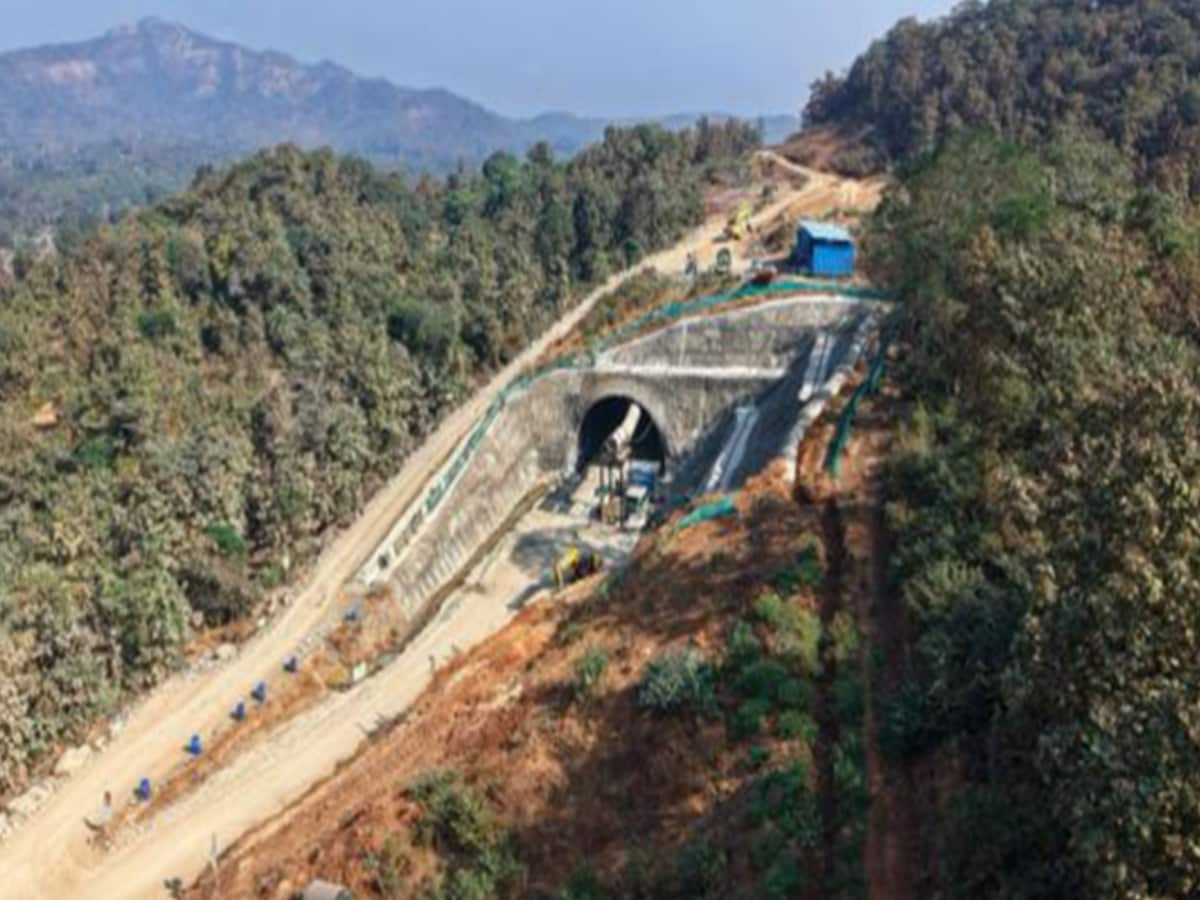
Unlike the Mumbai-Ahmedabad corridor, which followed Japanese Shinkansen standards, the next phase will run at a design speed of 350 kmph and use India's own structural standards — a significant step toward engineering self-reliance under the Make in India push.
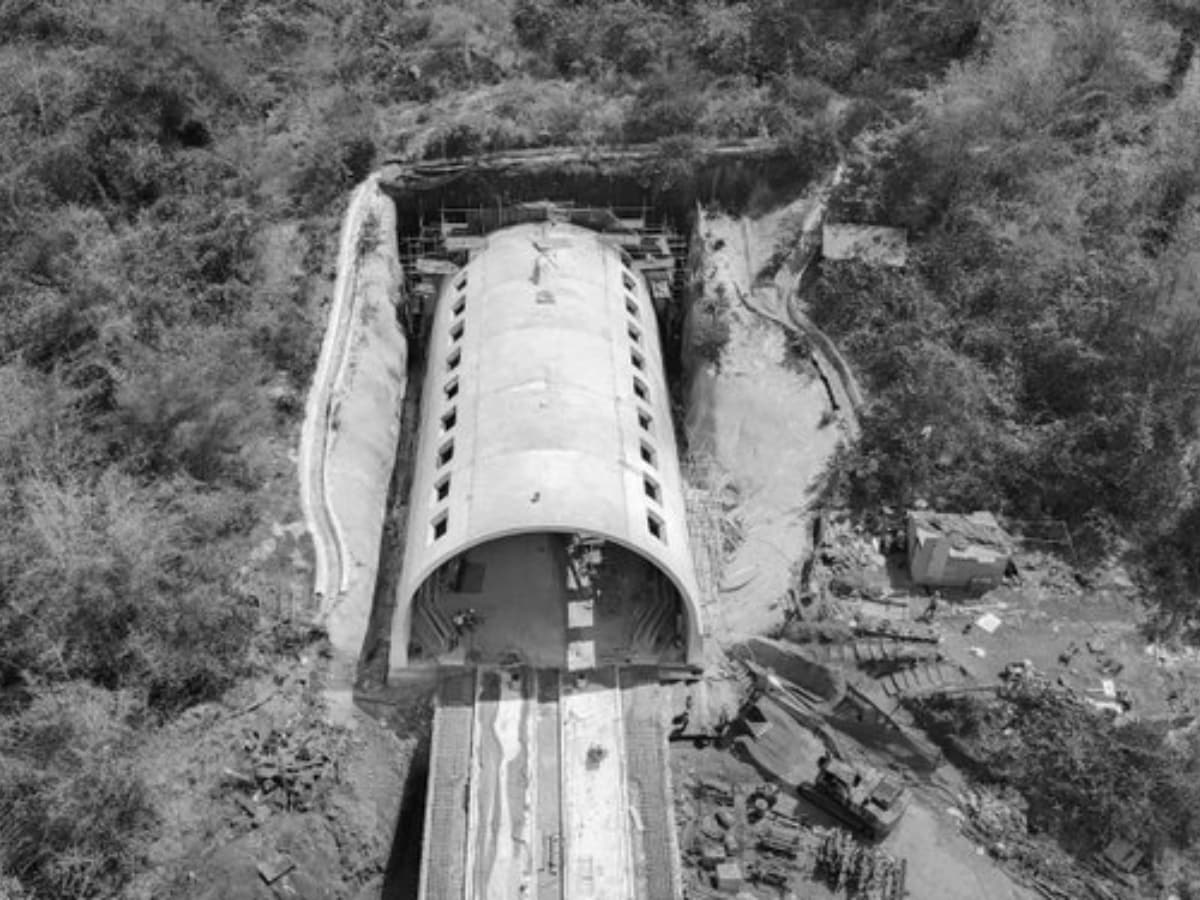
The seven corridors already in the pipeline include Delhi-Varanasi, which will feature one of the most technically ambitious elements of the entire programme — an underground station beneath Jewar Airport in Noida, complete with a 9.4 km tunnel connecting it to the surface network.
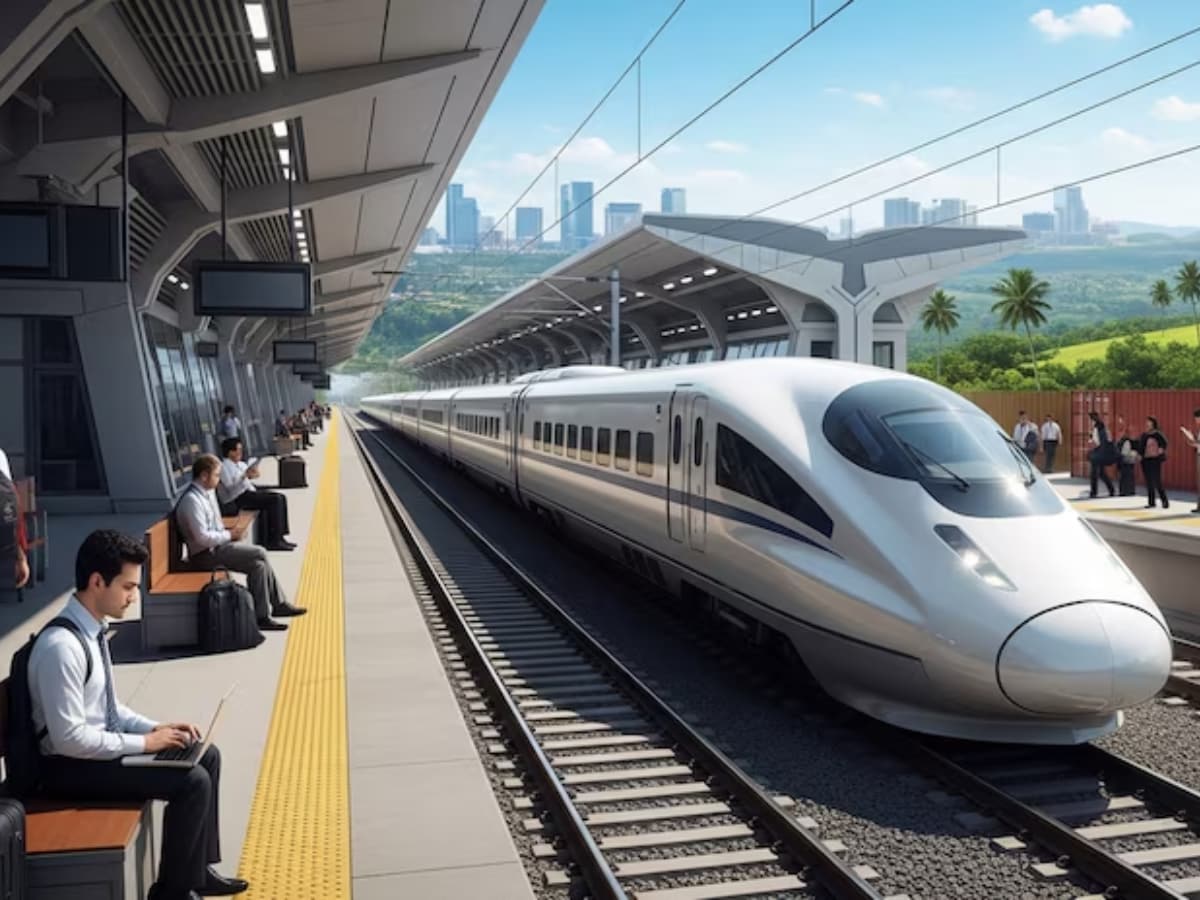
Detailed project reports for four of the seven corridors have already been sanctioned. For the remaining three, surveys are currently underway, with alignment validation and geotechnical investigation works also being fast-tracked to match NHSRCL's accelerated execution timeline.
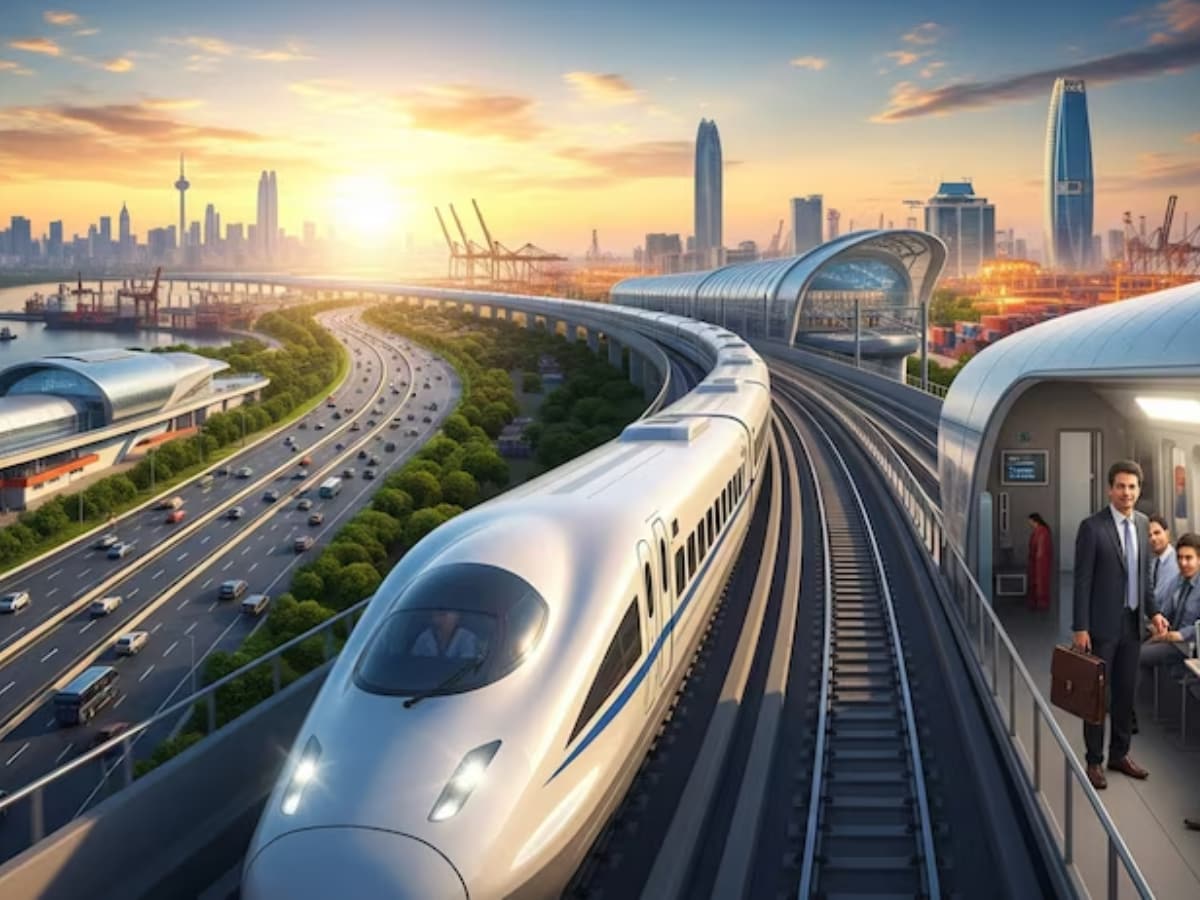
Back on the original 508-km Mumbai-Ahmedabad corridor, 12 stations are set to reshape how India's west coast moves — from Mumbai and Thane in Maharashtra through Surat and Vadodara to Ahmedabad and Sabarmati in Gujarat. Each station node is already drawing attention from real estate developers.
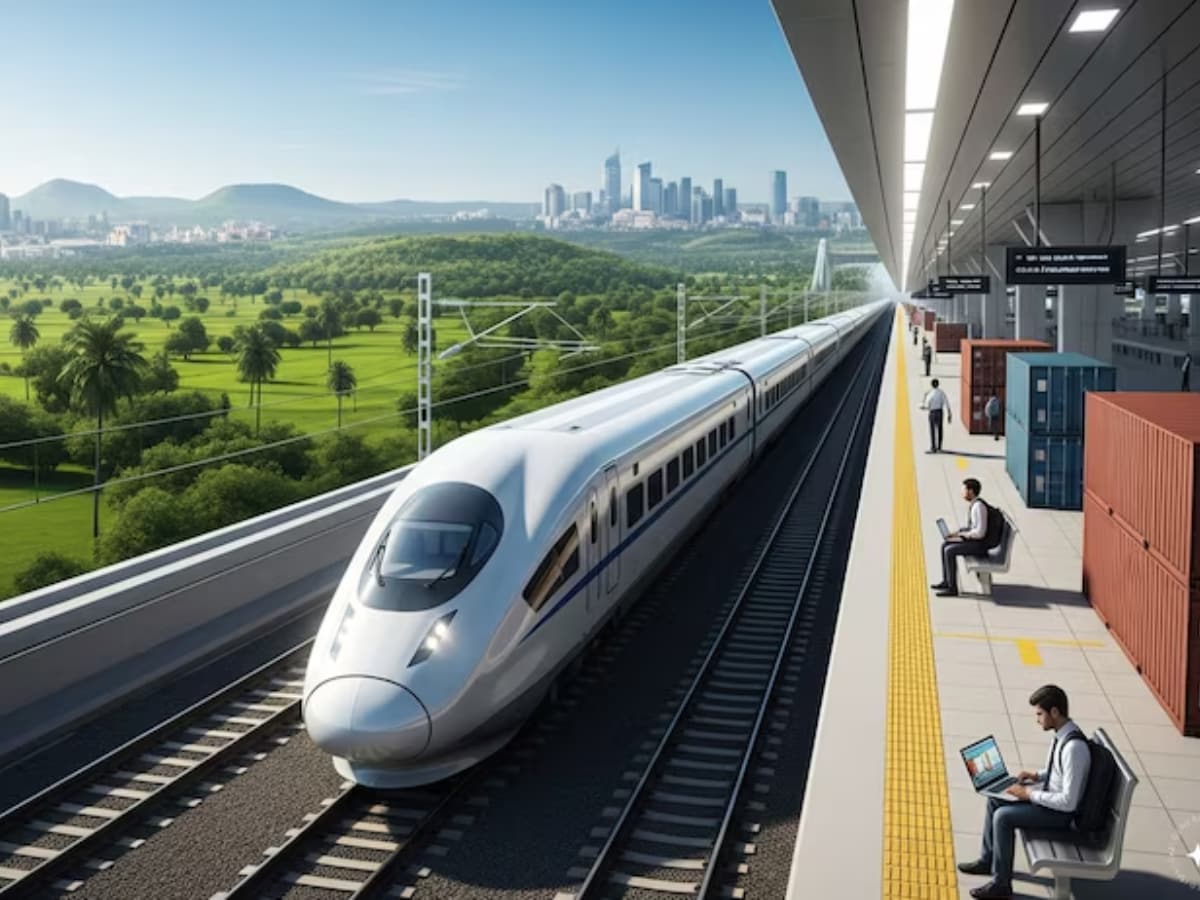
Surat and Vadodara are among the stations expected to see the sharpest property interest — Surat for its booming textile and diamond trade, and Vadodara for its established manufacturing and education base. Analysts at JLL India have noted that major transit projects of this scale can push property values up 10 to 20 percent over several years.
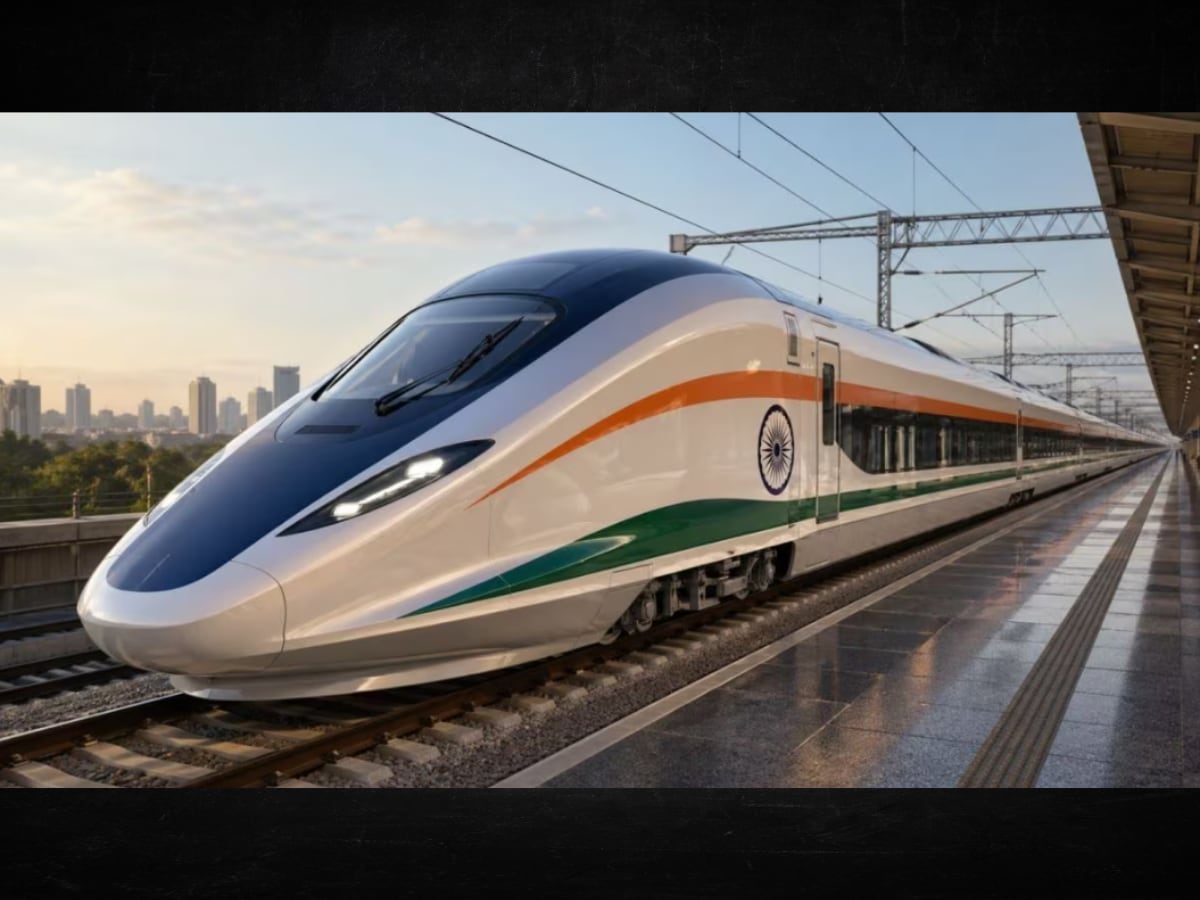
Further north on the route, Boisar and Vapi stand out for industrial real estate potential — Boisar for its proximity to the Delhi-Mumbai Industrial Corridor and Vapi for its dense concentration of manufacturing units. Both are expected to attract logistics parks, warehousing, and affordable housing as connectivity improves.
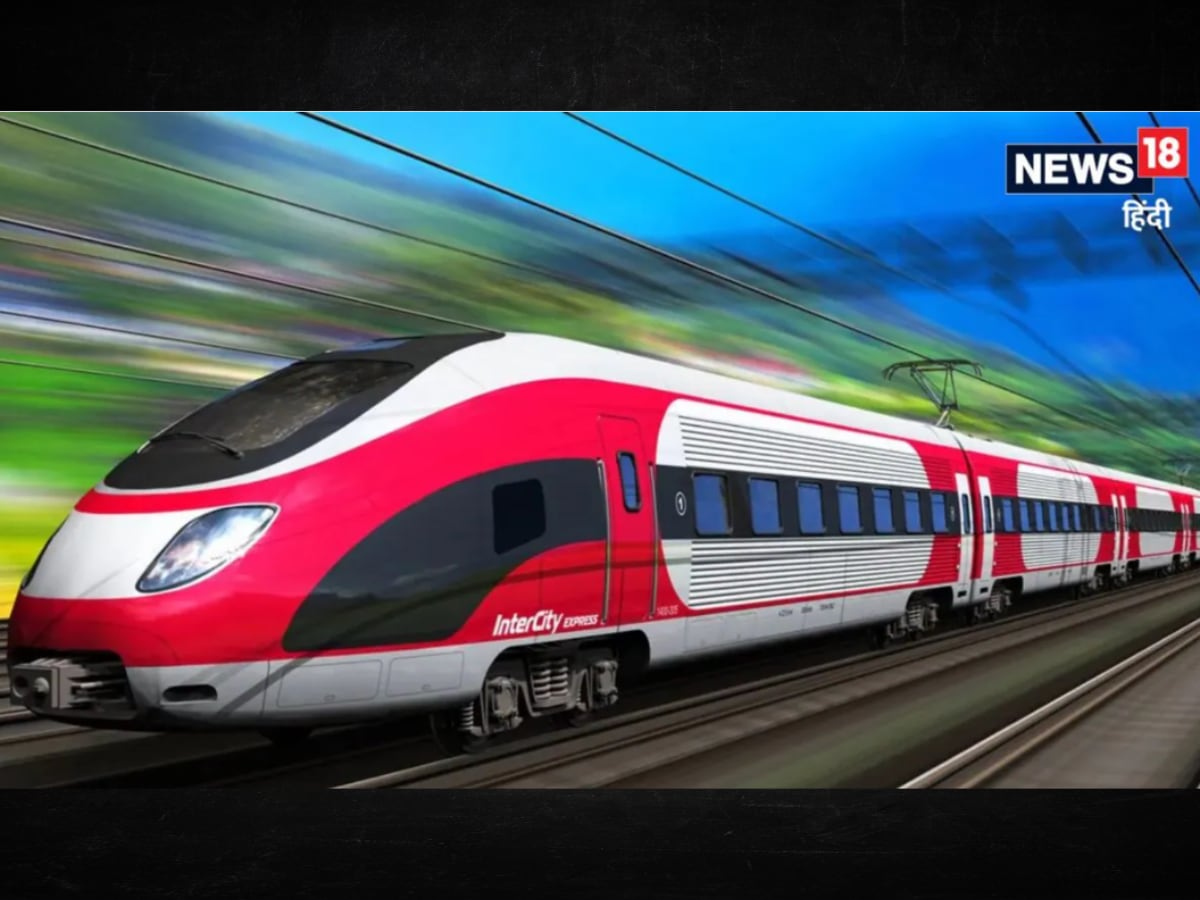
At the Ahmedabad end, Sabarmati is emerging as the corridor's most strategically positioned station — a planned tri-modal hub connecting the bullet train, the Ahmedabad Metro, and the existing railway network. Developers are already eyeing it for commercial offices, retail, hospitality, and premium residential projects.
News Photogallery cities mumbai-news Inside India's Bullet Train Push: 350 kmph, Underground Jewar Airport Station & Property Booms Along Route








 English (US) ·