

 1 hour ago
2
1 hour ago
2
ARTICLE AD BOX
Last Updated:April 27, 2026, 15:16 IST
According to an intel assessment, Iranian Foreign Minister Abbas Araghchi’s multi-country outreach is part of a deliberate effort to diversify diplomatic channels


The move signals Iran’s intent to seek technical and strategic backing from Moscow, particularly on sensitive nuclear issues. (AFP)
A recent intelligence assessment accessed by CNN-News18 suggests that Iran is recalibrating its diplomatic strategy after the failure of the Islamabad talks, widening its outreach to multiple global players and reducing reliance on any single mediator, including Pakistan.
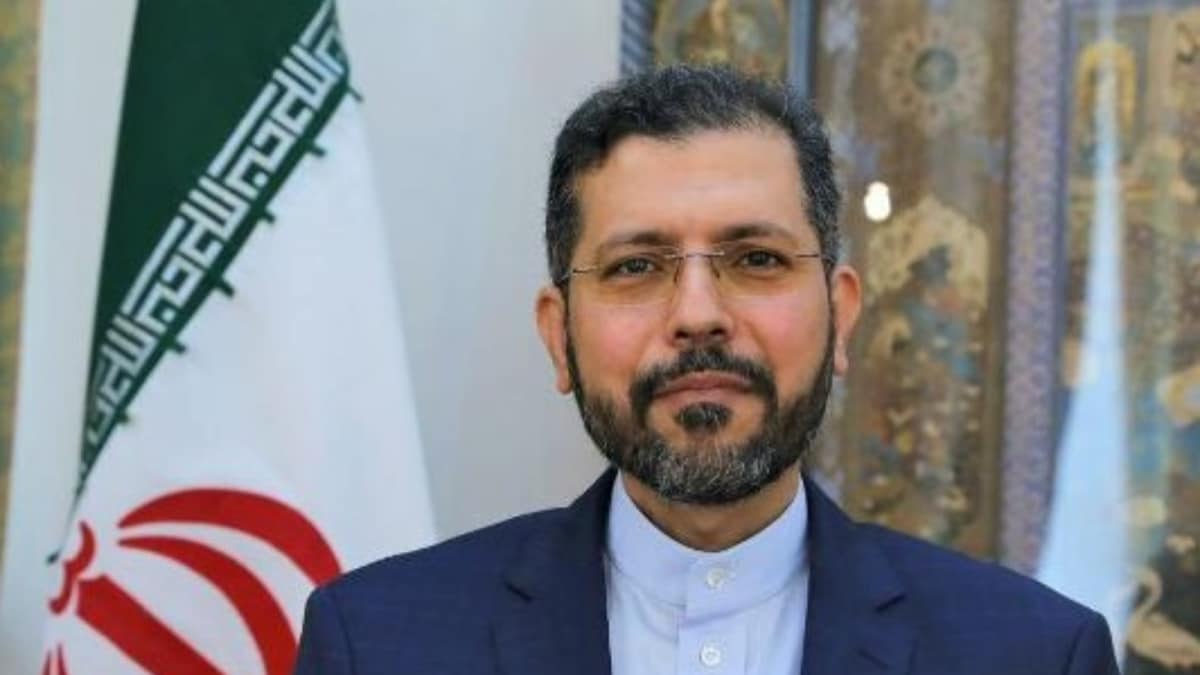
According to the assessment, Iranian Foreign Minister Abbas Araghchi’s multi-country outreach is part of a deliberate effort to diversify diplomatic channels. While Tehran engaged with Islamabad to signal its continued relevance, the note indicates that Iran is no longer willing to depend solely on Pakistan as an intermediary in its negotiations with the United States.
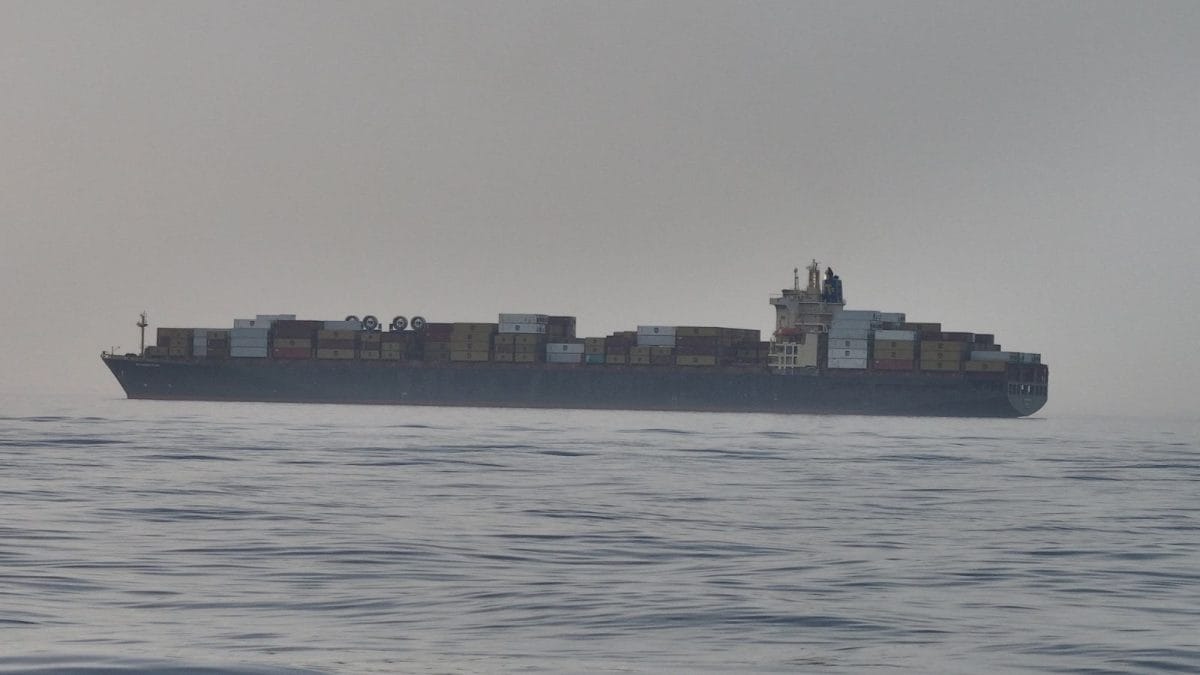
The breakdown of talks in Islamabad is attributed primarily to irreconcilable differences between Iran and the US on three key issues: Security guarantees, control and access around the Strait of Hormuz, and Iran’s nuclear programme. These disagreements were further compounded by the growing influence of the Islamic Revolutionary Guard Corps (IRGC), which has pushed a more hardline posture, limiting Tehran’s room for diplomatic flexibility.
The assessment notes that the current pause in hostilities is seen by Tehran not as a step toward compromise, but as a tactical pause rather than a strategic retreat.
The intelligence note is particularly critical of Pakistan’s role, suggesting that Islamabad overestimated its leverage. The Pakistani leadership reportedly assumed Iran was negotiating from a position of weakness. It is also claimed that Pakistan’s Army Chief, Asim Munir, did not fully convey Iran’s demands to the US side. This, coupled with what the note describes as “structural mistrust", has weakened Pakistan’s credibility as a neutral intermediary, especially amid Iran’s internal power shift toward the IRGC.
With the Pakistan channel faltering, Tehran is now turning to Russia as a key partner. Araghchi is expected to meet Vladimir Putin to discuss nuclear enrichment concerns, management of uranium stockpiles, and broader regional security dynamics.
The move signals Iran’s intent to seek technical and strategic backing from Moscow, particularly on sensitive nuclear issues.
The assessment also highlights parallel diplomatic efforts in the Gulf. Engagements in Muscat have focused on regional coordination. Also, outreach to Saudi Arabia and Qatar reflects Tehran’s attempt to build a broader coalition against external interference.
A key demand emerging from these discussions is the creation of a regional security framework free from foreign military presence, particularly US bases.
The note suggests that the next phase of diplomacy will likely hinge on developments in Moscow and any fresh ceasefire announcement from Washington.
For now, Iran appears to be playing a longer game, seeking guarantees from multiple power centres rather than relying on a single negotiation track.
Handpicked stories, in your inbox
A newsletter with the best of our journalism
First Published:
April 27, 2026, 15:16 IST
News world Inside Tehran's New Playbook: Why Iran Is Moving Beyond Pakistan Mediation | Exclusive
Disclaimer: Comments reflect users’ views, not News18’s. Please keep discussions respectful and constructive. Abusive, defamatory, or illegal comments will be removed. News18 may disable any comment at its discretion. By posting, you agree to our Terms of Use and Privacy Policy.
Read More




 English (US) ·