

 1 week ago
11
1 week ago
11
ARTICLE AD BOX
Last Updated:March 04, 2026, 15:00 IST
Coffee prices in India currently range between Rs 300 and Rs 400 per kilogram, but estimates suggest they could rise by 20–30% if disruptions continue.


A major flashpoint has been the blockade of the Strait of Hormuz, a critical maritime corridor through which around 20% of the world’s oil shipments pass. (Image: File photo)
Your morning coffee might soon cost more than you expect. As tensions escalate in the Middle East and global shipping routes face disruption, the ripple effects are reaching supermarket shelves and café counters. The ongoing conflict involving Iran, Israel and the United States has begun to unsettle commodity markets, with coffee prices climbing sharply.
What seems like a distant geopolitical crisis is now edging closer to home, affecting everything from global freight rates to the price of your daily brew.
A major flashpoint has been the blockade of the Strait of Hormuz, a critical maritime corridor through which around 20% of the world’s oil shipments pass.
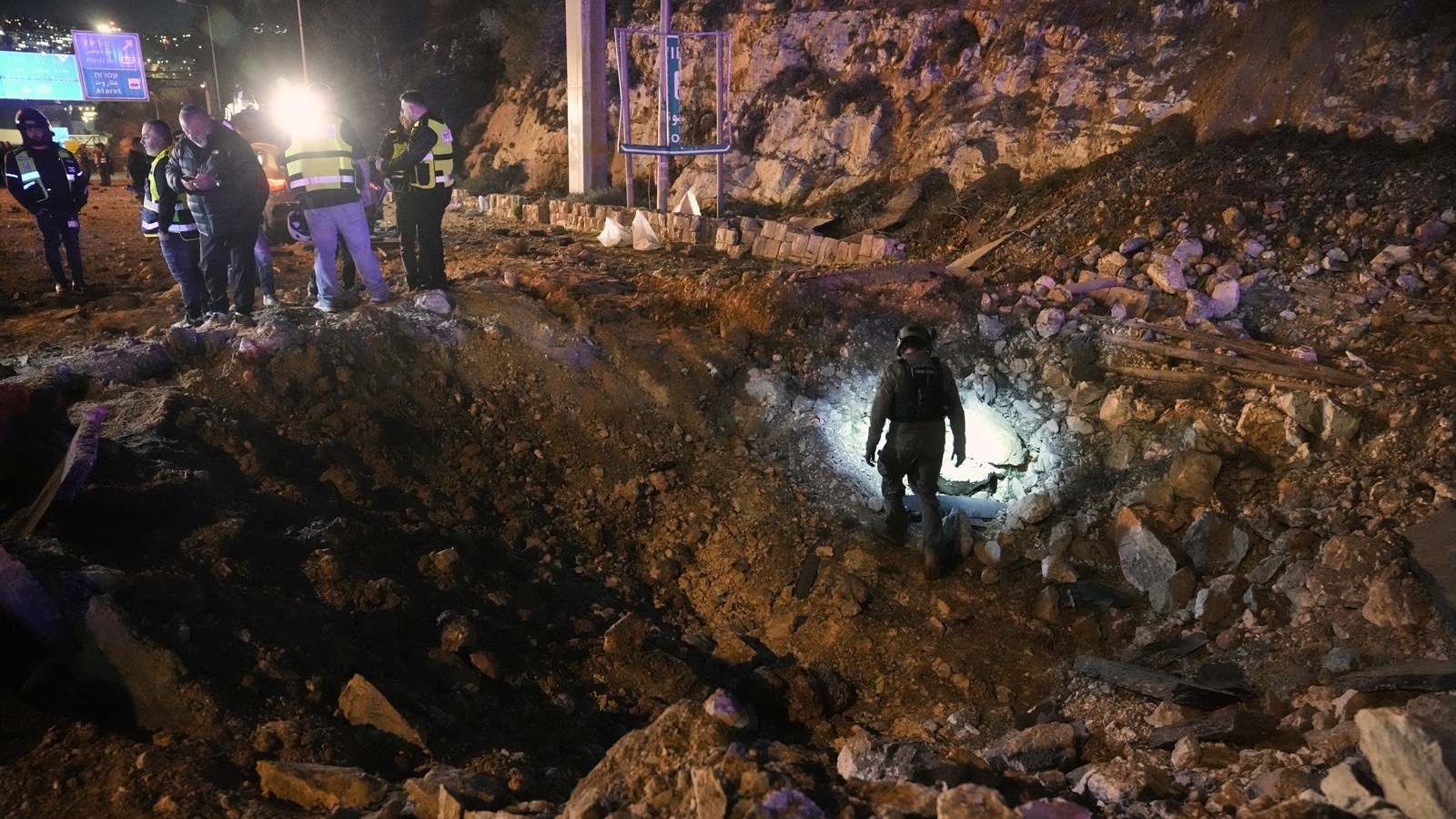
Since February 28, attacks and counter-attacks have intensified, leading to severe shipping disruptions. With vessels unable to pass through the strait, global freight rates have surged, affecting a wide range of goods, including agricultural commodities such as coffee.
Coffee Prices Soar Due to Iran-Israel Conflict
Market data reflects the pressure. May Arabica Coffee (KCK26) closed up 3.85 points, or 1.37%, at Monday’s market close. Meanwhile, May Intercontinental Exchange (ICE) Robusta Coffee (RMK26) rose by 148 points, or 4.08%, reaching a two-week high.
Supply chain uncertainty and fears of shortages are fuelling speculative buying, adding further upward momentum to prices.
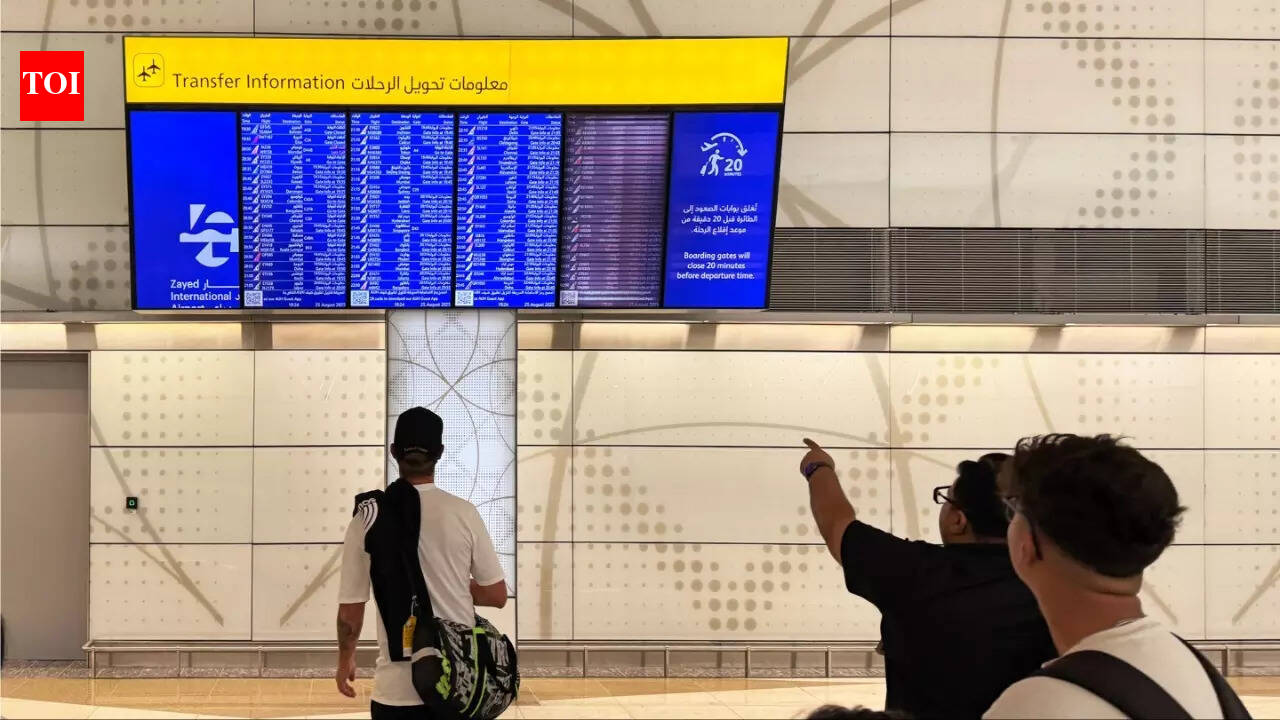
Arabica and Robusta dominate the global coffee market. Arabica is primarily produced in Brazil, Colombia and Ethiopia, while Robusta comes largely from Vietnam, Indonesia and India. Ethiopian exporters, in particular, are facing soaring logistics and shipping costs as traditional trade routes through the Middle East are disrupted. With airspace closures and suspended flights compounding delays, transportation has become both slower and significantly more expensive.
Although India is a major coffee producer and exporter of both Arabica and Robusta varieties, domestic consumers are unlikely to escape the impact. Coffee prices in India currently range between Rs 300 and Rs 400 per kilogram, but estimates suggest they could rise by 20–30% if disruptions continue. Hospitality businesses, including major chains such as Starbucks and Cafe Coffee Day, may be forced to pass on higher costs to customers.
Economic Blow from Strait of Hormuz Blockade
Experts warn that the full effect of rising raw material and fuel prices may take up to a year to filter through to retail shelves. With oil prices also climbing due to the conflict, cultivation and transportation costs have increased further.
Declining exports from countries such as Ethiopia and Sudan have added to fears of tightening global supply, while even major producers like Brazil and Vietnam are indirectly affected as trade routes shift.
First Published:
March 04, 2026, 15:00 IST
News lifestyle food Iran-Israel War: Coffee Prices Surge As Conflict Disrupts Supply Routes— Is Your Daily Cup About to Cost More?
Disclaimer: Comments reflect users’ views, not News18’s. Please keep discussions respectful and constructive. Abusive, defamatory, or illegal comments will be removed. News18 may disable any comment at its discretion. By posting, you agree to our Terms of Use and Privacy Policy.

Stay Ahead, Read Faster
Scan the QR code to download the News18 app and enjoy a seamless news experience anytime, anywhere.







 English (US) ·