

 2 hours ago
5
2 hours ago
5
ARTICLE AD BOX
Last Updated:March 09, 2026, 11:56 IST
Around 63% of India’s nitrogen fertiliser imports come from Gulf countries such as Saudi Arabia, Oman, Qatar and the UAE. For DAP, the Gulf accounts for roughly 32% of imports


India consumes about 35-36 million tonnes of urea annually, while the production is approximately 28-29 million tonnes per year. (AFP)
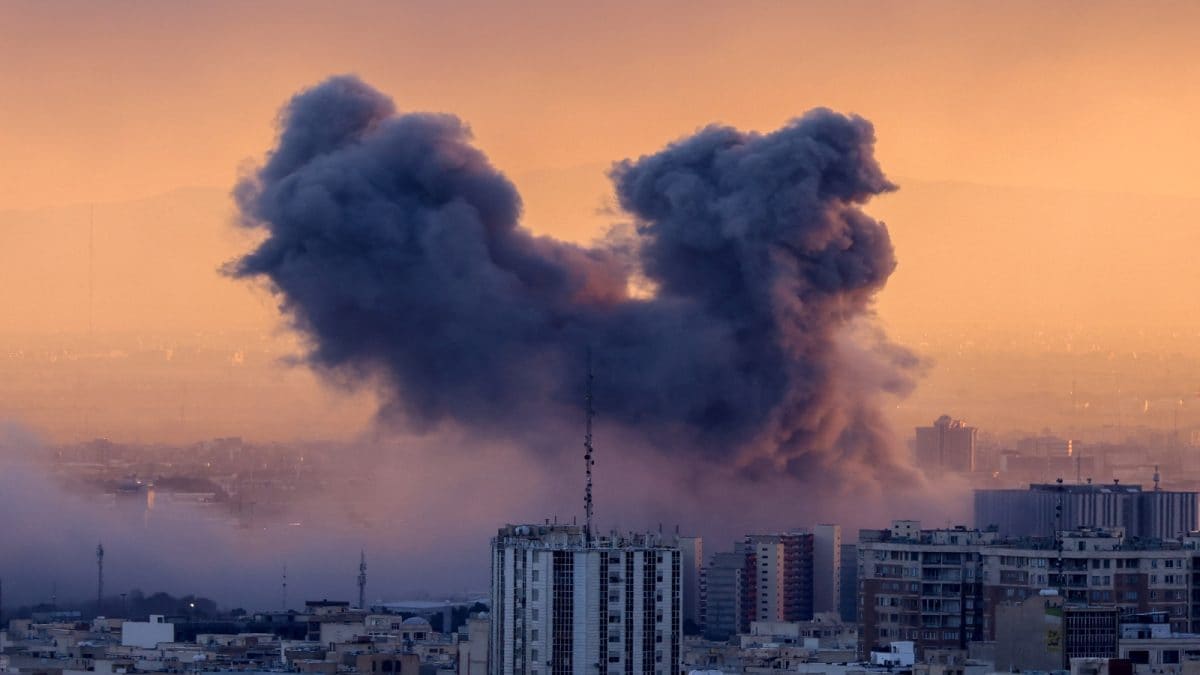
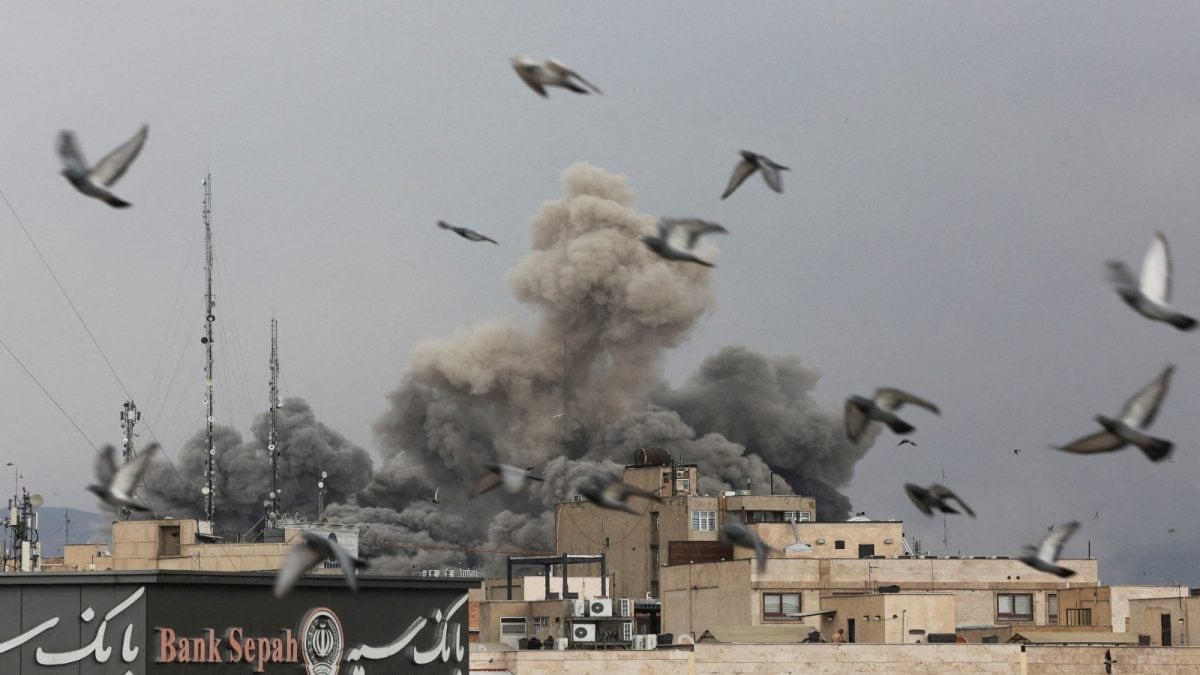
The escalating tensions in West Asia have brought into focus a lesser-known vulnerability in India’s agricultural system—its heavy reliance on fertiliser imports from the Gulf. As the Iran-Israel conflict disrupts shipping routes, energy markets and food supplies, experts warn that fertiliser supply chains could face pressure in the coming months.
According to analysis by policy researcher Girish Avadhany, India’s imports are highly concentrated in Gulf producers.
Around 63 per cent of India’s nitrogen fertiliser imports come from Gulf countries such as Saudi Arabia, Oman, Qatar and the UAE. For DAP (di-ammonium phosphate), the Gulf accounts for roughly 32 per cent of imports.
1/ India’s fertilizer imports are insanely concentrated. ~ 63% of nitrogen fertilizer imports come from Gulf producers (Saudi, Oman, Qatar, UAE). For DAP, the Gulf accounts for ~32%. Huge pc of India’s food production runs through this fertilizer corridor.data:@sohbetkarbuz pic.twitter.com/D0E5lMn9HS
— Girish Avadhany (@AvadhanyGirish) March 8, 2026
This means a large portion of India’s food production depends on fertiliser supply routes passing through the Gulf and the Strait of Hormuz, one of the world’s most important shipping corridors.
Analysts cited by Scroll note that disruptions in this route could affect the movement of key fertiliser inputs such as urea, ammonia and phosphates, which are essential for agriculture and global food production.
India’s Massive Fertiliser Demand
One of the top fertiliser consumers globally is India, especially for urea. Moneycontrol estimates that India consumes about 35-36 million tonnes of urea annually, while the production is approximately 28-29 million tonnes per year.
As a result, there’s a shortfall of around seven million tonnes of urea each year requiring importation, despite being one of the largest global producers of fertiliser.
Market insiders indicate that India’s reliance on urea imports creates vulnerability to political instability in the Gulf region where many of the major global suppliers are located.
Shipping Costs And Supply Worries
Already the conflict has affected fertiliser logistics. According to the Hindustan Times, shipping costs for fertiliser cargoes from the Gulf to India have increased twofold due to higher insurance rates for war risk, as well as increased security concerns regarding vessels.
The Indian Express also states that fertilisers could become the “soft underbelly" of the war, given that their production and trade are largely dependent on natural gas and shipping routes throughout the Middle East.
Natural Gas: The Hidden Link
A second significant vulnerability is natural gas, which is critical to producing urea fertiliser. The Times of India reports that nearly 100 per cent of urea in the fertiliser sector relies on imported LNG (Natural Gas). Therefore, if there is a disruption in Gulf supply of gas, it can lead to a decrease in urea production at domestic plants, and production must increase to meet increased demands before Kharif planting season starts.
The Policy Factor Behind High Urea Use
India’s fertiliser demand is also shaped by policy. Avadhany notes that since 1977, urea prices have been tightly controlled by the government, while other fertilisers such as phosphatic and potassic nutrients moved toward market-linked pricing.
Because urea remained artificially cheap, farmers increasingly relied on it. This has distorted fertiliser usage patterns, he argues:
The ideal nutrient ratio (N:P:K) is about 4:2:1. In India, the actual ratio used by farmers is closer to 7-8:3:1.
In simple terms, Indian farms receive far more nitrogen (urea) than agronomy recommends, largely because subsidies make it the cheapest input. This policy structure has pushed demand far above domestic supply, forcing India to rely on imports.
The Silver Lining
Despite the risks, the immediate situation appears stable as the government assures that India’s fertiliser inventory is “robust and secure", with sufficient stocks available for farmers.
According to an article by The Times of India, the total amount of Urea was approximately 5.5 (5.5) million tons at the end of February 2023, compared to the previous year’s levels of about 4.9. In this regard, by having fertiliser procured and stored well in advance, the Indian government officials expect to meet anticipated demand for agricultural products in a volatile pricing environment through global market volatility.
First Published:
March 09, 2026, 11:56 IST
News explainers Iran-Israel War Jolts Fertiliser Supply Chains, But India Has Enough Stocks — For Now | Explained
Disclaimer: Comments reflect users’ views, not News18’s. Please keep discussions respectful and constructive. Abusive, defamatory, or illegal comments will be removed. News18 may disable any comment at its discretion. By posting, you agree to our Terms of Use and Privacy Policy.
Read More





 English (US) ·