

 2 hours ago
5
2 hours ago
5
ARTICLE AD BOX
Last Updated:June 15, 2026, 22:37 IST
Iran and the United States plan to sign an MoU in Geneva on June 19, with Iran demanding UN Security Council ratification as legal insurance after the failed 2015 JCPOA deal


Tehran [Iran], June 14 (ANI): Iranian Foreign Minister Seyyed Abbas Araghchi on Sunday said that the recent conflict involving the United States had demonstrated that "regional security cannot be based on eliminating or ignoring Iran"
Iran and the United States are scheduled to sit down in Geneva on June 19 to formally sign their memorandum of understanding. While one of the clauses in the 14-point agreement may draw less attention than the sanctions relief and the Strait of Hormuz reopening, it has the potency to outlast all of them in legal consequence.
Clause 13 of the MoU, as published by Iran’s state-linked Mehr News Agency, calls for “the ratification of the final agreement through a decision by the UN Security Council." These two words – ratification and Security Council – are part of a vocabulary that most people seldom encounter separately and rarely ever together.
Here is what they mean, individually and in combination, and why Iran is demanding this particular pairing.
What Ratification Actually Means
Ratification is how a country formally says: ‘we are legally bound by this.’ In international law, ratification is the process by which a state declares its consent to be bound by a treaty. Signing a deal is a statement of intent. Ratification is consent with legal consequence. The difference matters enormously in practice.
A country can sign an agreement and walk away before the formal ratification is complete, but once ratification occurs, the agreement carries the full weight of the country’s domestic and international legal commitments.
The ratification process typically requires a country’s parliament or parliamentary bodies to approve the agreement, if that is foreseen in the country’s constitution. In the United States, for instance, major international treaties require two-thirds approval from the Senate.
In Iran, ratification runs through the Islamic Consultative Assembly and the Guardian Council. The instrument of ratification must be signed by the head of state, head of government, or minister of foreign affairs. Only then does it legally take effect. So, ratification is the full journey from ‘we agreed’ to ‘we are bound.’
What Iran is asking for in Clause 13 is something beyond standard bilateral ratification. It wants the final deal ratified not just domestically by both countries, but also through a formal decision of the United Nations Security Council. That is a specific and significant demand.
What The UN Security Council Is, And What It Can Actually Do
The United Nations has several bodies, but the Security Council carries the only authority that produces binding decisions on all 193 member states. No other UN body can compel states to act. The General Assembly can recommend, debate, and condemn, but its resolutions are not binding.
The Security Council has five permanent members: China, France, Russia, the United Kingdom, and the United States, collectively known as the P5. Any one of them can veto a resolution. Ten other members rotate in on two-year terms and carry no veto power.
For a resolution to pass, it needs nine affirmative votes, and no negative vote from any P5 member. One P5 negative vote defeats a resolution regardless of the other 14 members’ positions. Abstention is not a veto; a P5 abstention allows a resolution to pass if nine affirmative votes exist elsewhere.
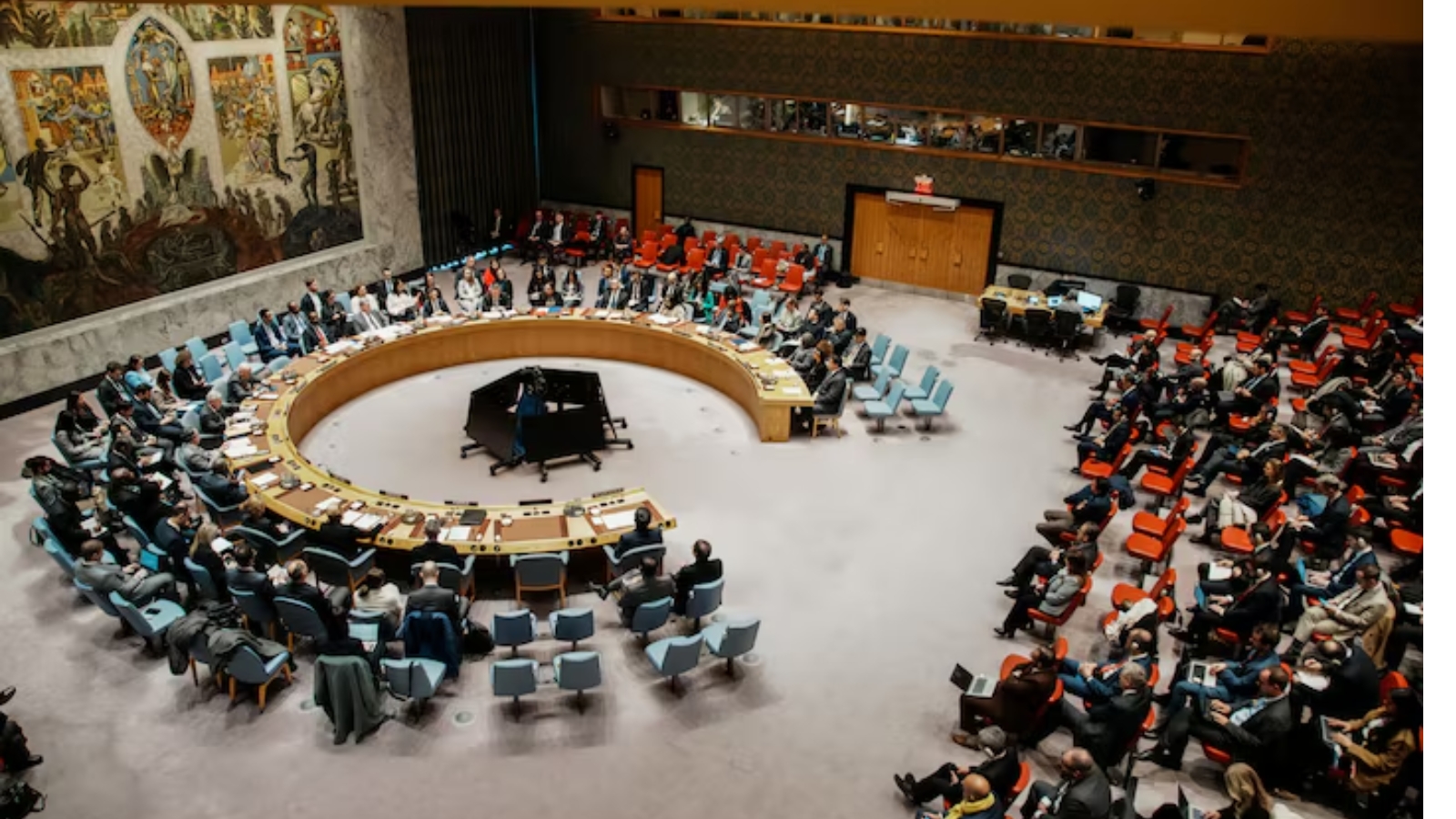
When the Council passes a resolution under Chapter VII of the UN Charter, the stakes change. Chapter VII resolutions take precedence over conflicting treaty obligations under Article 103 of the Charter and create binding obligations on all member states under international law.
The only UN body that has the power to make binding international law is the Security Council, and this only happens when it is acting under Chapter VII of the UN Charter for the maintenance of international peace and security.
Why Ratification Via The UNSC Is Iran’s Insurance Policy
Iran has been in this position before, and it did not end well. The 2015 nuclear deal, formally known as the Joint Comprehensive Plan of Action (JCPOA), was the most comprehensive diplomatic agreement Iran had reached with Western powers in decades.
On July 20, 2015, the Security Council unanimously adopted Resolution 2231 endorsing the JCPOA, wherein that resolution provided a legal framework for the agreement’s implementation and laid the groundwork for lifting UN sanctions on Iran.
At the same time, the negotiators involved built in an emergency snapback mechanism: if Iran violated its commitments, sanctions could be swiftly reimposed without the risk of a veto in the Security Council.
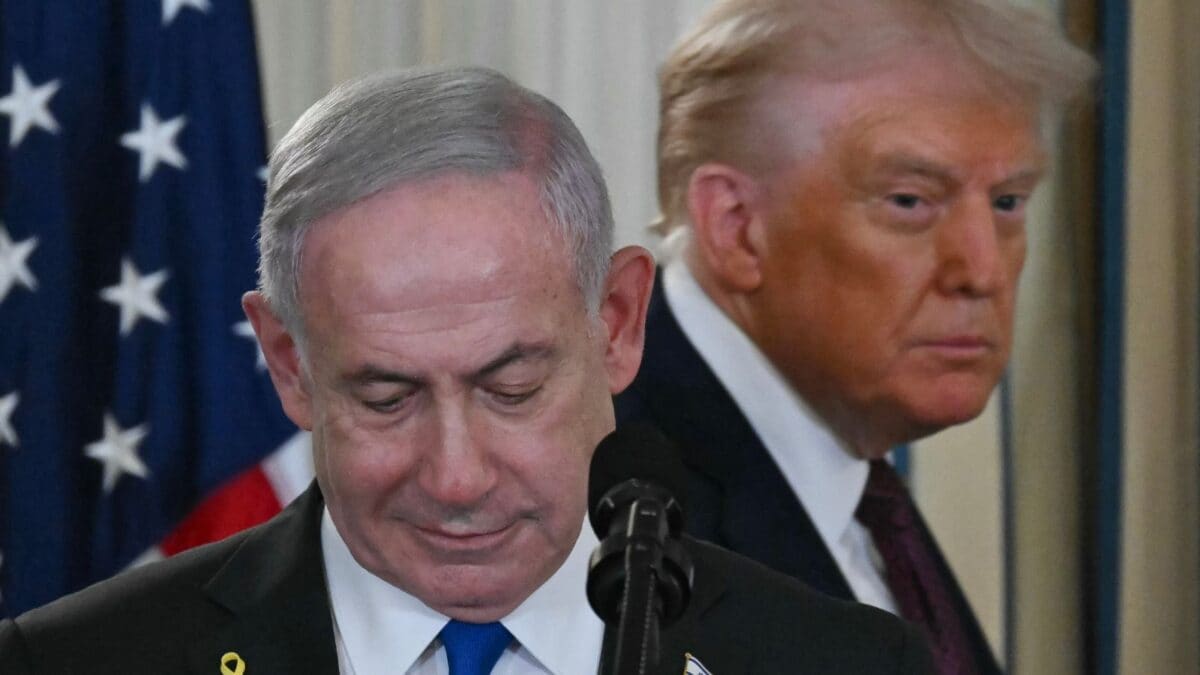
Then the United States walked away anyway. In 2018, the Trump administration withdrew from the JCPOA unilaterally, reimposed sanctions, and started what it called a maximum pressure campaign against Iran, despite the fact that the IAEA continued to certify Iran’s compliance with the agreement.
This history is precisely why Clause 13 exists. Iran’s Foreign Ministry, through its Spokesperson Esmaeil Baghaei, has acknowledged the clause, noting that if an agreement is reached, it will be formalized through a United Nations Security Council resolution ‘in order to comply with the international legal framework.’
But Baghaei was also careful to add that Iran ‘does not consider a UN Security Council resolution to be a guarantee of an agreement’ because past experience shows that the United States “has easily ignored" such resolutions.
That tension is the reality that stems at the centre of Clause 13. UNSC ratification would theoretically raise the political and legal cost for the US to walk away again. A future administration that withdrew from a UNSC-ratified deal would not just be abandoning a bilateral agreement, but would also be defying international law as codified by the organisation it helped found and still chairs as a permanent member.
The Precedent: How JCPOA’s UNSC Endorsement Worked In Practice
The 2015 experience offers the only real template for what UNSC ratification of an Iran-US agreement looks like. When Iran and the P5+1 reached the JCPOA on July 14, 2015, the UN Security Council unanimously endorsed the accord through Resolution 2231.
The resolution included provisions lifting UN sanctions that targeted Iran’s nuclear programme and retained restrictions on Iranian arms sales and ballistic missile transfers for five and eight years respectively.
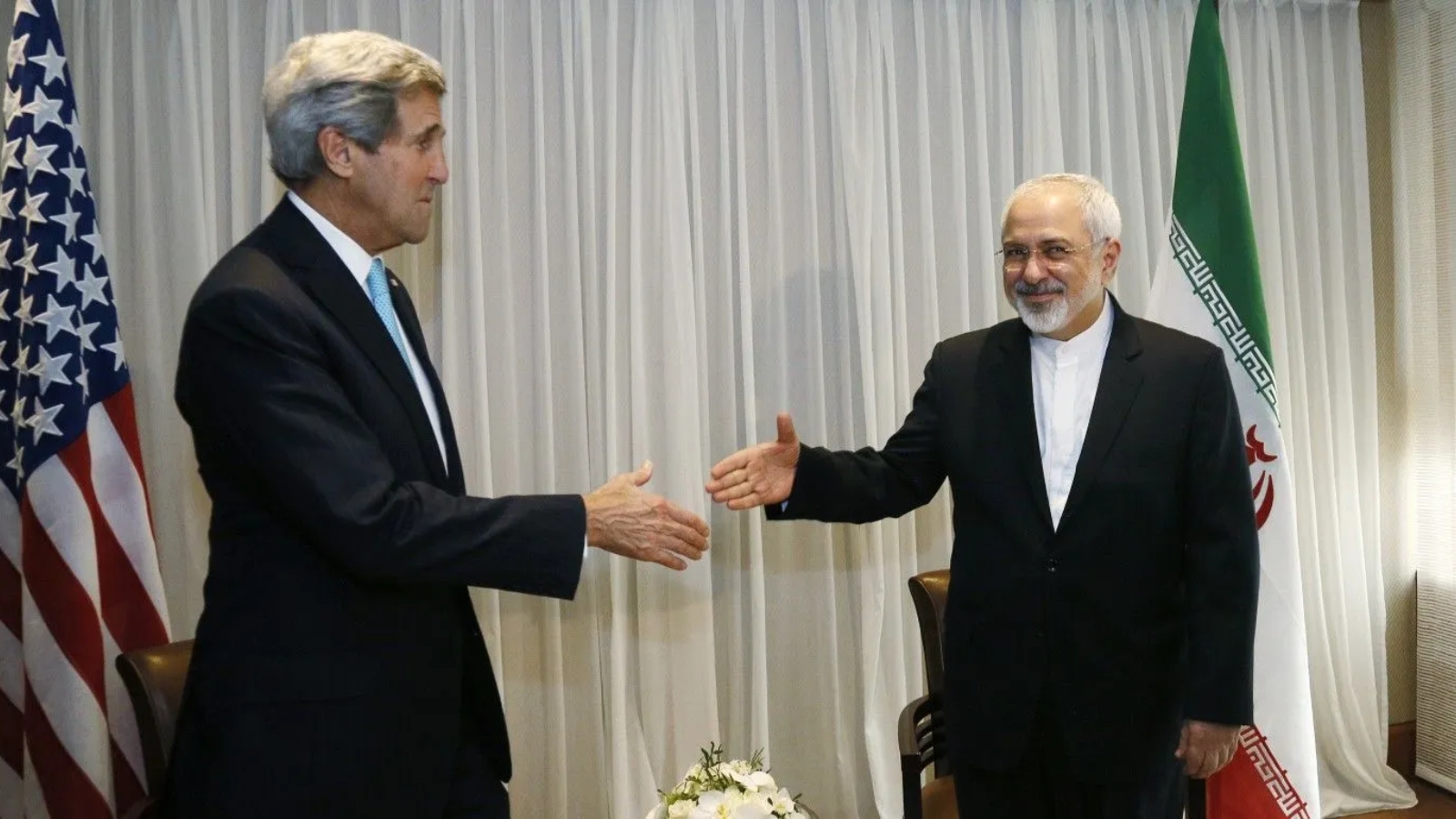
Resolution 2231 also established a snapback mechanism, allowing any participant state still party to the JCPOA to trigger the reimposition of sanctions if they believed Iran was non-compliant, without the reimposition itself being subject to veto. It was a designed-in enforcement clause.
The snapback, however, cut in only one direction: it could punish Iran, but it could not force the United States to remain party to the deal. When the US withdrew in 2018, the UNSC resolution offered no mechanism to compel Washington back. France, Germany, and the United Kingdom ultimately invoked the snapback mechanism on August 28, 2025, resulting in the reimposition of UN sanctions on September 27, 2025. By then, the JCPOA was, for practical purposes, already dead.
This is why Iran’s demand for UNSC ratification in the current MoU is simultaneously understandable and insufficient on its own. It raises the diplomatic stakes, but the Security Council has no enforcement mechanism that compels a P5 member like the United States to comply with a resolution it subsequently decides to abandon.
The veto power that makes Security Council resolutions so consequential for smaller states offers no check on the permanent members themselves.
What Happens If Either Side Blocks UNSC Ratification
Getting a UNSC resolution passed for the final Iran-US deal will require navigating all five permanent members. Russia and China have long-standing strategic relationships with Iran and have both opposed several anti-Iran resolutions in the Council.
The United States and its allies, meanwhile, have used UNSC mechanisms repeatedly to pressure Tehran, including the snapback provisions that reimposed sanctions in 2025. Any final agreement text that comes to the UNSC for ratification will need to survive this tumultuous political geography.
Trump has indicated that he sees a UNSC-ratified resolution as the endpoint for the deal, telling reporters that China had helped bring Iran to the negotiating table, with Turkey and Egypt also serving as mediators.
If the final agreement commands the support of the US, Russia, and China simultaneously, the path through the Security Council becomes viable. If any one of those three defects, the ratification clause in Clause 13 becomes a sticking point that could delay or complicate the entire framework.
What This Means Going Forward
The MoU set for signing in Geneva on June 19 is not the final agreement. The expectation is that this deal is a memorandum of understanding that will be followed by 60 days of negotiations toward a comprehensive final agreement.
Those 60 days are where the specifics of the nuclear file, the sanctions architecture, and the enforcement mechanisms will be worked out. Clause 13 is Tehran’s insistence that whatever emerges from that process must pass through New York and receive the Council’s formal stamp.
The resolutions of the Security Council, unlike those of the General Assembly, are binding upon all UN member nations. In accepting the Charter, all nations agree to accept and carry out these decisions of the Security Council.
That is the principle that Iran wants invoked. Whether the Security Council’s binding authority can hold a future US administration to a deal the current one signs is a question the 2015 experience answered with uncomfortable clarity.
However, the absence of UNSC ratification would leave the agreement with even less formal protection. Iran’s calculation, shaped by that history, is that some international legal architecture is better than none.
Handpicked stories, in your inbox
A newsletter with the best of our journalism
About the Author

Anoshito Banerjee is a digital journalist at CNN-News18, specialising in Indian foreign policy, global diplomacy, South and West Asian geopolitics, and strategic affairs. His reporting spans hard news...Read More
News world Iran Wants UNSC Stamp On Its Peace Deal With The US, Here's Why Ratification Matters
Disclaimer: Comments reflect users’ views, not News18’s. Please keep discussions respectful and constructive. Abusive, defamatory, or illegal comments will be removed. News18 may disable any comment at its discretion. By posting, you agree to our Terms of Use and Privacy Policy.
Read More


 English (US) ·