

 1 hour ago
6
1 hour ago
6
ARTICLE AD BOX
Last Updated:April 23, 2026, 17:43 IST
US-Iran War: Petrol, LPG, food and gadgets are already straining wallets in India. The Iran conflict could add fresh pressure to these costly essentials.
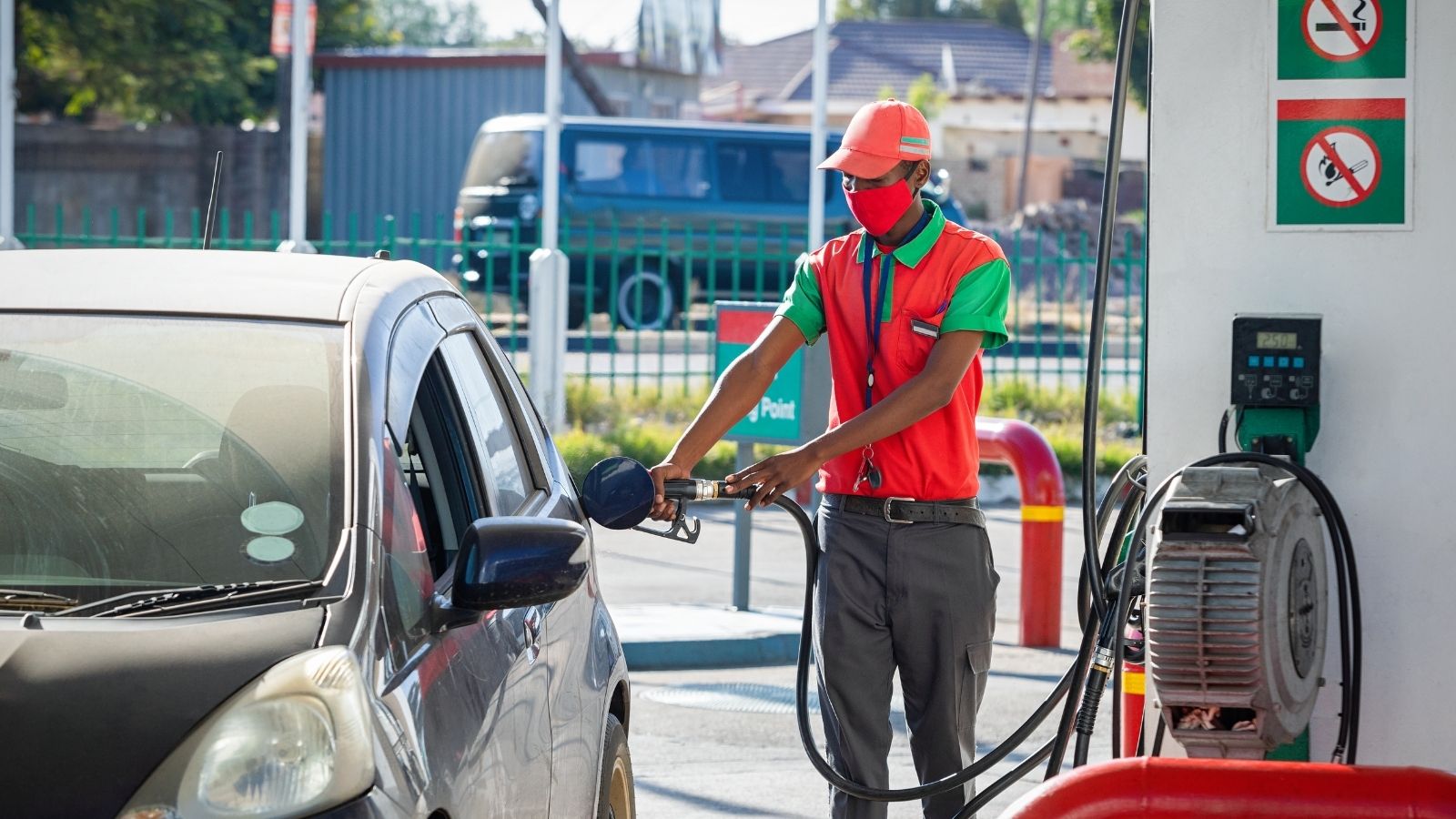
Fuel is already one of the biggest monthly expenses for many Indian households, especially commuters and transport-dependent families. Petrol and diesel prices remain sensitive to global crude oil movements, and tensions near the Strait of Hormuz add fresh uncertainty. India imports a large share of its crude, so any disruption in shipping routes can keep fuel costs elevated. Higher fuel prices also ripple into cab fares, bus tickets, courier charges and goods transport. For consumers already paying heavily for mobility, sustained geopolitical tensions may keep relief out of reach.
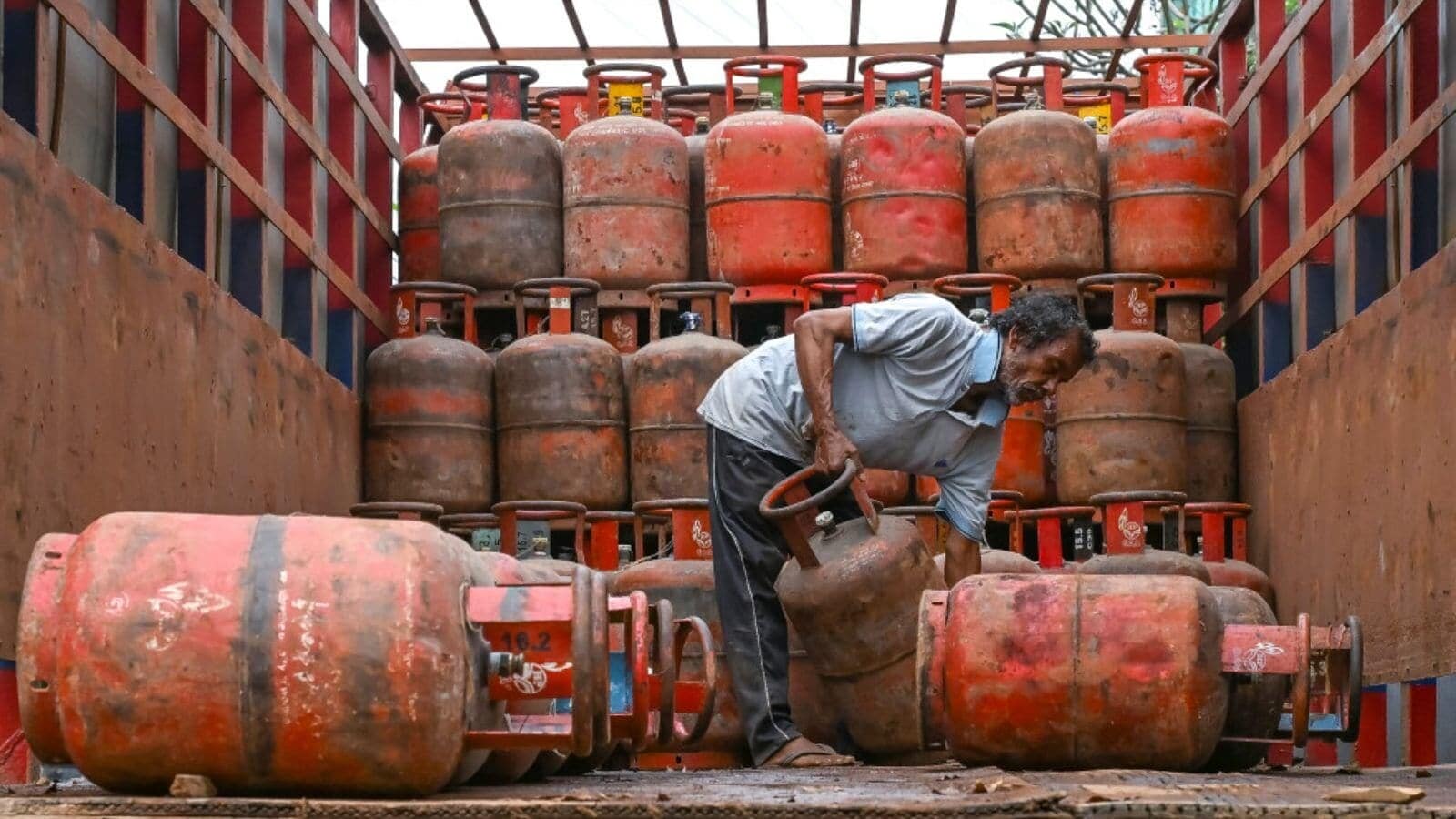
Cooking gas is already a major household expense, especially for middle-class and lower-income families managing monthly budgets. LPG prices have seen repeated fluctuations in recent years, making kitchen costs harder to predict. With global gas and oil supply routes under stress, cooking fuel remains vulnerable to further pricing pressure. Many families track cylinder refill dates as closely as utility bills. If energy markets stay tense, LPG may remain an expensive necessity rather than an affordable basic service for millions of Indian homes.
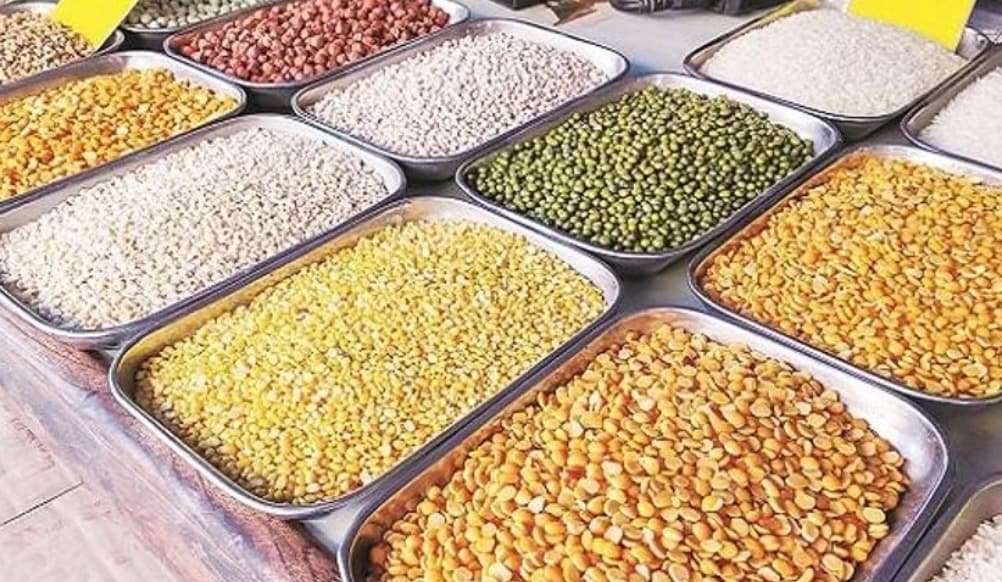
Food inflation has already been a recurring concern in India, with consumers feeling pressure from rising prices of vegetables, pulses, edible oils and staples. Now fertiliser-linked commodities such as ammonia and DAP face supply risks tied to Gulf routes. Since fertilisers are critical for farm productivity, higher costs can eventually filter into retail food prices. Families already stretching grocery budgets may see little relief if farm input prices stay high. What begins in commodity markets often ends at the neighbourhood kirana bill.

Phones, laptops and appliances are already expensive purchases for most households, often delayed until festive sales or EMI offers. But these products rely on semiconductors, plastics and industrial gases like helium used in chipmaking. Any disruption in these global supply chains can keep prices firm or delay discounts. Consumers hoping for cheaper upgrades may find premium devices staying expensive for longer. In a market where gadgets are now essentials for work and study, pricing pressure matters far beyond luxury spending.

Buying a home or car is already a stretch for many Indian families, with EMIs, interest rates and raw material costs weighing heavily. Aluminium, petrochemicals and plastics — all linked to Gulf supply chains — are widely used in vehicles, buildings and infrastructure. If these materials remain expensive, manufacturers and builders may pass costs onward. That can mean pricier cars, higher apartment rates, and more expensive renovation work. For households planning big-ticket purchases, already steep costs may stay stubbornly high.
News Photogallery india Iran War Impact: 5 Things Already Costly In India That Could Get Hit Even More







 English (US) ·