

 1 hour ago
6
1 hour ago
6
ARTICLE AD BOX
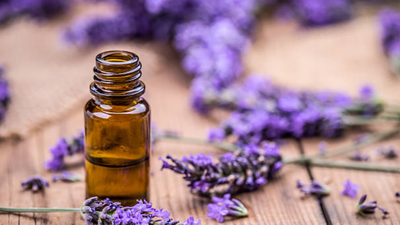
Aromatherapy is the healing practice of using natural plant extracts, ie. essential oils, for the purpose of overall well-being and is now becoming common in use for Indian households.
Many Indian parents use different essential oils for different purposes. Lavender, chamomile and sandalwood oils are all considered to be safe with a carrier oil. But, aromatherapy is certainly not safe for all children. Strong peppermint, eucalyptus, and rosemary oils are detrimental, especially for children under six years.Essential oils can be therapeutic, but because they are a plant extract (essential oils are highly concentrated) they can also be very potent and should be approached with caution.
This is especially true for children and babies, because they are more sensitive and can be more affected by an oil’s potency.
Is aromatherapy safe for kids?
From a safety standpoint, wellness professionals say that aromatherapy can be okay for children aged 2 and over, but should be done in moderation. It is also advisable not to use aromatherapy for infants unless done so with the advice and assistance of a professional. Still, there are certain oils that are relatively safe for children when used in small, diluted amounts, such as lavender, chamomile and sandalwood.
However, not all essential oils are okay to use for children. For children, and especially for children under 6, it’s advisable to avoid strong oils which for example include, but are not limited to, peppermint, eucalyptus, and rosemary, because they can cause an adverse reaction to breathing and can cause irritable distresses.
Do’s of using aromatherapy for children
Aromatherapy is known for a good number of rules, but one of the most emphasized rules of all is dilution.
Essential oils should NEVER be applied directly to the skin, especially of a child, so this means that essential oils should be mixed with a carrier oil (coconut or almond oil) and are not to be used in a high concentration. Many professionals use highly diluted recommendations of 1 drop of essential oil for every 1 tablespoon of carrier oil.None of the methods used to introduce aromatherapy to children involve direct skin contact, making diffusers one of the safer options.
However, to promote skin safety while using diffusers, good ventilation and a maximum diffusing time of 30-60 minutes should be used.Patch tests are also recommended when using essential oils, so for children, a skin test should be done with the oil before use.Lastly, be sure to use oils from trustworthy companies that provide all-natural and pure essential oils. These should be of a safer quality than synthetic oils.
Things for parents to not do
Parents should make children use the oils away from the eyes, nose, and mouth, as there are suffocation and burning risks from the misuse and the oils.All children should be kept away from using essential oils in small amounts, as there are legitimate risks and the oils are toxic if the oils are ingested.Children should not be in aromatherapy as the chance of having something bad happen and the health risks are considerably increased.
When to be more careful
Check with a pediatrician before commencing aromatherapy, especially in the case of children with asthma, skin sensitivities and allergies. Strong scents can trigger allergies.In summary, because of the detrimental things that can happen from the misuse of aromatherapy, it is important that they are used with great care. Essential oils do have many benefits, but only when they are used safely with children.(Author: Ridhima Kansal, Director, Rosemoore)








 English (US) ·