

 1 hour ago
3
1 hour ago
3
ARTICLE AD BOX
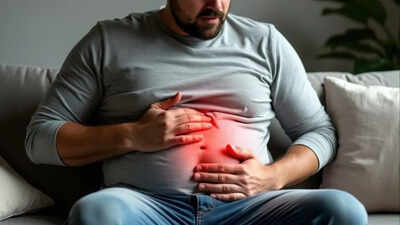
Doing This After Dinner? It Could Be Causing Digestive Chaos
It starts innocently - a long day, a late dinner, maybe a little scrolling, a little stress and then the craving hits, leading to snacking on chips, ice cream, leftovers or something quick before bed.
It feels harmless, even deserved but science is now pointing to a different reality: that late-night snacking, especially when paired with stress, may be quietly disrupting your gut in ways that go far beyond a simple stomach ache and the damage might already be happening.
The “double hit” you didn’t see coming after late-night snacking
A new research recently presented at Digestive Disease Week 2026 revealed something surprisingly simple and deeply concerning: it is not just what you eat but when you eat it. According to the study, people who are already under chronic stress and consume a large portion of their daily calories late at night face a “double hit” to gut health.The findings are based on data from over 11,000 individuals and show that those with high stress levels who eat after 9 pm are 1.7 times more likely to experience digestive issues like constipation and diarrhoea. That is not a small effect, that is a pattern and it gets worse.Another dataset of more than 4,000 people found that the combination of stress and late-night eating increased the likelihood of bowel problems by 2.5 times, along with a measurable drop in gut microbiome diversity.
In simple terms, your gut becomes less stable, less resilient and more prone to dysfunction.
Your gut has a clock and you are breaking it
For years, nutrition advice focused on what to eat: fewer processed foods, more fiber, balanced meals but a new field - chrononutrition - is shifting that conversation. Your body does not just process food. It processes food on a schedule.

Late Night Snacking and Stress: The Gut Health 'Double Hit' Revealed (Representative image: iStock)
Your gut microbiome, the trillions of bacteria living inside you, operates on a circadian rhythm, much like your sleep-wake cycle.
Eating late at night means that you are basically making your digestion system to operate while it would normally be resting.Studies indicate that changes in this rhythm can result in gut microbiota imbalance (dysbiosis) and may also have an impact on sleep and metabolic health. Therefore, that midnight snack is more than just extra calories; it is a physiological mismatch.
Stress makes everything worse
Now add stress to the equation. Stress does not just affect your mind, it directly alters your gut.
Scientists have long known that chronic stress can speed up or slow down digestion, trigger inflammation and alter gut bacteria.The gut-brain axis (a two-way communication system that connects the brain, hormones and digestive system) is the reason for this. When a person experiences stress, the body goes into a heightened state of alert. Hormones like cortisol rise. Blood flow shifts. Digestion becomes less efficient.Now combine that with late-night eating and you get a compounding effect. As one researcher put it, “When we’re already under stress, that timing may deliver a ‘double hit’ to gut health.”
The microbiome factor: Why diversity matters
Your gut is not just an organ, it is an ecosystem and like any ecosystem, diversity is key. A healthy gut microbiome helps digest food, regulates immunity, produces essential nutrients and influences mood and brain function but the new research found that people who eat late at night while stressed have significantly lower microbiome diversity.
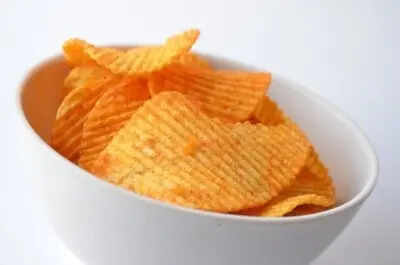
Your Midnight Snacks Are Destroying Your Gut: Science Confirms The Devastating Truth
That is a problem. Lower diversity is linked to digestive disorders, weakened immunity, increased inflammation and even long-term disease risk. In fact, emerging research suggests that gut microbiome changes may play a role in conditions as serious as neurological disorders.Scientists are increasingly discovering that gut bacteria don’t just influence digestion, they may also affect brain health, disease risk and long-term wellbeing.
Why late-night eating feels so hard to avoid
If late-night snacking is so harmful, why do so many people do it? This is because it is not only about being hungry but also about using food as a stress reliever, emotionally coping, having irregular schedules and getting sleep disrupted.Research shows that stress can actually change eating behaviour, pushing people towards high-fat, high-sugar foods and irregular meal timing. In other words, your body is not just reacting to stress, it is reshaping your habits in response to it.
That late-night snack is not random, it is part of a pattern.This research is part of a larger shift in health science. For decades, we have focused on calories, nutrients and food groups. Now, scientists are asking a new question: when should we eat? This is because timing affects metabolism, hormones, gut bacteria and sleep cycles.
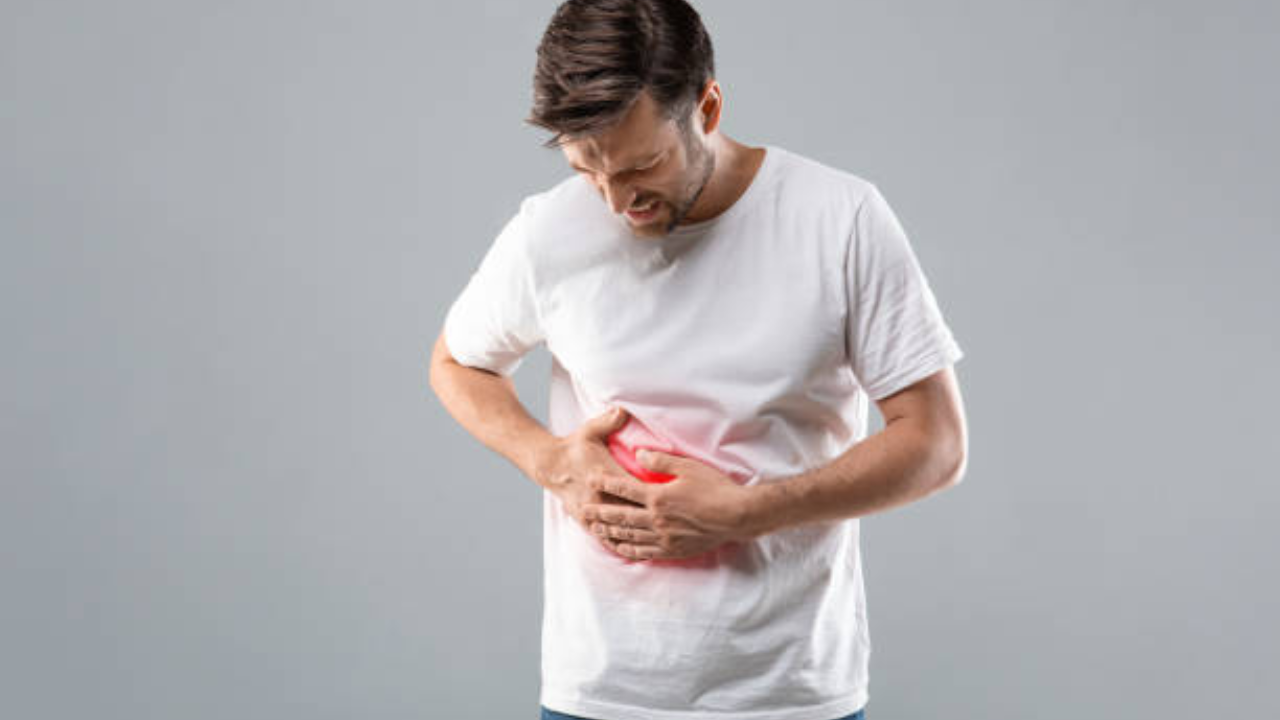
Is Your Late-Night Snacking Secretly Harming Your Gut Health?
This is why two people eating the same diet can experience completely different health outcomes.
One eats earlier while one eats late and their bodies respond differently.
So, is late-night snacking always bad?
Not necessarily. The research is clear on one thing: this is about patterns, not occasional behaviour. A late-night dessert once in a while is probably fine but regularly consuming a large portion of your daily calories late at night, especially under stress, is where the risk builds and because the effects are gradual, they often go unnoticed until symptoms appear.These symptoms include bloating, irregular bowel movements, fatigue and poor sleep. You don’t need to completely overhaul your life to protect your gut. Small changes can make a meaningful difference. So, try to finish meals earlier in the evening, avoid heavy and high-calorie foods close to bedtime, maintain consistent meal timings, manage stress through simple routines (walks, breathing, sleep hygiene) and focus on gut-friendly foods during the day.As the study’s lead researcher put it, you don’t have to stop enjoying your favourite foods - just shift when you eat them.Note: The information provided in this article is for educational purposes only and is not intended as medical advice. Always consult with a qualified healthcare professional before starting any new medication or treatment and before changing your diet or supplement regimen.









 English (US) ·