

 1 week ago
11
1 week ago
11
ARTICLE AD BOX
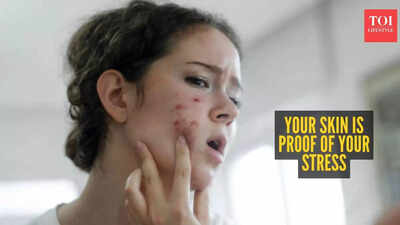
Your skin might be signaling stress long before you feel it. Dermatologists explain that elevated cortisol levels weaken the skin's defenses, leading to issues like acne, eczema, and psoriasis. Early signs such as dullness, dryness, or itchiness are often overlooked. Managing stress is crucial for effective skin treatment, as it directly impacts healing and overall skin health.
Yes. And often weeks before you connect the two.This is the part that many people miss out on. When you get a skin flare from stress, the body has already been triggered in the past. The skin takes time to react and show what happened.
Dr. Dhanraj Chavan, Dermatologist, ClearSkin Clinics, Pune explains more on the relationship between stress and skin.
Why Stress Targets the Skin
The skin does not just sit there. It has its own immunity that helps fight off trouble. It has nerve endings and it can communicate straight with the brain with something called the brain-skin axis. When the body feels stress and the cortisol level goes up, the skin does not work at the optimal levels.
It lets irritants through more easily, react more, and take more time to fix itself. That is why the skin can look worse when you get stressed, for example during exams, hard days at work, or when there is trouble at home.
The Glass Skin Trap: When Tweens Get Caught Up In K-Beauty Craze | I Witness TAKE AFTER 8

Cortisol makes the skin create more oil. So, if you already get acne, stress doesn’t just lead to new spots. It also makes it tougher for old breakouts to go away.
The Early Signs Most People Dismiss
I find it is interesting how clear the early signs are. People often think they are caused by something else.
You might see your skin look dull, like it lost its glow, even if you got a lot of sleep. There can be dry spots on parts of your face or body that do not feel dry most of the time. Sometimes, your skin may feel sore after using products that used to be fine for you. You may feel itchy for no known reason.
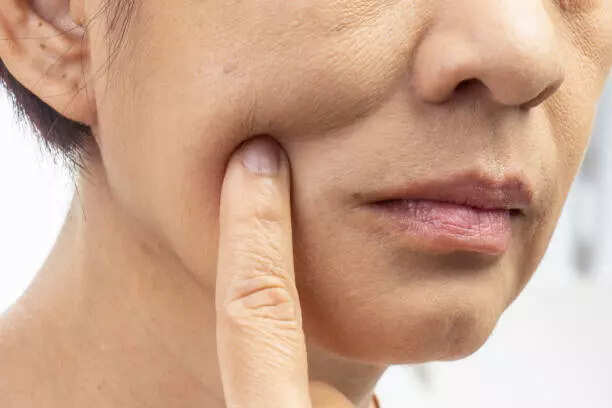
These are not random symptoms. The skin reacts to stress in the first stage. A lot of people grab a new cream or think the weather is the cause.
When there is a breakout or redness, they forget about the three weeks of stress before it.
Conditions That Have a Documented Stress Link
Acne, psoriasis, eczema, rosacea, and seborrheic dermatitis are all linked to mental stress. This is not just a guess. These reasons are well documented. Stress can cause changes in the body that lead to these skin problems. For people with psoriasis, I have seen breakouts that match life events so closely that the skin seems to act like a diary.
Stress makes healing go slower. Small cuts, spots from acne, and dark marks left after inflammation take more time to get better if you are stressed for a long time.
This can make people feel upset. You may do everything you should for your skin, but still not see it heal the way you want.
What This Actually Means for Treatment
Treating the skin by itself may not fix the whole problem. If someone comes to me again and again with skin issues that do not get better with normal treatment, I try to look at what is going on in their life away from the clinic."Skin shows the truth. Patients may say they feel fine, but their skin often tells another story. Stress can show up on your skin before you feel it inside," says Dr. Chavan. Managing stress is not just a simple suggestion. For some patients, it is the missing part in their treatment plan.







 English (US) ·