

 1 hour ago
6
1 hour ago
6
ARTICLE AD BOX
Last Updated:April 22, 2026, 21:26 IST
The Iran conflict has revived comparisons with Suez, raising questions about whether American power is facing a defining test in Hormuz.


Anglo-French troops during the 1956 Suez Crisis at Port Fouad near Port Said (left, right), with a file image of US President Donald Trump, as comparisons emerge with tensions around the Strait of Hormuz. (IMAGES: AFP/REUTERS)
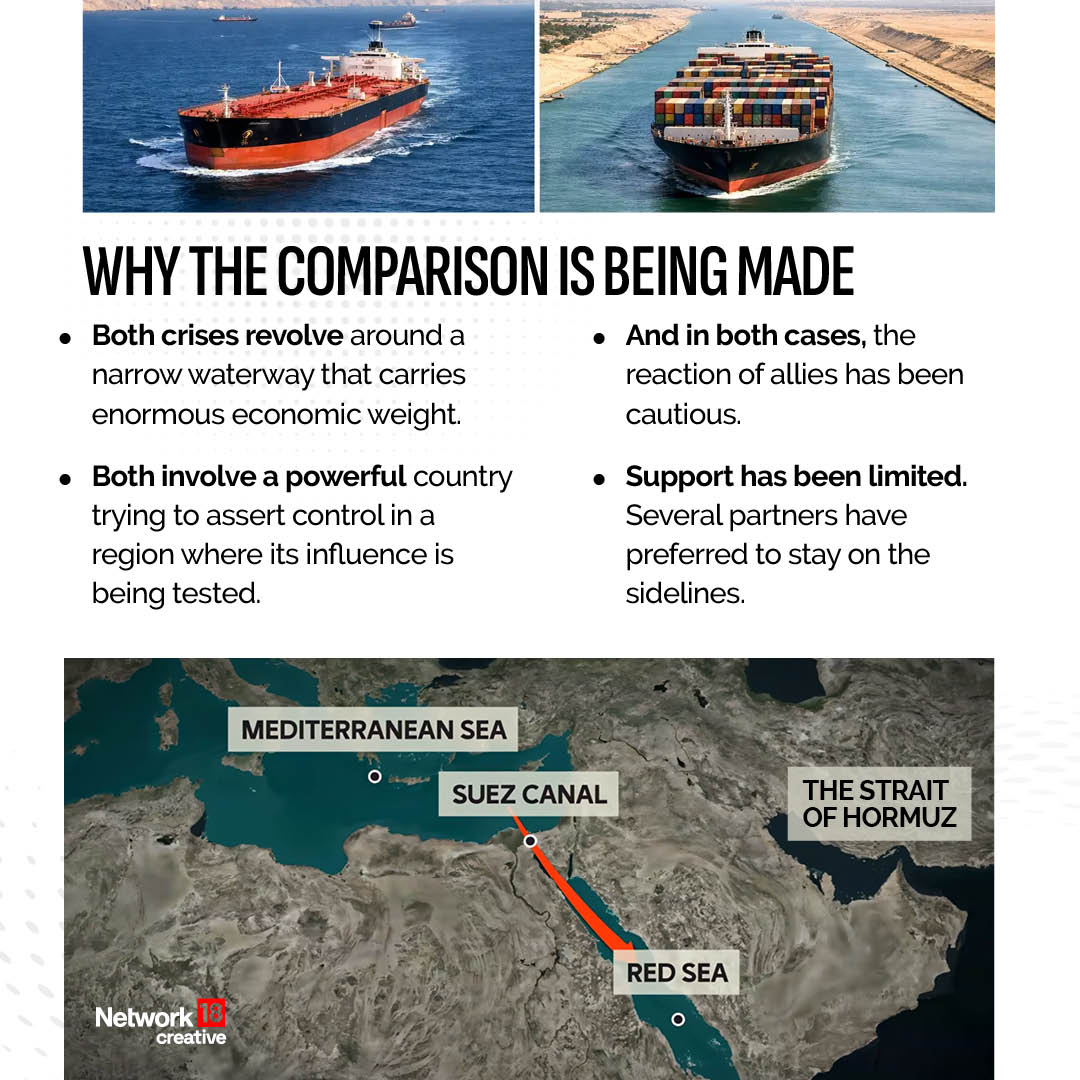
Nearly seventy years after the Suez Crisis, the US-Israel war with Iran has revived an old question about power and its limits. Both conflicts centre on a narrow waterway with outsized global importance. Both involve a major power trying to assert control in a region where its influence is being tested.
And in both cases, allies have responded cautiously. Support has been limited, with several partners choosing to stay on the sidelines.
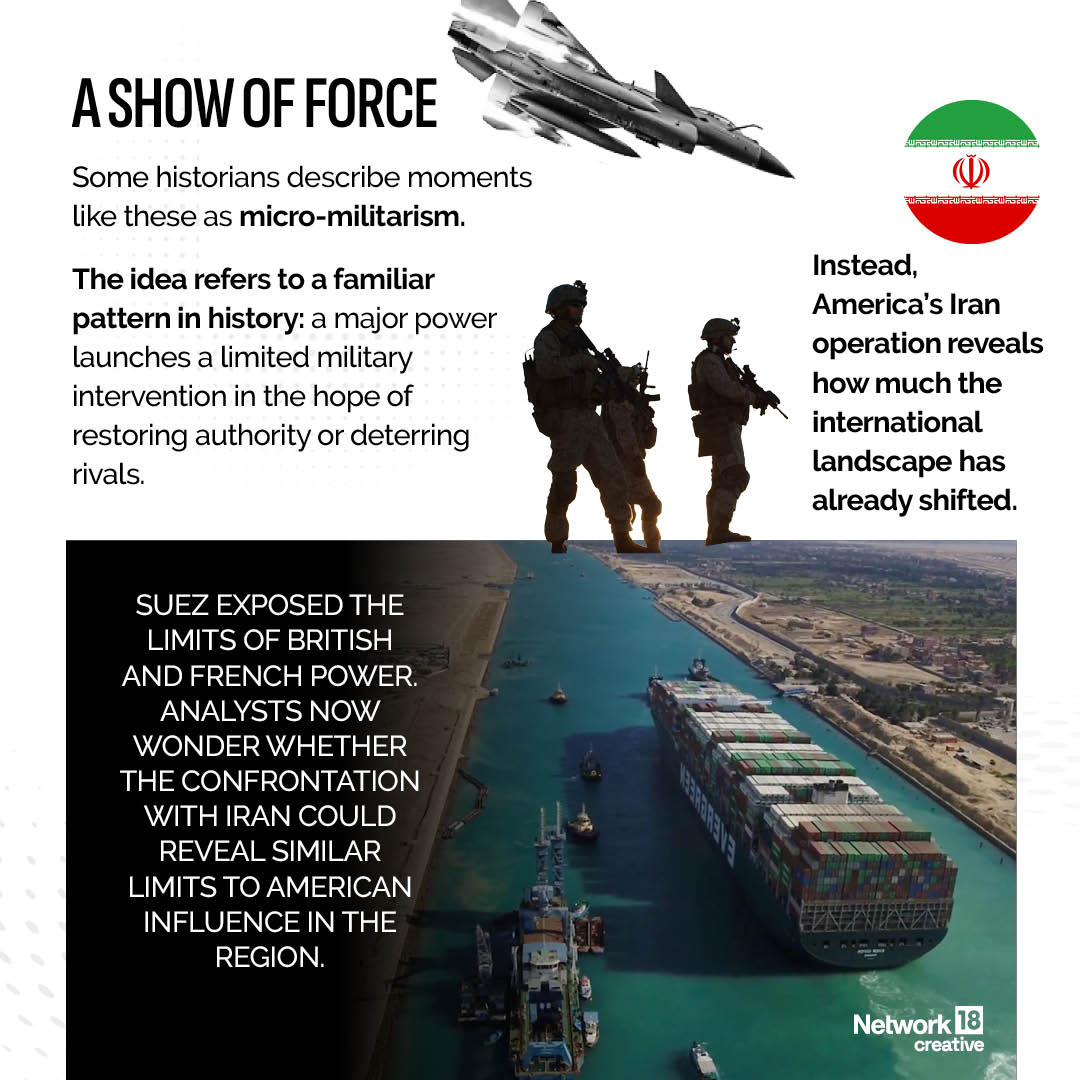
Suez exposed the limits of British and French power. Analysts now wonder whether the confrontation with Iran could reveal similar limits to American influence in the region.
SUEZ: A WAR THAT SEEMED WON
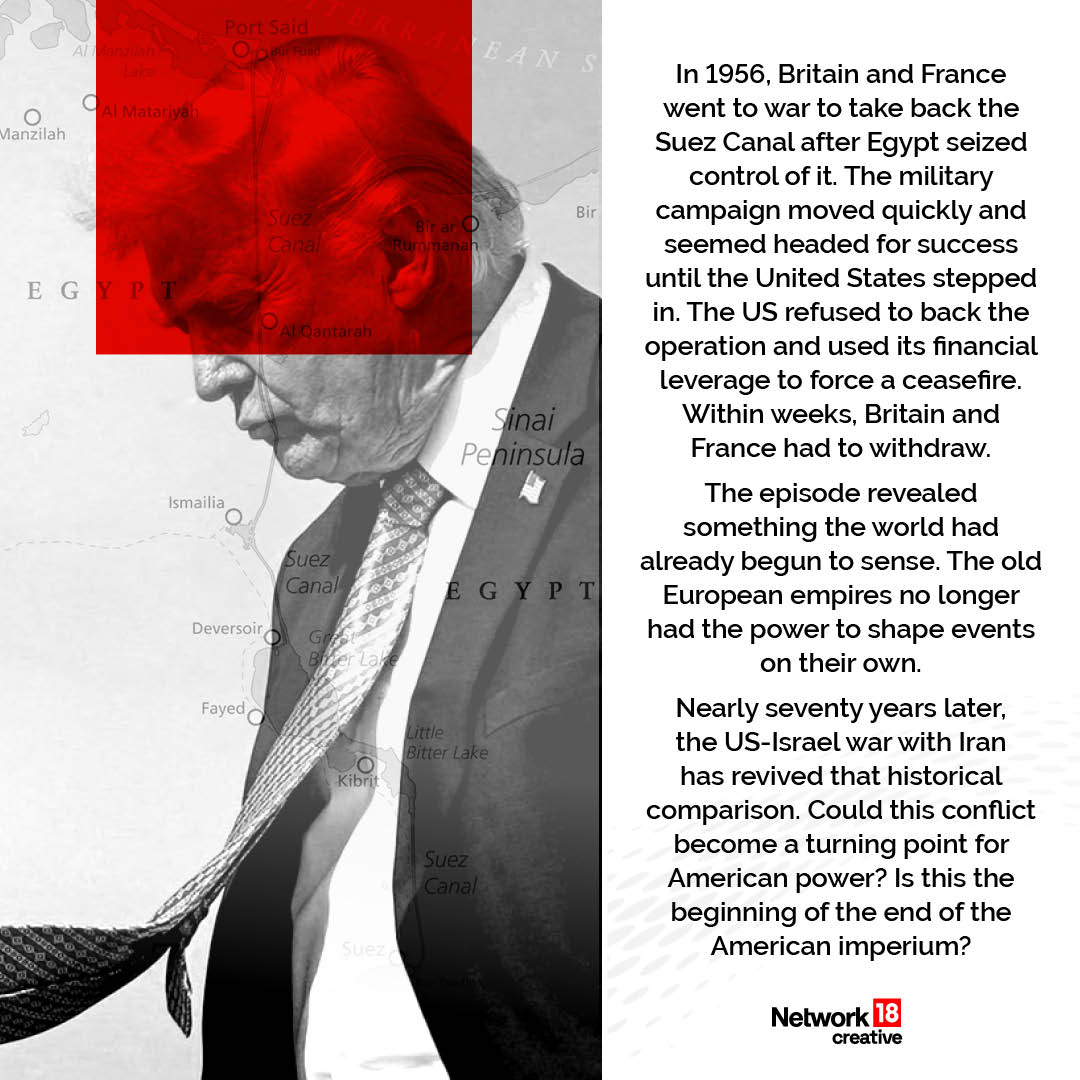
In 1956, Britain and France went to war to take back the Suez Canal after Egypt seized control of it. The military campaign moved quickly and appeared headed for success — until the United States intervened.
A FORCED WITHDRAWAL
Within weeks, Britain and France were forced to pull back.
The episode confirmed what many had already begun to sense — the old European empires could no longer shape events on their own.
EGYPT SEIZES THE CANAL
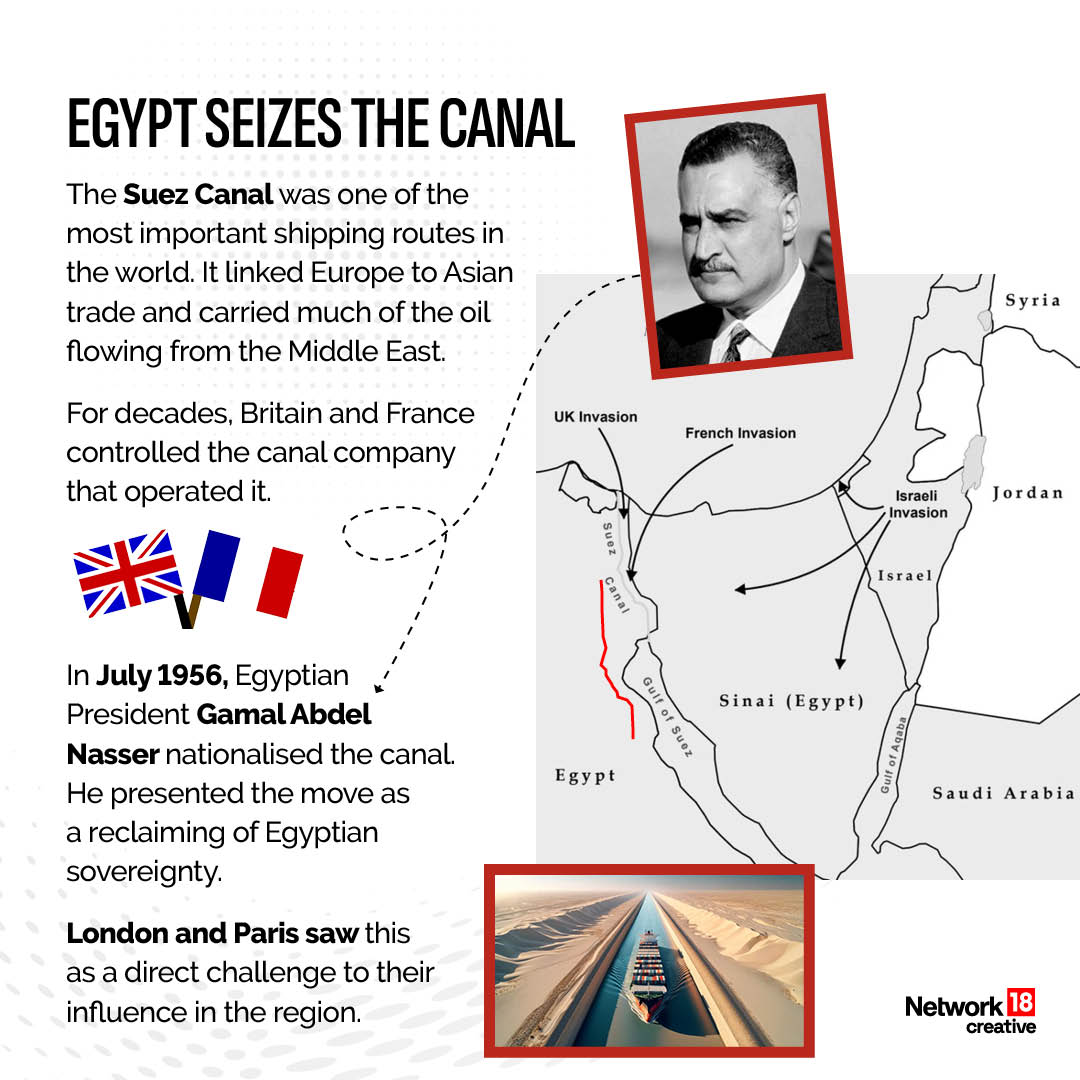
The Suez Canal was one of the world’s most critical trade routes, linking Europe to Asia and carrying large volumes of oil from West Asia.
In July 1956, Egyptian President Gamal Abdel Nasser nationalised the canal, framing it as an assertion of sovereignty.
A DIRECT CHALLENGE

For London and Paris, the move was a direct challenge to their influence in the region and their control over a vital economic artery.
A SECRET WAR PLAN
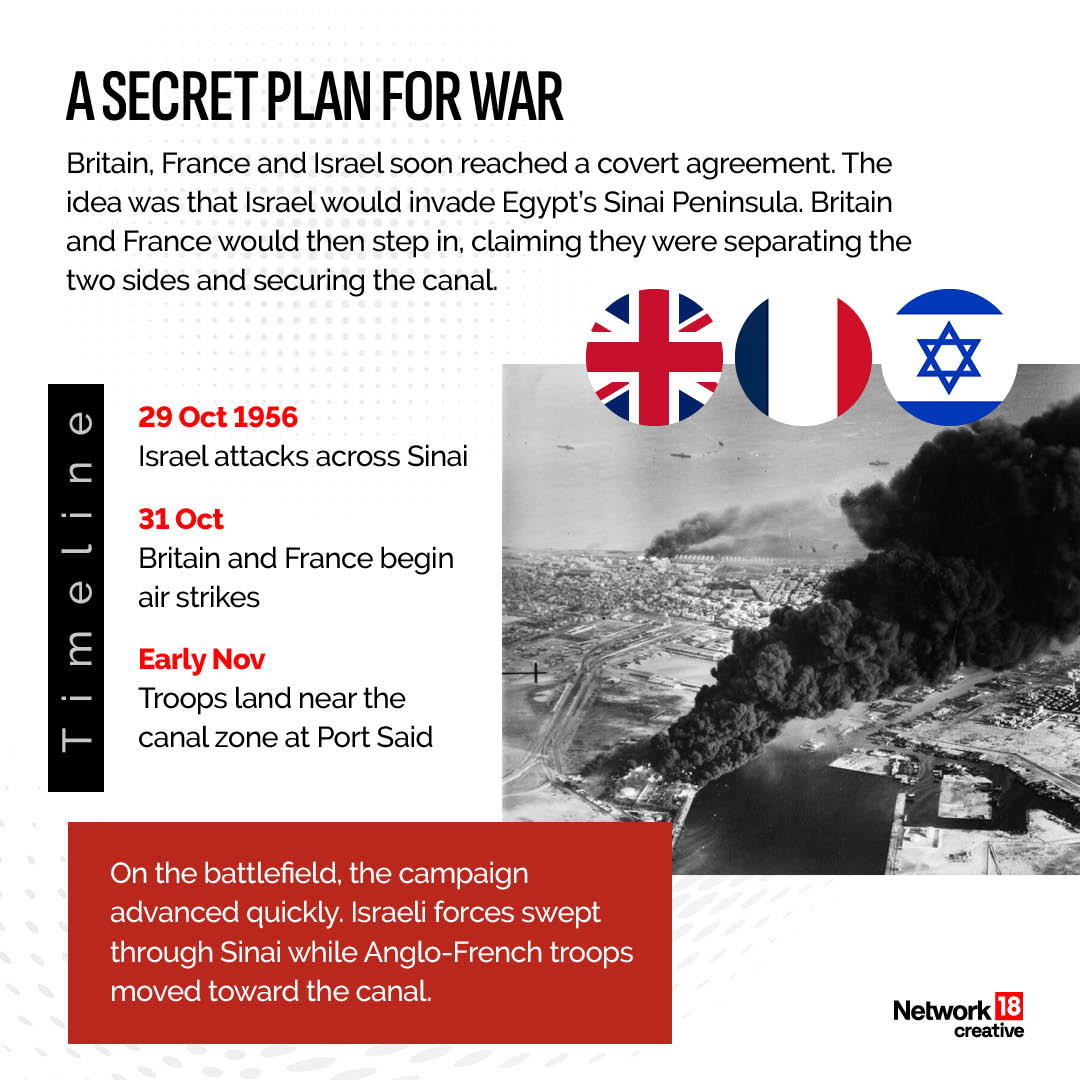
Britain, France and Israel soon reached a covert agreement. Israel would invade Egypt’s Sinai Peninsula, giving Britain and France a pretext to intervene and “secure" the canal.
On the ground, the plan initially worked. Israeli forces advanced rapidly, while Anglo-French troops moved toward the canal.
PRESSURE FROM WASHINGTON
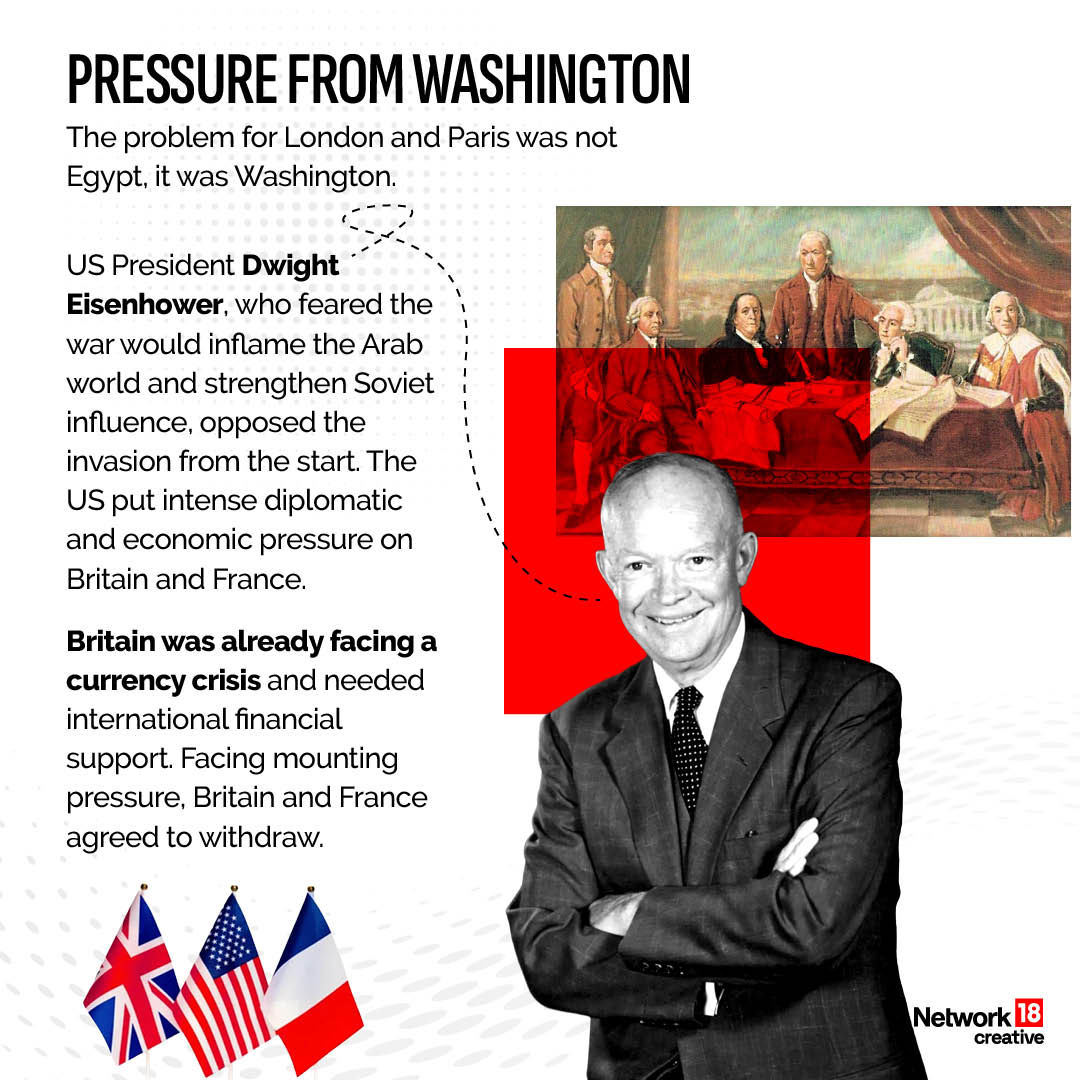
The turning point came from Washington as US President Dwight Eisenhower opposed the invasion, fearing it would destabilise the region and strengthen Soviet influence. The US applied intense diplomatic and financial pressure.
Facing a currency crisis and mounting isolation, Britain and France agreed to withdraw.
THE END OF IMPERIAL ILLUSIONS
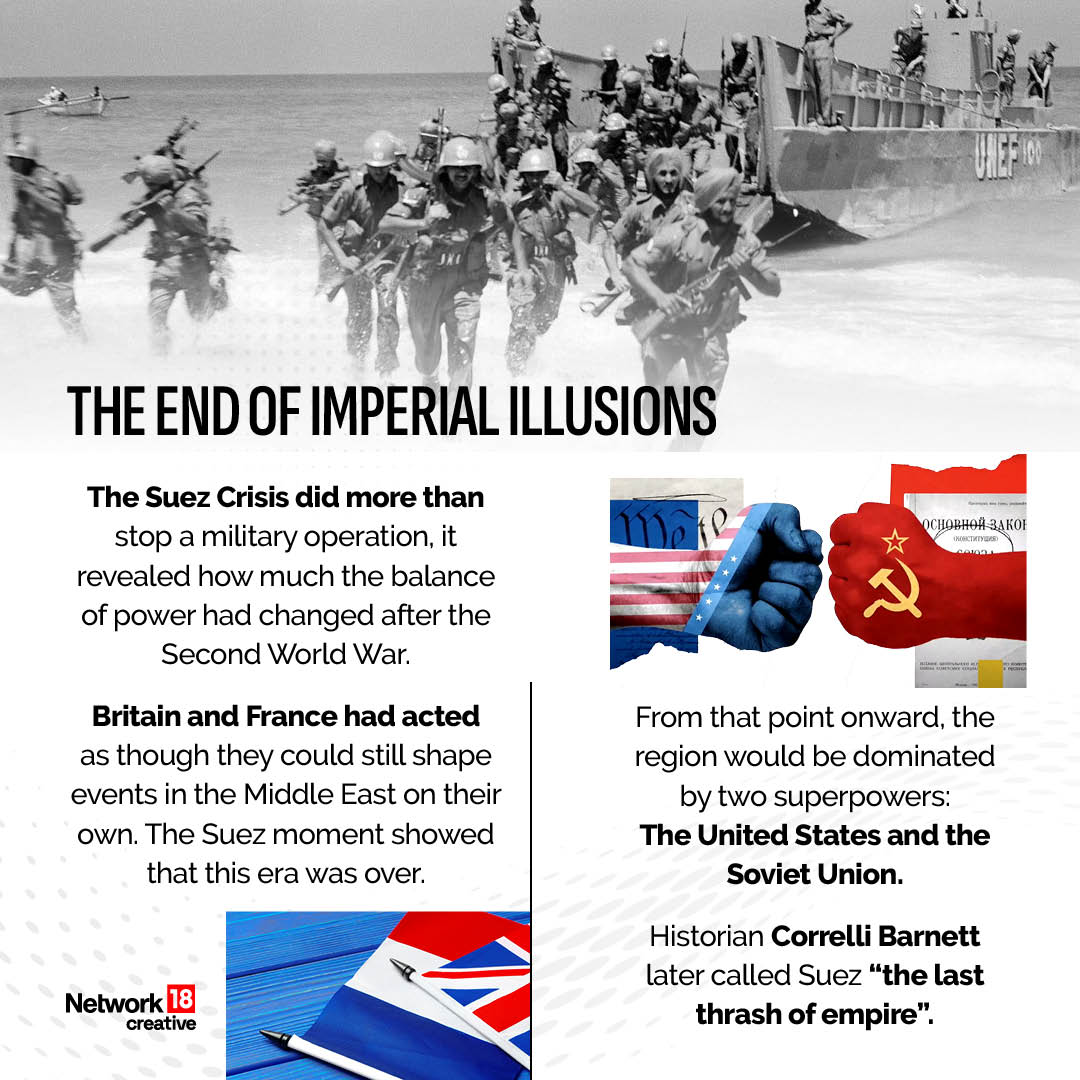
Suez marked more than a failed military operation. It exposed a fundamental shift in global power after the Second World War.
Britain and France could no longer act independently in the Middle East. From this point on, the region would be shaped by superpower rivalry between the United States and the Soviet Union.
Historian Correlli Barnett later described Suez as “the last thrash of empire".
ENERGY LIFELINE: THE HORMUZ CHOKEPOINT
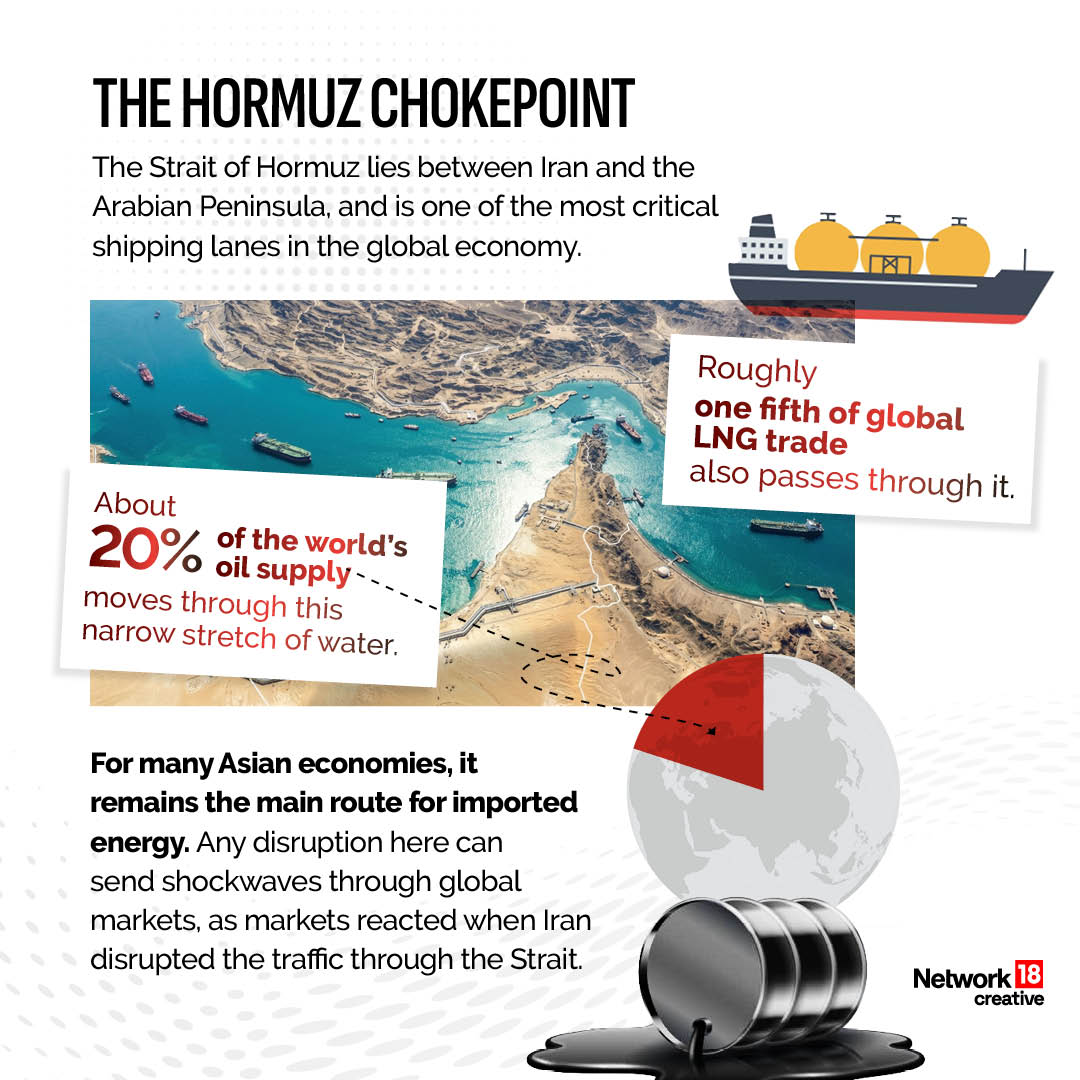
The Strait of Hormuz, between Iran and the Arabian Peninsula, is one of the most critical shipping lanes in the global economy.
Roughly one-fifth of global LNG trade passes through the strait.
OIL FLOW
About 20 percent of the world’s oil supply moves through this narrow corridor.
GLOBAL IMPACT
For many Asian economies, Hormuz is the main route for energy imports.
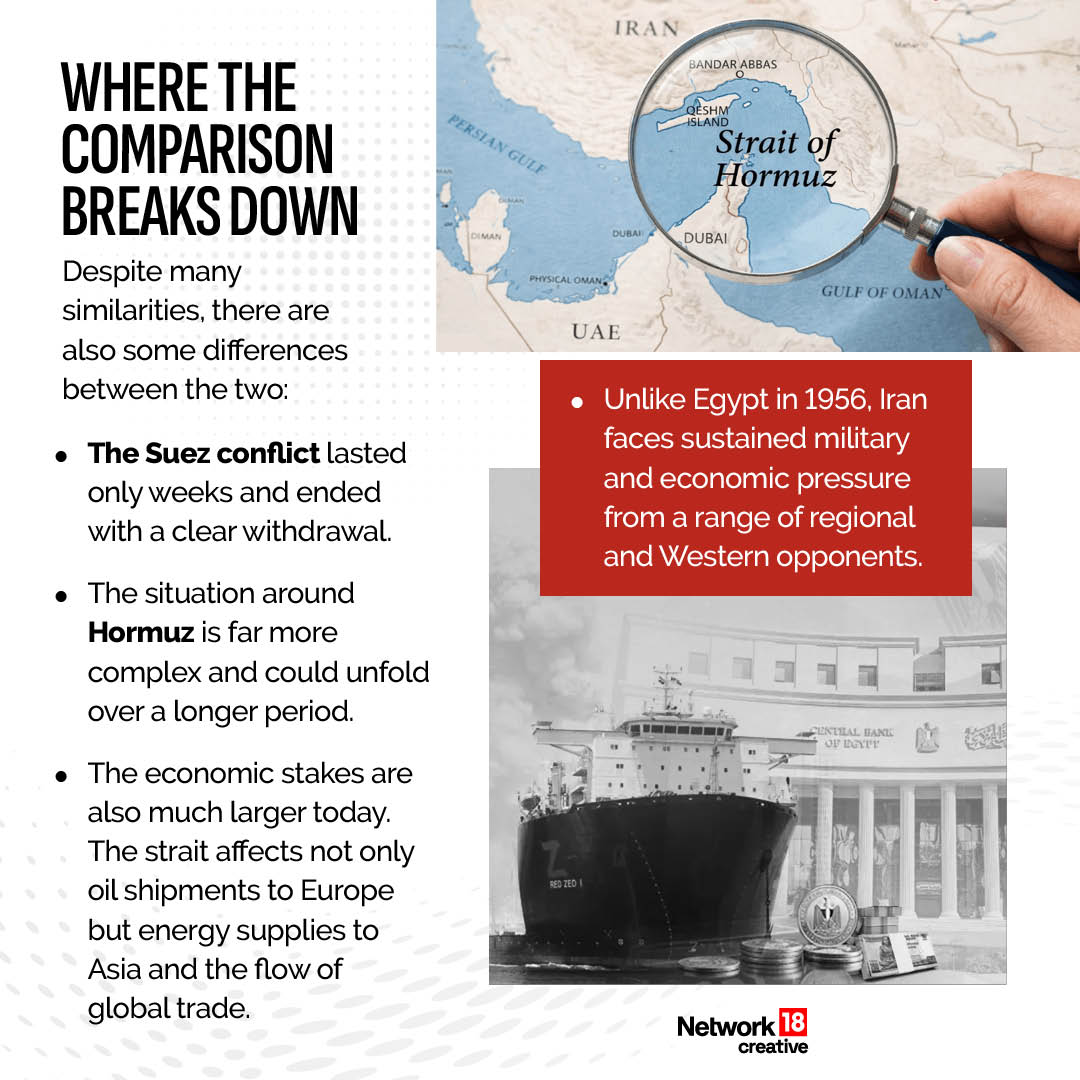
Any disruption here can trigger immediate shocks in global markets — as seen when Iran disrupted traffic through the strait.
WHERE THE COMPARISON BREAKS DOWN
Despite the parallels, key differences remain.
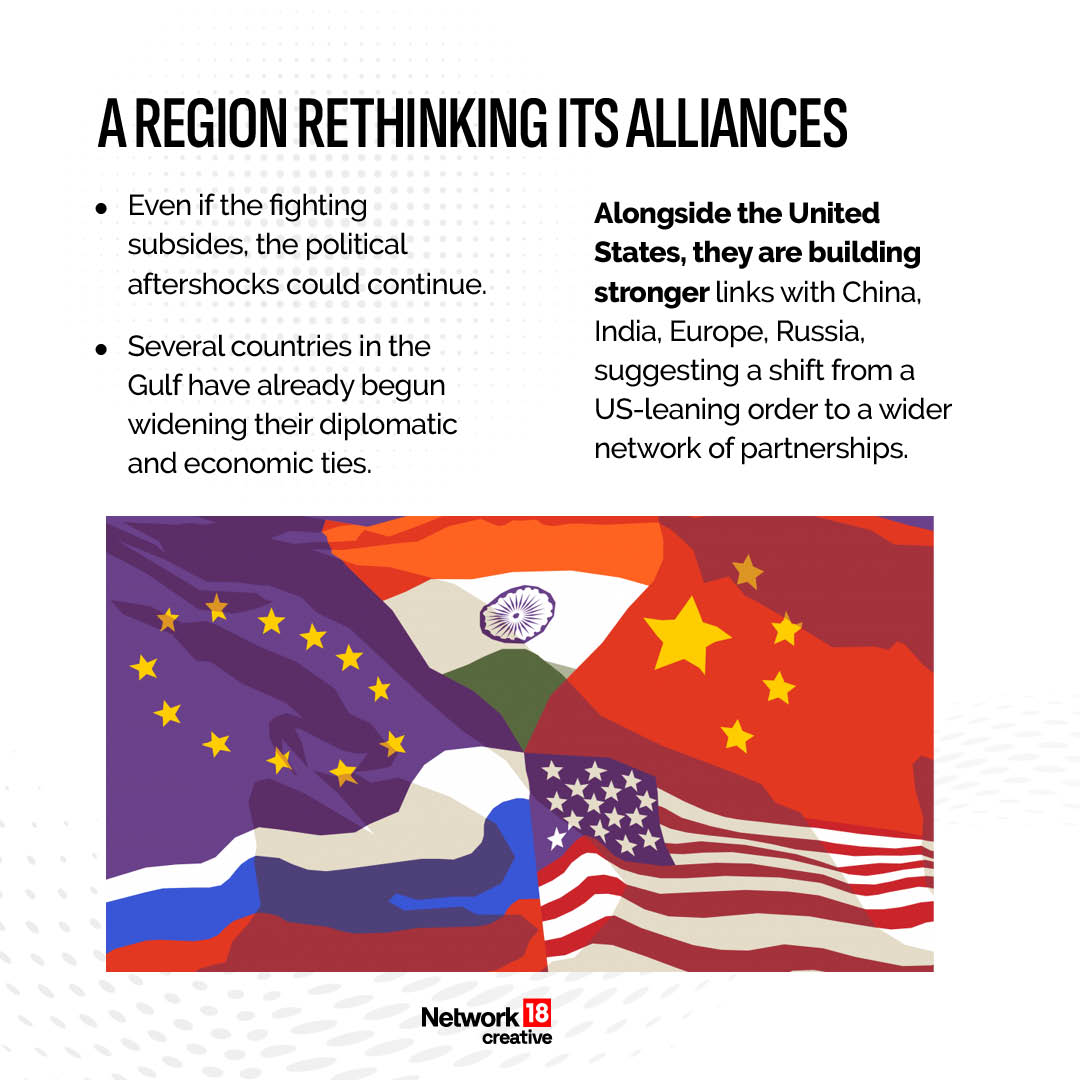
The Suez conflict lasted only weeks and ended under economic pressure. The current crisis has the potential to stretch over a longer period.
DIFFERENT ACTORS, DIFFERENT STAKES
Unlike Egypt in 1956, Iran is a more entrenched regional power, with deeper military and strategic reach.
HIGHER GLOBAL COST
The stakes today are significantly higher. Hormuz affects not just oil flows to Europe but energy supplies to Asia and the broader global economy.
Handpicked stories, in your inbox
A newsletter with the best of our journalism
First Published:
April 22, 2026, 21:26 IST
News world Is The Iran War America’s Suez Moment? What History Tells Us
Disclaimer: Comments reflect users’ views, not News18’s. Please keep discussions respectful and constructive. Abusive, defamatory, or illegal comments will be removed. News18 may disable any comment at its discretion. By posting, you agree to our Terms of Use and Privacy Policy.
Read More





 English (US) ·