

 12 hours ago
7
12 hours ago
7
ARTICLE AD BOX
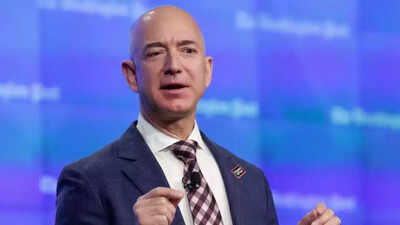
Jeff Bezos once offered investors the chance to own 1% of Amazon for just $50,000, but many weren't convinced the fledgling online bookstore had a future. While around 20 investors eventually backed the company, about 40 turned down the opportunity despite multiple meetings.
At the time, the internet itself was still unfamiliar to much of the public, making Amazon a risky proposition. Today, with Amazon valued at roughly $2.5 trillion, that hypothetical 1% stake would be worth around $25 billion, making it one of the most remarkable missed investment opportunities in modern business history.
Jeff Bezos pitched 60 investors before securing funding
Speaking at The New York Times DealBook Summit in 2024, Bezos recalled how difficult it was to raise Amazon's initial funding.
He said he met around 60 potential investors while seeking $1 million to help grow the fledgling company. Of those, only about 20 to 22 agreed to invest, while roughly 40 declined after multiple meetings.Bezos described the fundraising process as the hardest challenge he had faced up to that point. The rejections were not quick dismissals but came after lengthy discussions, follow-up conversations and repeated efforts to persuade investors that Amazon had long-term potential.
The scepticism surrounding Amazon was understandable. In 1995, online shopping was almost unheard of, and many people were still unfamiliar with the internet itself. Bezos said one of the most common questions he received from investors was simply, "What's the internet?"Rather than overselling his idea, Bezos was candid about the risks involved. He told potential investors there was a 70% chance they could lose their entire investment because the company might fail.
Looking back, he later admitted that estimate may actually have been too optimistic.
The $50,000 investment that could have become $25 billion
Amazon has since grown from an online bookstore into one of the world's largest technology companies, with businesses spanning e-commerce, cloud computing, digital advertising, streaming services and artificial intelligence. Today, the company is valued at roughly $2.5 trillion.At that valuation, a hypothetical 1% ownership stake would be worth around $25 billion.
In reality, early investors would likely have seen their holdings diluted through later fundraising rounds and stock issuances, but the figure illustrates the extraordinary growth Amazon achieved over the past three decades.
Bezos says persistence mattered more than certainty
Reflecting on those early years, Bezos said the repeated rejections never stopped him from pursuing his vision. He emphasised that building Amazon required persistence rather than certainty, especially when there was no guarantee the business would survive.His experience highlights a common challenge faced by entrepreneurs: convincing others to believe in an idea before there is any proof it will succeed. Amazon's journey from an unknown start-up to a global technology giant remains one of the most remarkable examples of long-term value creation.
Bezos continues to bet on emerging technologies
Even after stepping down as Amazon's chief executive, Bezos continues to invest heavily in technologies he believes will shape the future.
During the same DealBook Summit interview, he said robotics is one of the sectors that excites him the most.He believes advances in robotics and artificial intelligence could transform industries ranging from manufacturing to hospitality, helping businesses improve efficiency and address labour shortages. Bezos said he feels fortunate to be living during a period of rapid technological progress and remains optimistic about the innovations still to come.
A reminder that today's risky idea could become tomorrow's giant
The story of Amazon's early fundraising serves as a reminder that transformative companies often appear uncertain in their earliest days. The investors who declined Bezos' offer were making what seemed like sensible decisions based on the information available at the time.While hindsight makes the missed opportunity appear obvious, the episode underscores an enduring lesson for entrepreneurs and investors alike: breakthrough ideas rarely look like guaranteed successes when they first emerge. Sometimes, the biggest opportunities are the ones that seem the hardest to believe.





 English (US) ·